



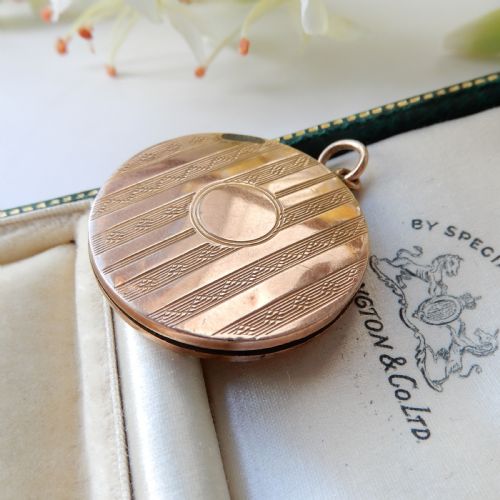


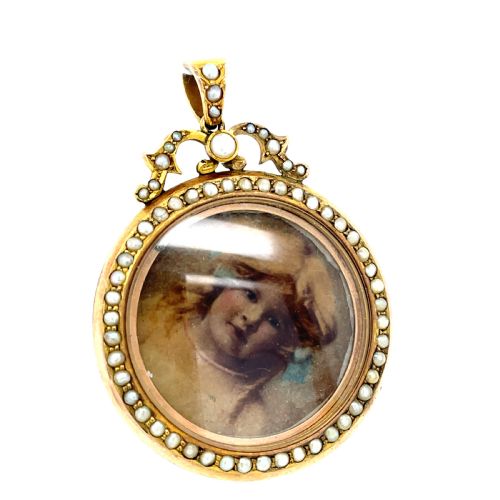


Vintage Picture Pendant
These vintage picture pendant pieces are wearable miniature portraits and keepsakes set in precious metals, offering a tangible connection to past lives.
Vintage Picture Pendant
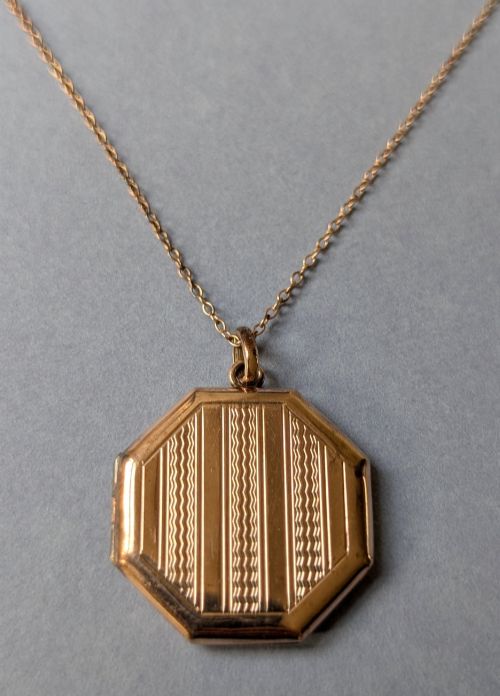
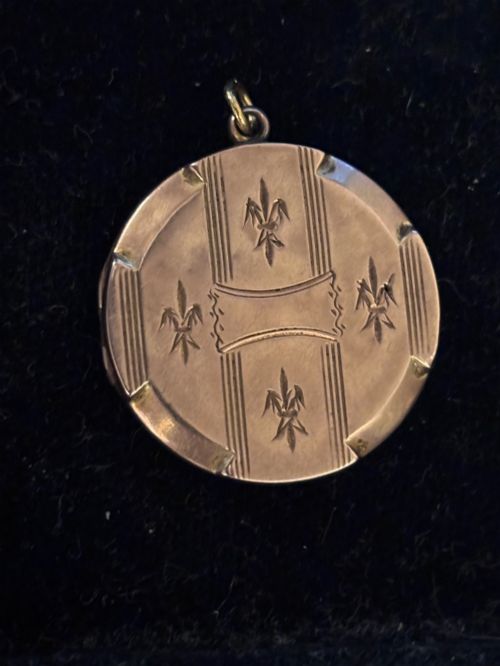
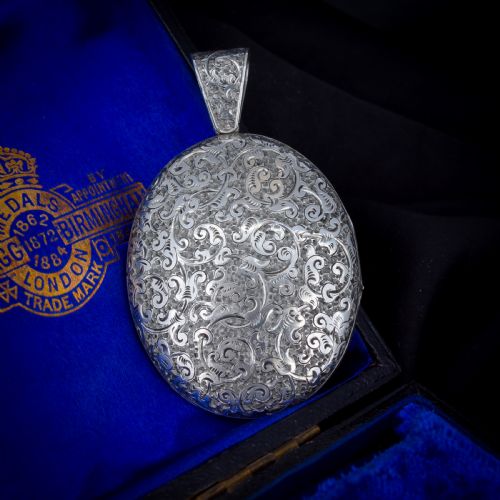
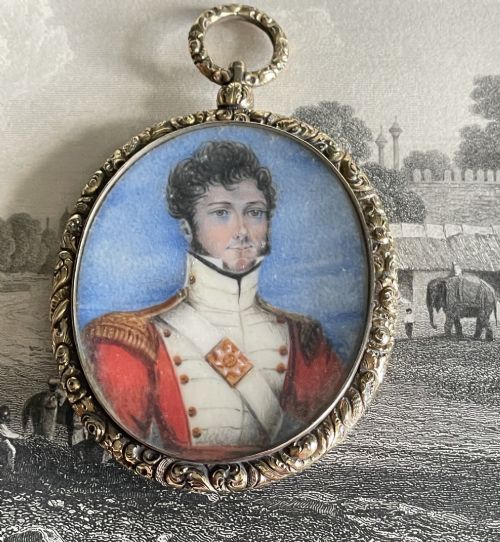
When you search for vintage picture pendant examples, you encounter wearable keepsakes that open to reveal photographs, miniature portraits or hair mementos. These pieces take forms such as lockets, portrait miniatures and photo pendants, often suspended from matching chains.
Makers utilised various formats, from simple single-photo frames to elaborate multi-compartment designs capable of holding four family portraits. These items bridge jewellery and personal archive, serving both decorative and sentimental functions.
How they were made
Craftsmen built these items using metals like nine-karat and eighteen-karat yellow gold, sterling silver, rolled gold, and gilt metal. Many gold examples employ a back and front construction where precious metal plates enclose a base metal core for structural rigidity.
Surface decoration relies on hand engraving, filigree wirework, and repoussé techniques to render floral motifs, swallows, and geometric patterns. Gemstones such as turquoise, pearls, and emeralds appear flush-set or mounted as accents around the central glazing.
Glass covers the photographic portraits or miniature paintings, held securely within bezels to protect the paper or ivory beneath. Hinged closures and tiny clasp mechanisms allow the compartments to open and shut precisely.
Vintage Picture Pendant Retail Price Guide 2026
Typical asking prices for vintage picture pendant among the pieces listed under this phrase on Sellingantiques today, from the lower quarter to the upper quarter. They describe what is for sale here now, not the wider market.
What varies in quality
The depth and crispness of hand engraving dictate much of the visual merit, separating deeply chased floral baskets from shallow, worn stamping. Precision in the hinge alignment determines whether a locket snaps shut flush without lateral play.
The choice of materials shifts the standing of a piece significantly, moving from gilt metal and rolled gold up to solid eighteen-karat yellow gold and sterling silver. Superior examples incorporate high-grade gemstones like natural pearls and turquoise rather than paste substitutes.
The quality of the interior contents, whether an Anglo-Indian portrait miniature or a crisp period photograph under bevelled glass, elevates the overall character. Hallmark clarity and the integrity of internal frame bezels further distinguish finer work.
The Vintage Picture Pendant Glossary
- Back and Front
- A method of construction where the exterior plates are made of precious gold while the internal structural components consist of a base metal. This technique provided durability and affordability in period jewellery.
- Filigree
- An intricate ornamental work of fine silver or gold wire twisted and soldered together to form openwork patterns. It appears frequently in delicate Victorian designs.
- Portrait Miniature
- A small, highly detailed painting on ivory, vellum, or card, executed by hand. These works served as intimate personal gifts before photography became widespread.
- Repoussé
- A metalworking technique where the metal is hammered from the reverse side to form a raised design in relief on the front. It allows for flowing floral and pictorial motifs.
- Sunburst
- A decorative motif featuring rays radiating outwards from a central point, often associated with French nineteenth-century design. This style symbolised warmth and vitality.
Vintage Picture Pendant: Frequently Asked Questions
What is a picture pendant?
A picture pendant is a piece of jewellery designed to be worn around the neck that incorporates a photograph, miniature painting, or space to insert a small image.
These items often double as lockets with hinged covers to conceal the portraits within.
How do you open a vintage locket?
Most vintage lockets feature a small thumbnail notch or a side hinge that releases the front cover when gentle pressure is applied.
Care must be taken with older clasps to avoid straining the original hinges and delicate latch pins.
What metals were used in the past?
Period pieces were commonly fabricated from sterling silver, nine-karat gold, and eighteen-karat yellow gold.
Less expensive examples utilised rolled gold, gilt metal, or base metals treated to resemble solid precious materials.
How do I date an antique locket?
Dating relies on examining the style of engraving, the form of the closure, and any official metal hallmarks stamped on the loop or rim.
The nature of the interior photograph or the portrait style also provides strong clues to the decade of origin.