




Vintage Photograph Display
A vintage photograph display holds family portraits and intimate moments, combining precious metals, glass, and leather to preserve the past.
Vintage Photograph Display
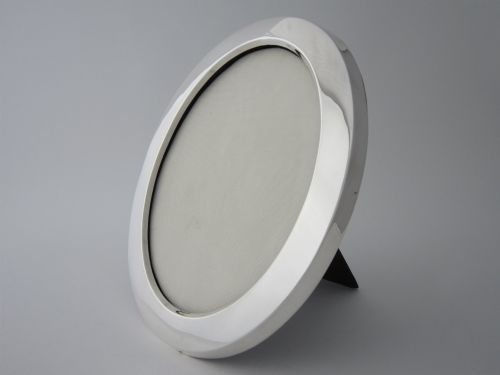
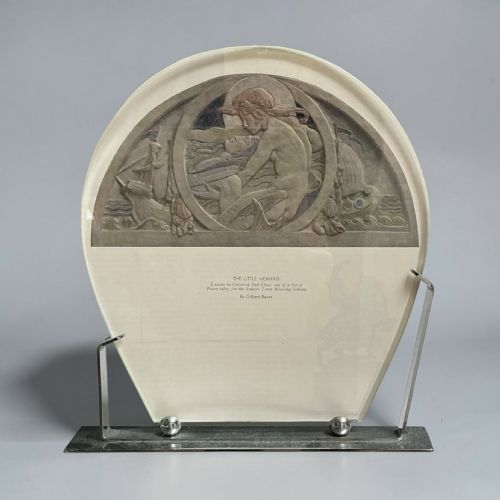
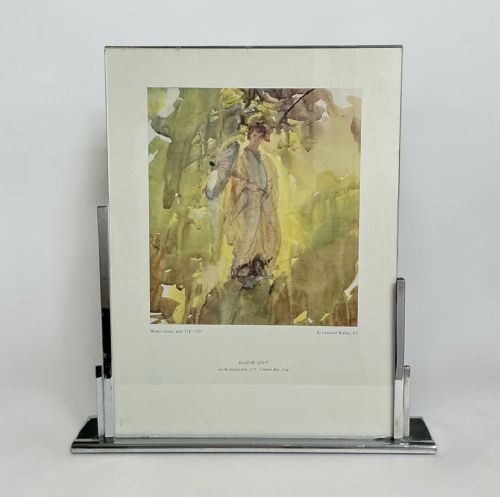
When buyers search for a vintage photograph display, they encounter picture frames and framed artwork spanning the Victorian, Edwardian, and Art Deco periods, alongside mid-century Italian examples. These objects range from single sterling silver mountings to elaborate multi-folding travel pieces designed to hold portraits on desks and dressing tables.
The selection reflects both domestic English manufacturing and continental European silverwork, particularly large Italian frames retailed in Rome. Buyers navigate variations in capacity, from single display mounts to six-fold configurations intended for bedside tables.
How they were made
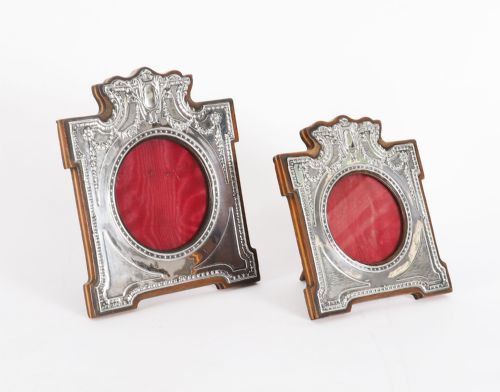
Makers utilised sterling silver and 800 silver for the primary mountings, often pressing or casting floral borders and Art Nouveau motifs into the metal. These metallic fronts were backed with wood, leather, or blue velvet to provide structural rigidity.
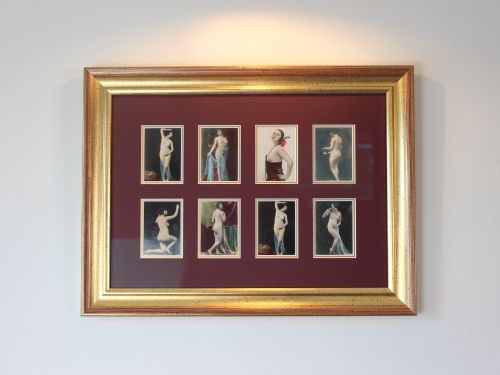
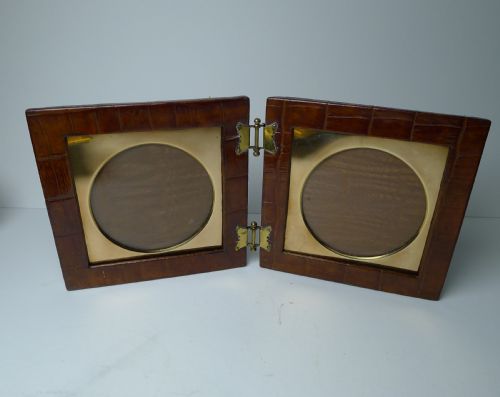
Protective glazing covered the photographic paper, while hinged joints allowed double and multi-fold travel frames to collapse securely. Hand-tinted techniques added colour directly to photographic prints during the early twentieth century.
Vintage Photograph Display Retail Price Guide 2026
Typical asking prices for vintage photograph display among the pieces listed under this phrase on Sellingantiques today, from the lower quarter to the upper quarter. They describe what is for sale here now, not the wider market.
Travel frames folded up like pocket diaries so gentlemen could gaze at secret portraits while rattling across Europe on steam trains.
What varies in quality
Quality rests upon the weight of the silver and the crispness of the embossed floral borders or organic Art Nouveau lines pressed into the metal. Finer examples retain their original wooden struts and intact velvet or leather backing materials.
The reputation of the silversmith workshop, such as William Comyns or Mappin Bros, elevates certain pieces above standard anonymous production. Furthermore, the mechanical complexity of multi-fold travel frames distinguishes standard items from superior multi-panel constructions.
Mappin Bros·Pinci Roma·William Comyns·Julian Mandel
The Vintage Photograph Display Glossary
- Sterling silver
- A silver alloy containing 92.5 percent pure silver by mass, widely utilised for British picture frames.
- 800 silver
- An alloy containing 80 percent pure silver, commonly found in continental European and Italian frames.
- Art Nouveau
- A stylistic movement characterised by organic, flowing lines and floral motifs, prominent around nineteen-hundred.
- Hand-tinted
- A photographic print enhanced with applied colour by hand, typical of early twentieth-century artistic works.
Vintage Photograph Display: Frequently Asked Questions
How do I clean tarnished silver frames?
Use a soft microfiber cloth and a mild silver polish designed to protect delicate embossed borders.
Avoid applying harsh liquids directly onto the velvet or leather backing materials attached to the reverse.
What periods do these displays cover?
The selection spans from the Victorian era through the Edwardian period and the nineteen-twenties.
Later items extend into mid-century Italian craftsmanship from the nineteen-fifties.
Are travel frames suitable for desks?
Double and multi-fold travel frames fold flat for transit while standing securely on flat surfaces.
Their hinged panels allow multiple photographs to be viewed simultaneously in domestic spaces.
How are different silver purities marked?
British pieces typically display sterling hallmarks including city marks like Birmingham alongside maker stamps.
Continental items often utilise numerical stamps such as eight hundred to indicate silver content.