





Vintage Photo Stand
A vintage photo stand holds a cherished portrait on a desk or mantel, combining practical function with decorative metalwork or wood.
Vintage Photo Stand
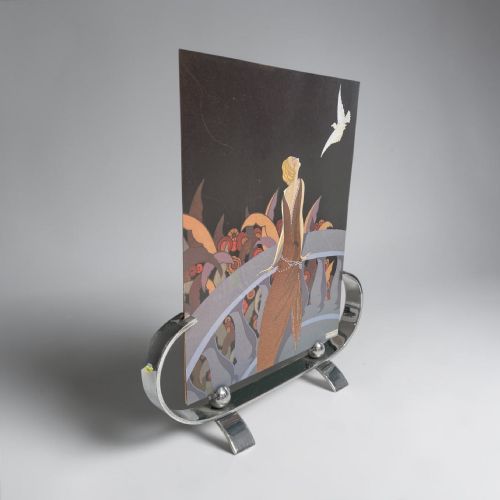
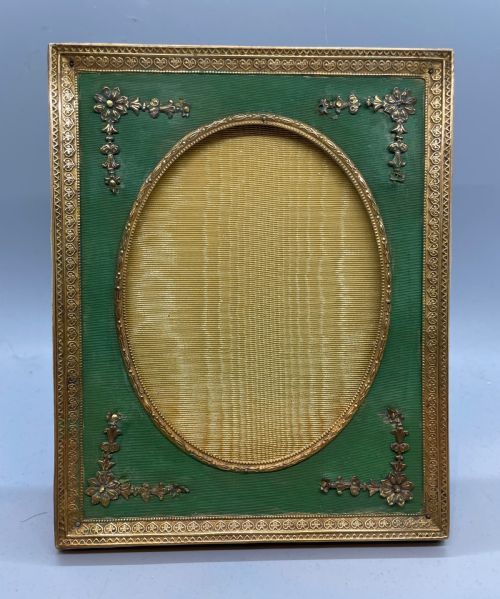
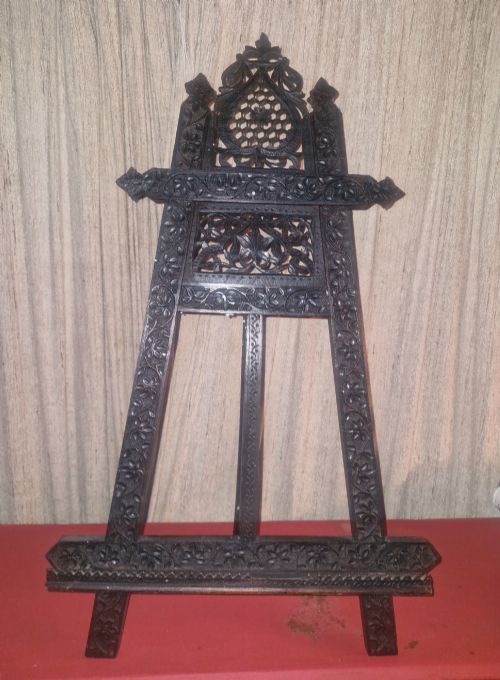
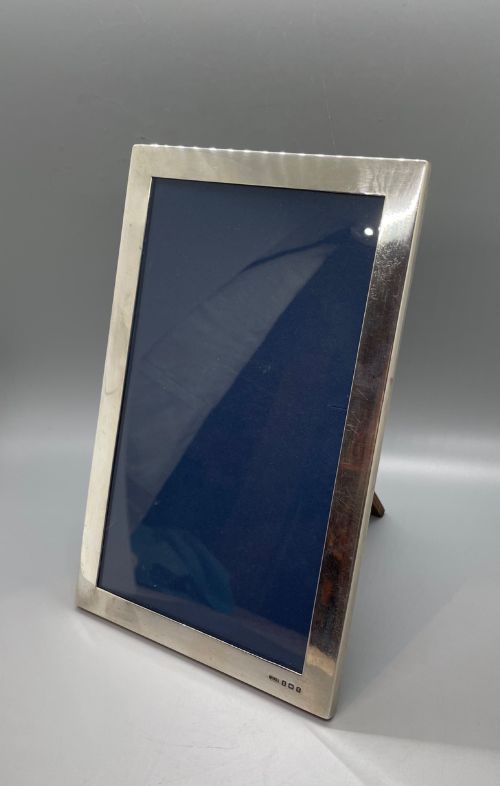
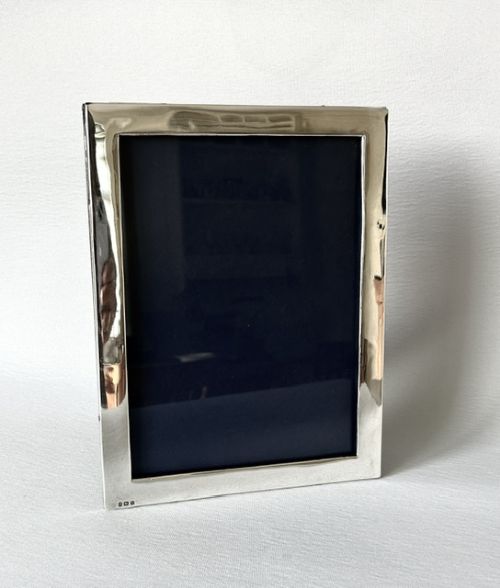
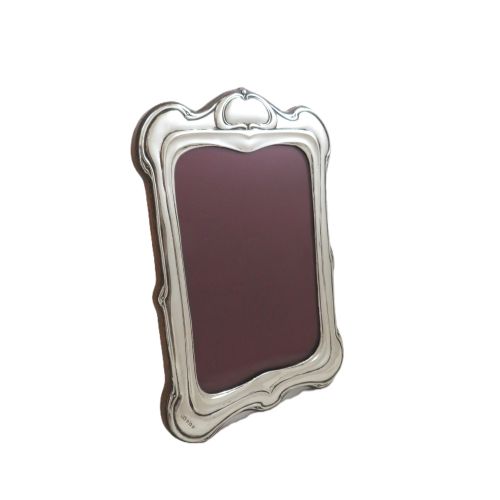
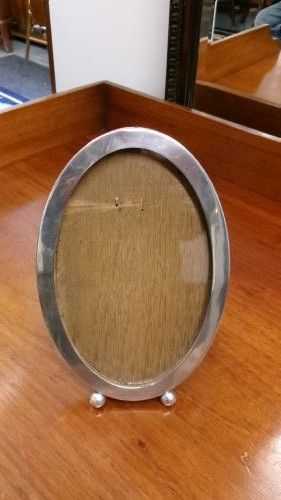
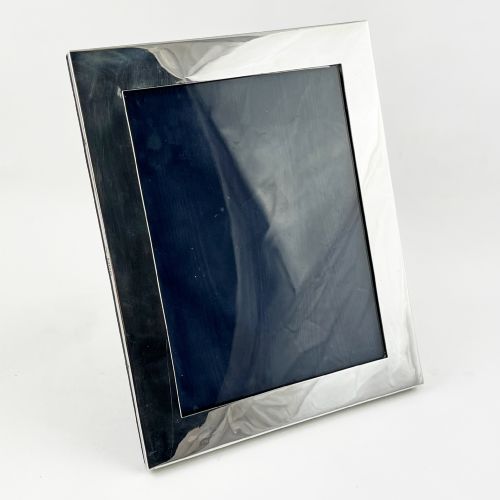
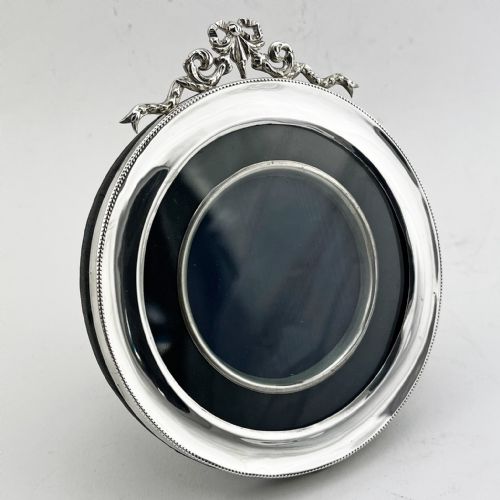
A vintage photo stand encompasses tabletop picture frames, photograph frames, and display easels designed to support portraits upright. When searching for a vintage photo stand, buyers frequently encounter Edwardian and Art Deco examples produced across the late nineteenth and early twentieth centuries.
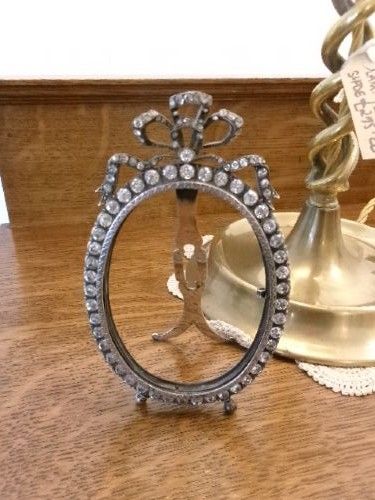
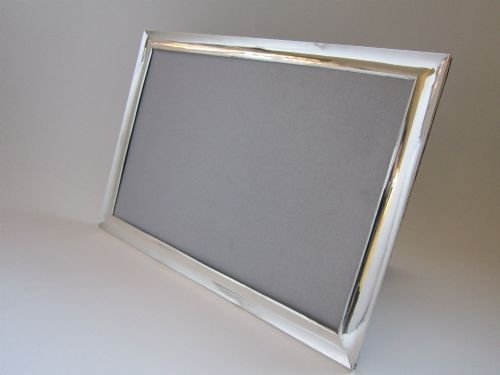
The selections span oval, round, and rectangular formats, incorporating folding backs or integrated display easels. Many pieces function as dual-purpose vanity mirrors or miniature decorative furnishings alongside their primary role as portrait holders.
Origins range from English provincial assay offices to French workshops and Italian makers. Materials vary from sterling silver and gilt bronze to carved timber and iron.
Materials and construction
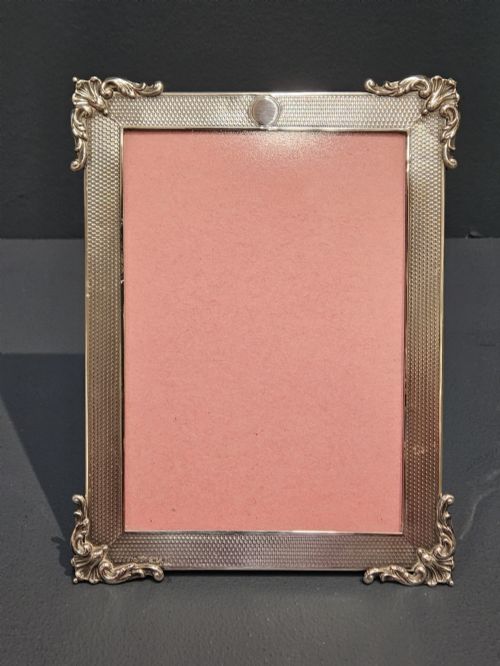
Metals form the core of these pieces, utilising sterling silver, gilt bronze, ormolu, brass, and nickel-plated silver. Smiths shaped these materials through casting, embossing, and engine-turning to create textured borders.
Backings typically consist of wood, velvet, or black leather paired with hinged metal struts for stability. Glass protects the photographic surface, sometimes held within glazed or paste-stone-set bezels.
Vintage Photo Stand Retail Price Guide 2026
Typical asking prices for vintage photo stand among the pieces listed under this phrase on Sellingantiques today, from the lower quarter to the upper quarter. They describe what is for sale here now, not the wider market.
The listings show diverse periods from Victorian through to 1950, utilising sterling silver, gilt bronze, wood, and velvet.
Assessing quality and manufacture
The distinction between standard production and superior manufacture lies in the depth of metalwork and the integrity of the structural support. Heavy gauge sterling silver or cast gilt bronze with crisp, hand-chased floral or geometric motifs indicates superior workshop execution.
Subtle details such as fitted wooden backs, secure easel hinges, and well-preserved glass or mirror plates separate robust examples from simpler stamped metal variants.
William Comyns·Pinci Roma·Moseley
The Vintage Photo Stand Glossary
- Engine-turned
- A mechanical decoration technique producing intricate geometric patterns inscribed into metal surfaces. This method was widely used on silver frames during the Edwardian period.
- Ormolu
- Gilded bronze typically associated with French decorative arts and nineteenth-century picture frames. The finish provides a rich gold appearance over a bronze substrate.
- Assay mark
- Official stamps indicating the metallic purity and origin of silver items. These marks identify specific towns like Birmingham or Chester alongside the year of testing.
- Paste stone
- Faceted glass or crystal cut to imitate gemstones, set into metal frames for added ornamentation. It appears frequently on French decorative pieces.
Vintage Photo Stand: Frequently Asked Questions
How do I clean a silver photo frame?
Use a soft cloth to remove dust from silver surfaces, avoiding harsh chemical dips that damage backing materials or glass inserts.
Keep polish away from fabric or wooden backs to preserve the original structural components.
Can these stands hold modern photographs?
Most vintage photo stands accommodate standard photographic prints behind their glass panels. You may need to trim modern paper prints slightly to fit older aperture dimensions.
Ensure the interior backing secures the photograph firmly without applying excessive pressure.
How do I date an Edwardian silver frame?
Examine the hallmarks stamped along the border or edge of the metalwork. These stamps reveal the assay office and the exact year of manufacture.
Stylistic cues like embossed floral borders further confirm the Edwardian period.
What is the difference between a picture frame and a display easel?
A picture frame encloses an image within a fixed border and glass cover. A display easel functions as an independent stand designed to support a separate panel or plate.
Both serve to showcase portraits on flat surfaces.