

Vintage Pedestals
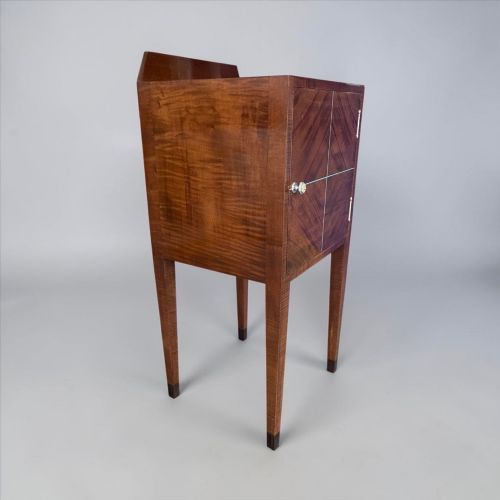
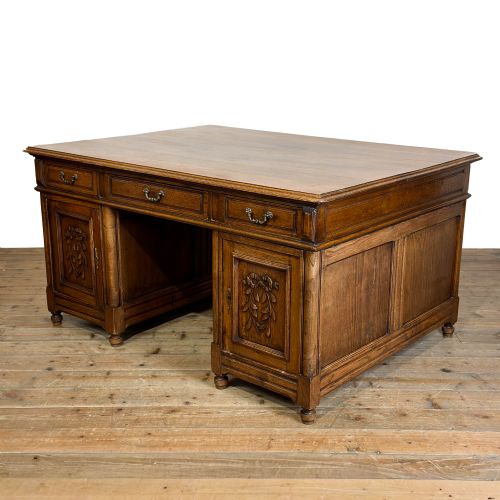
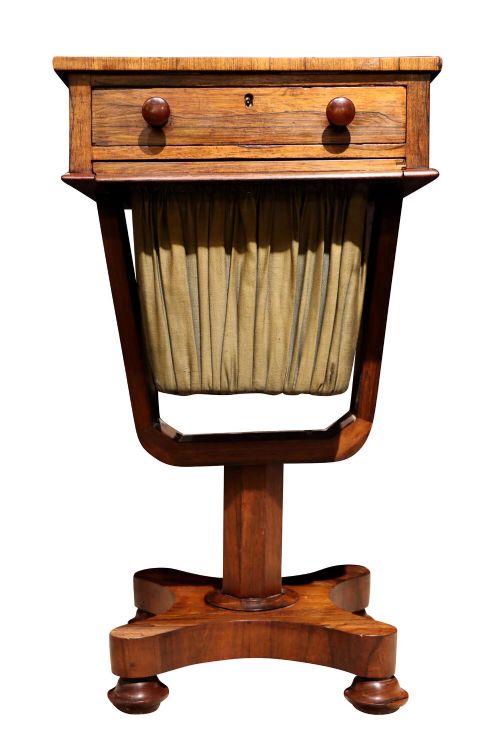
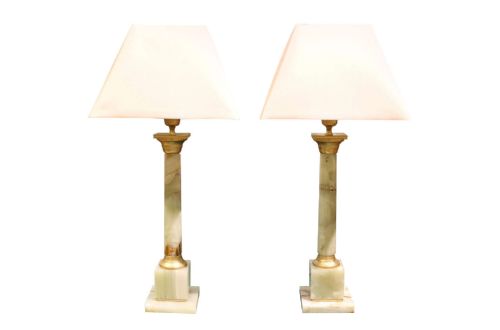
Vintage pedestals bring architectural presence to a room, offering elevated display surfaces rooted in nineteenth and twentieth-century design.
Vintage Pedestals
Vintage pedestals encompass a range of column stands, plinths, and occasional display supports originating from periods such as the nineteenth century, Edwardian era, and the 1920s.
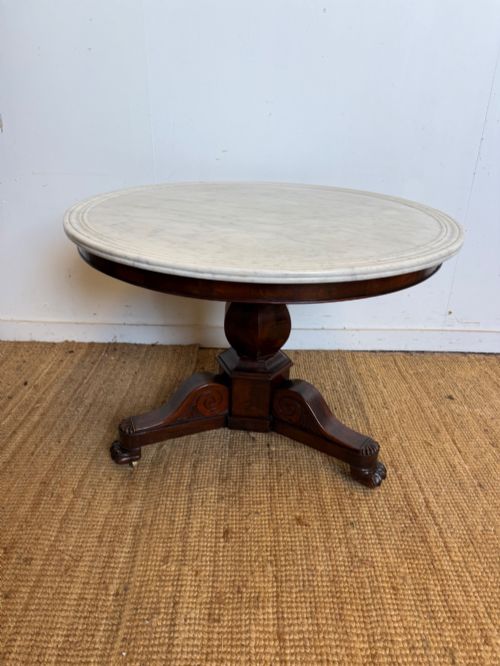
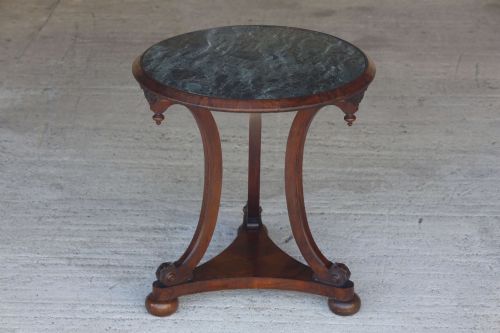
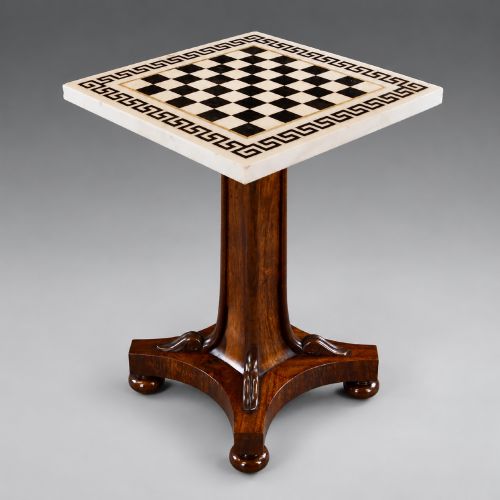
Buyers seeking vintage pedestals frequently encounter Neoclassical column forms in hardwood, alongside French plinths and occasional stands designed for sculpture or lighting.
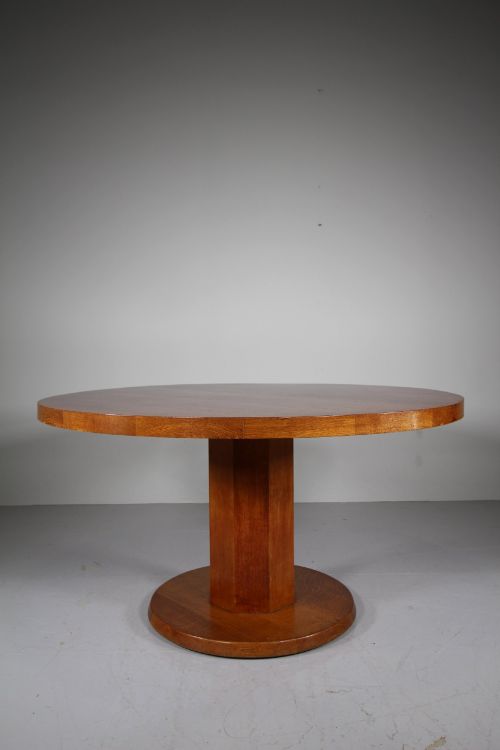
The selections span architectural walnut and mahogany variations, reflecting the stylistic shifts from ornate Victorian tastes through to clean Art Deco lines.
Materials and Construction
Cabinet makers utilised dense timbers including mahogany, oak, burr walnut, and various hardwoods, often selecting stock for distinct grain patterns or suitability for turning.
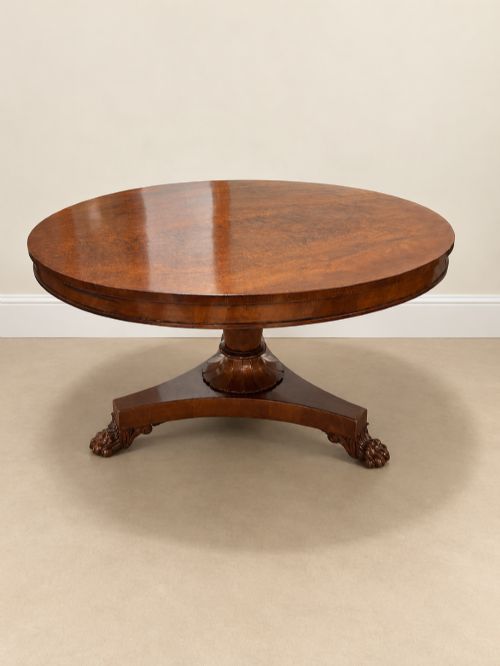
Construction techniques combine traditional joinery with turned column shafts, panelled plinths, and occasional carved detailing executed directly into the timber.
Vintage Pedestals Retail Price Guide 2026
Typical asking prices for vintage pedestals among the pieces listed under this phrase on Sellingantiques today, from the lower quarter to the upper quarter. They describe what is for sale here now, not the wider market.
Assessing Quality
Quality rests upon the crispness of carved or turned detail and the selection of timber veneers, such as burr walnut, matched across visible surfaces.
Structural stability in a tall column or stand depends on the weight distribution of the base and the precise alignment of the central shaft.
Bath Cabinet Makers
The Vintage Pedestals Glossary
- Neoclassical
- A style drawing inspiration from classical antiquity, frequently seen in column pedestals with formal proportions. This aesthetic values symmetry and restraint.
- Plinth
- A heavy base or supporting block upon which a column, vase, or statue rests. It provides both visual grounding and physical stability.
- Hardwood
- Timber derived from broad-leaved trees, selected for durability and fine grain structure in column construction. These woods take a high polish.
- Burr walnut
- A prized wood veneer showing intricate swirling grain patterns formed at tree junctions. Cabinet makers applied it to statement furniture surfaces.
Vintage Pedestals: Frequently Asked Questions
What were vintage pedestals originally used for?
These supports served primarily to elevate ornamental urns, sculptures, or lighting within period interiors, drawing the eye upward.
They functioned as architectural accents in hallways, libraries, and drawing rooms rather than utilitarian furniture.
How do I style a pedestal in a modern room?
Position a single column in an empty corner to break up monotonous wall space or use a pair symmetrically to frame a doorway.
Keep the item placed on top modest in scale so the architectural lines of the stand remain the focus.
How can I tell a nineteenth-century pedestal apart from later pieces?
Examine the timber preparation and the depth of hand-turned mouldings, which typically show greater variation in older examples.
Nineteenth-century pieces often utilise solid mahogany or heavy hardwoods with hand-finished wax polishes.
Are wooden pedestals stable enough for heavy items?
Solid oak and hardwood versions offer substantial weight at the base, making them suitable for heavy bronze or stone ornaments.
Ensure the floor surface is level and check that the central column connects securely to the plinth base.