
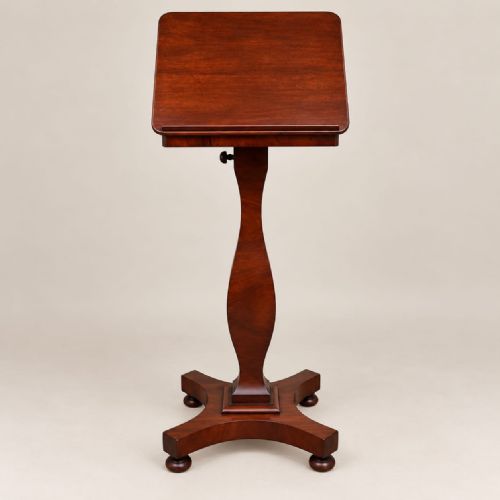
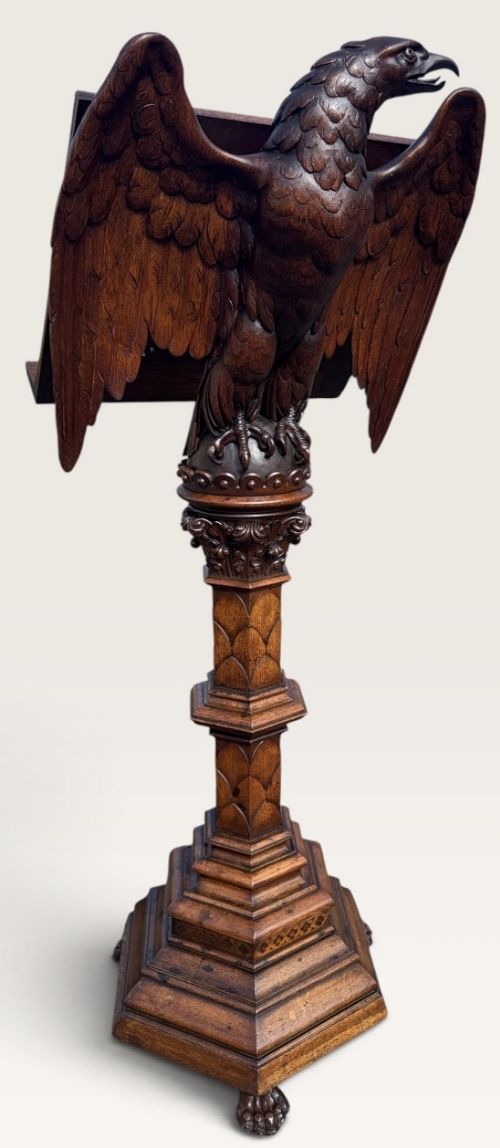
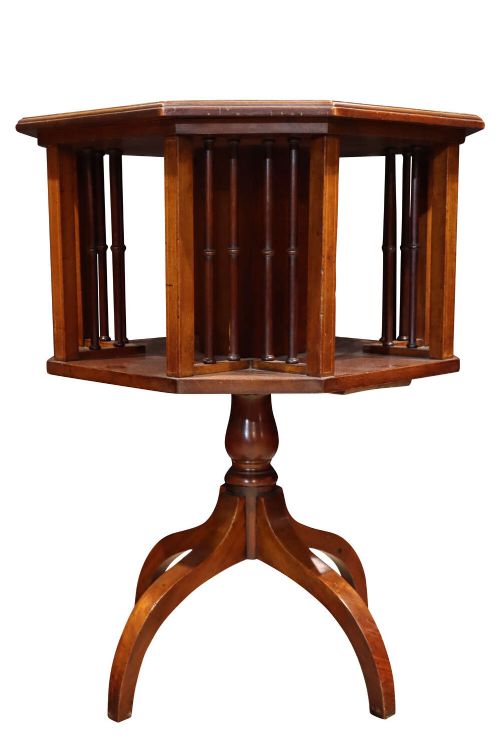
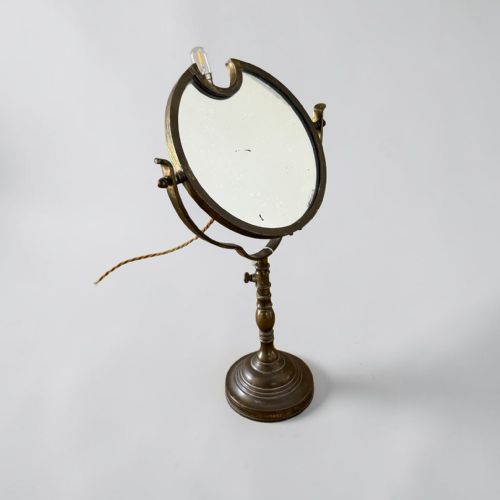
Vintage Pedestal Stand
A vintage pedestal stand raises plants, lamps or decorative objects to eye level, bringing useful height and structure to a room.
Vintage Pedestal Stand
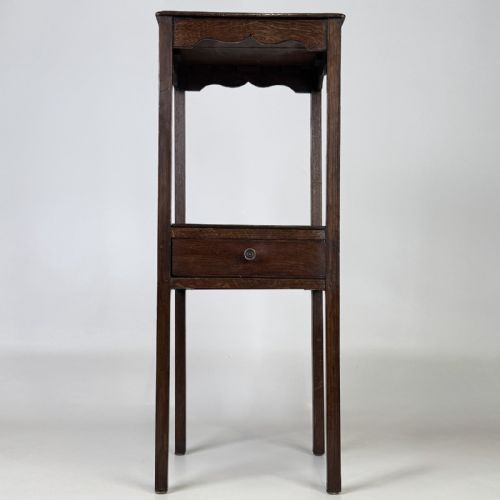
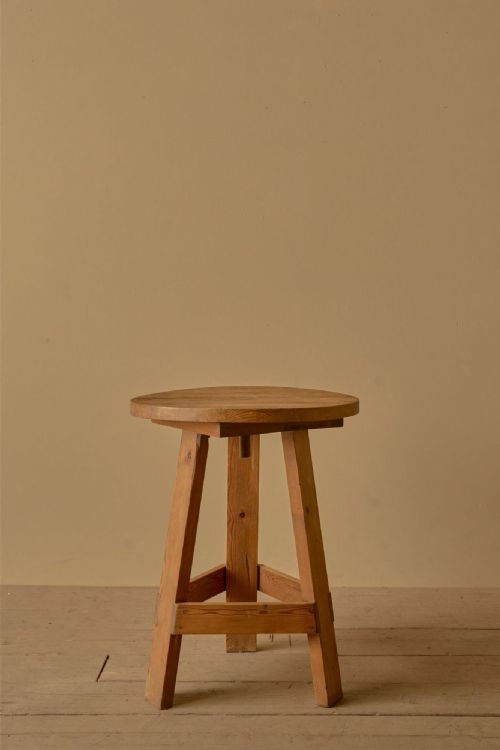
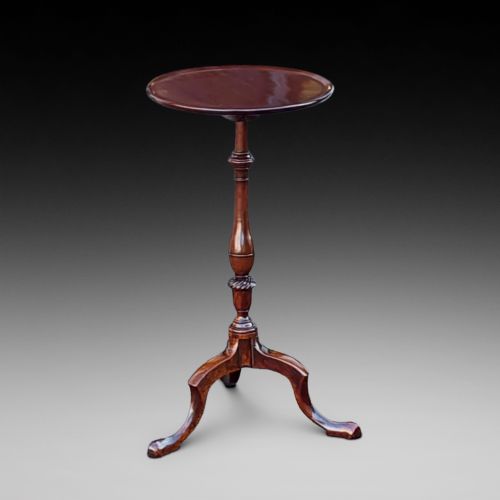
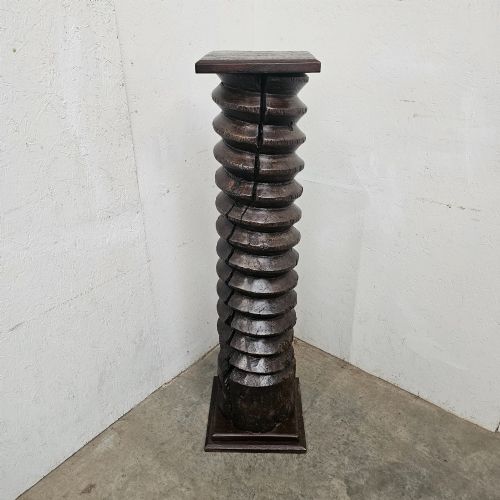
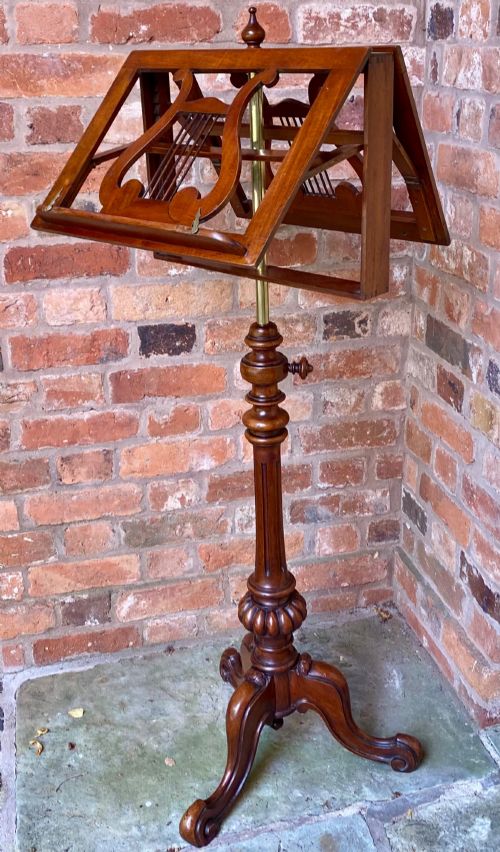
When you search for a vintage pedestal stand, you encounter a variety of elevated supports designed to hold plants, lamps, urns or ornaments. The selection spans several periods including Georgian, Victorian, Edwardian and the early twentieth century, reflecting shifting domestic fashions across generations.
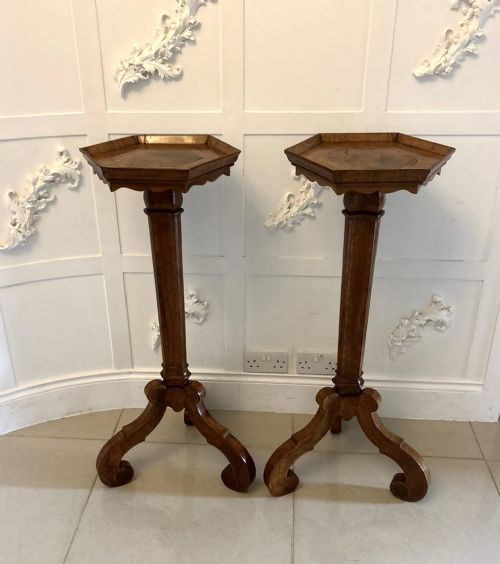
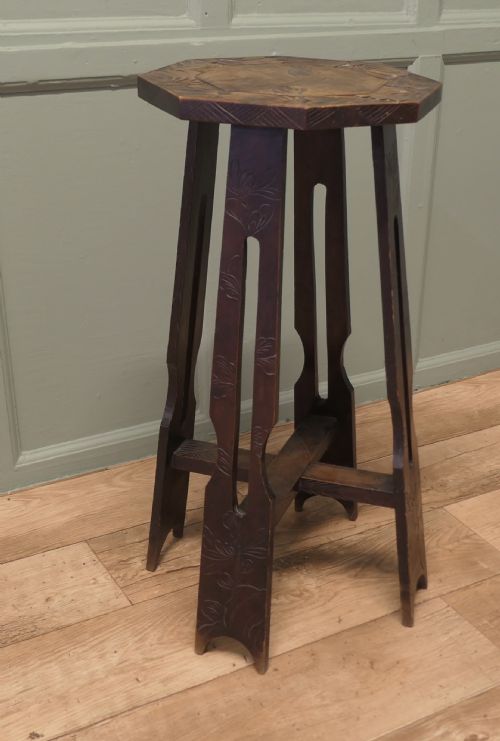
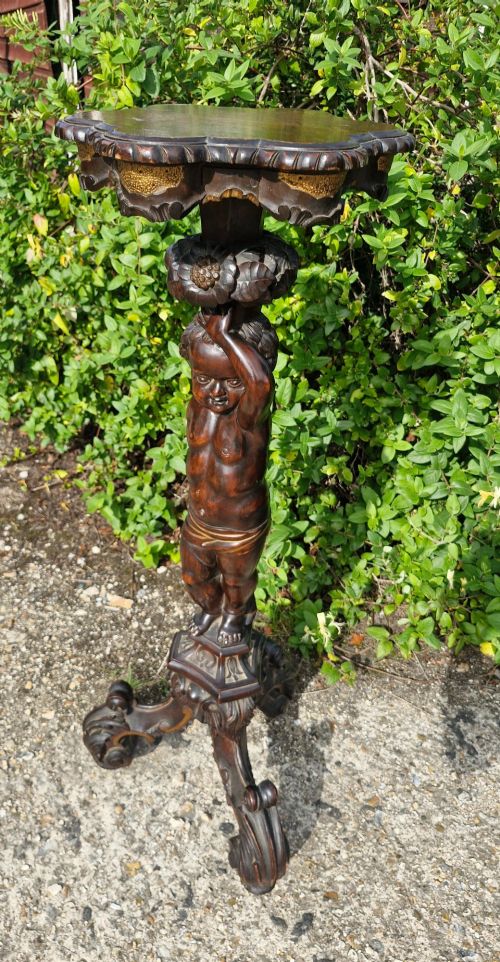
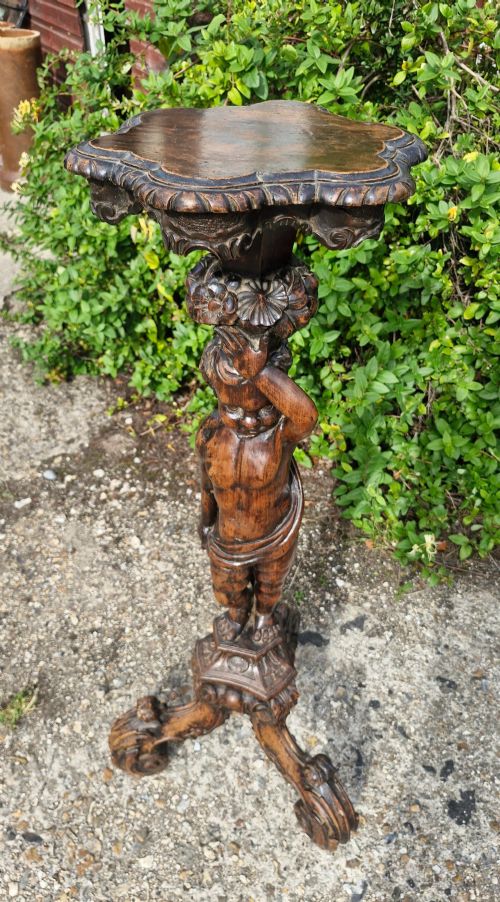
The most common forms on this page include plant stands, torcheres, wine tables and small display columns. These pieces appear in formats ranging from simple turned plinths to inlaid satinwood columns and oak Arts and Crafts jardiniere stands.
Origins stretch from British workshops to French and Dutch makers, sometimes incorporating oriental hardwoods or marble tops. Buyers select these items to add vertical interest and functional display surfaces to hallways, drawing rooms and corners.
How they were made
Cabinet makers utilised dense hardwoods such as mahogany, oak and walnut for structural stability and fine turning. Brass mounts, gilded details and inlaid satinwood provided decorative contrast on formal display pieces.
Marble inserts frequently protected timber tops from moisture when utilised for plants or urns. Specialised joinery techniques, including tripod bases, turned columns and carved wood pillars, ensured each tall stand remained balanced under a heavy load.
Materials recorded on this page include mahogany, oak, walnut, brass, glass, marble, satinwood and original paint.
What varies in quality
Superior examples display precise timber selection with harmonious grain patterns and skilled hand-carving on columns and bases. Lesser pieces rely on mechanical production with simpler turned work and standard secondary woods.
The integrity of joints and the retention of original surface treatments, whether polished mahogany, original paint or waxed oak, dictate the standing of a piece. Finer items integrate luxury materials like inset marble or mother of pearl smoothly into the primary timber frame.
Denby and Spinks·Coalbrookdale
The Vintage Pedestal Stand Glossary
- Torchere
- A tall, slender stand designed specifically to hold a lamp or candle, often featuring a carved column and a tripod base.
- Jardiniere stand
- A specialised support intended to display indoor plants or flower pots, frequently waterproofed with metal liners or marble tops.
- Tripod base
- A three-legged support structure commonly found beneath wine tables and torcheres to maintain stability on uneven floors.
- Inlay
- A decorative technique where contrasting materials such as satinwood or mother of pearl are embedded into the surface of the primary wood.
- Plinth
- A heavy solid base or block supporting a statue, vase, or display column.
Vintage Pedestal Stand: Frequently Asked Questions
How were pedestal stands originally used in homes?
These elevated surfaces held potted plants, heavy urns, oil lamps or candles in drawing rooms and hallways. Their primary function was to introduce height and decorative focus to empty corners.
Over time, homeowners adapted them to display personal ornaments, small sculptures or reading materials within reach of seating areas.
What is the difference between a plant stand and a torchere?
A torchere specifically describes a tall, slender pillar designed for lighting, whereas a plant stand often includes waterproof inserts or wider platforms for foliage. Both provide vertical lift, but their upper surfaces reflect their intended loads.
Construction styles also vary, with torcheres leaning toward carved columns and plant stands utilising simpler tiers or sturdy oak frames.
Can these stands support heavy items safely?
Most pieces possess sturdy tripod or four-legged bases designed to counteract the weight of marble tops and large planters. Solid hardwood construction provides the necessary mass to prevent tipping under normal conditions.
Placing items centrally on the platform ensures stability, particularly on older stands with slender turned columns.
How do I identify an Edwardian pedestal stand?
Edwardian examples often feature lighter timbers such as satinwood or lighter oak, sometimes incorporating Arts and Crafts movement influences. Their decorative schemes tend to be cleaner and less ornate than heavy Victorian counterparts.
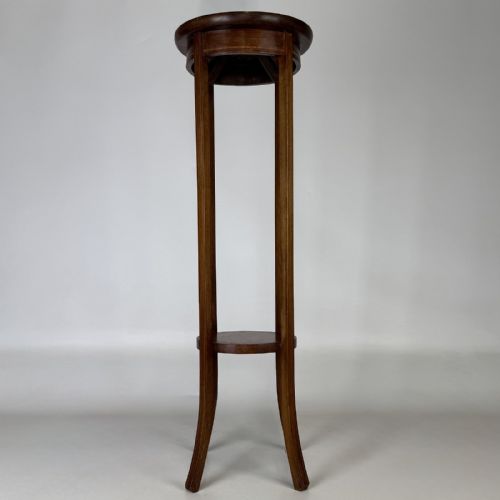
Common markers include tapered legs, simple geometric inlays, and practical two-tier designs intended for domestic plant displays.