



Vintage Patterned Sofa
A vintage patterned sofa brings character and texture to a room, offering deep comfort upholstered in period textiles.
Vintage Patterned Sofa
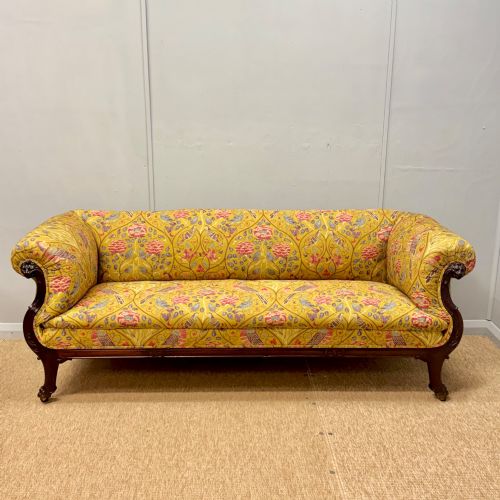
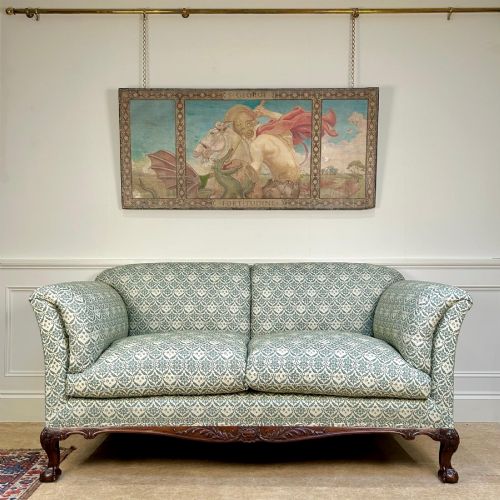
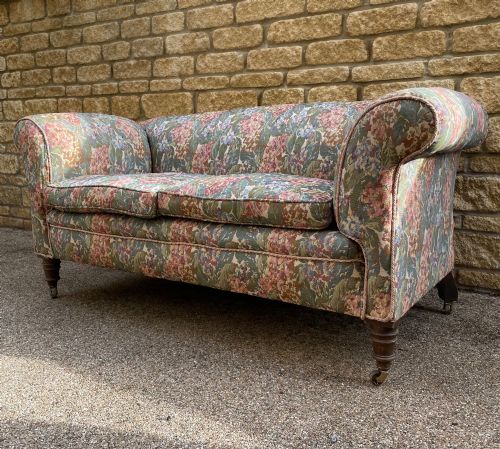
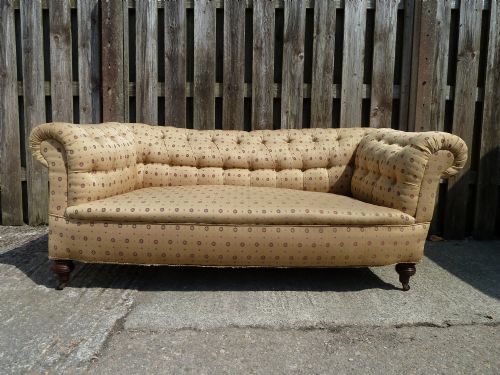
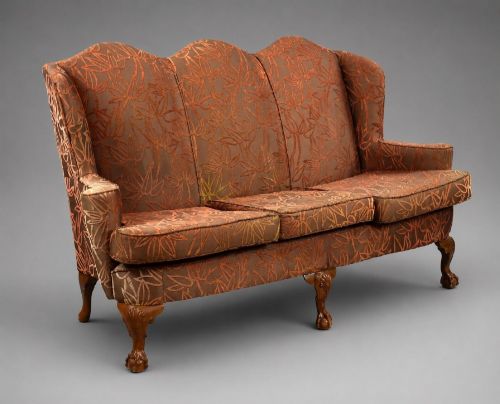
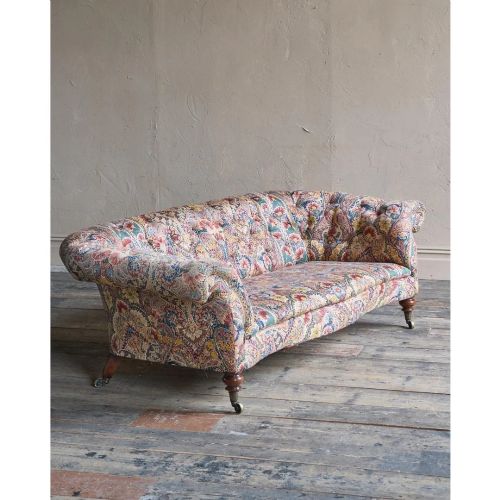
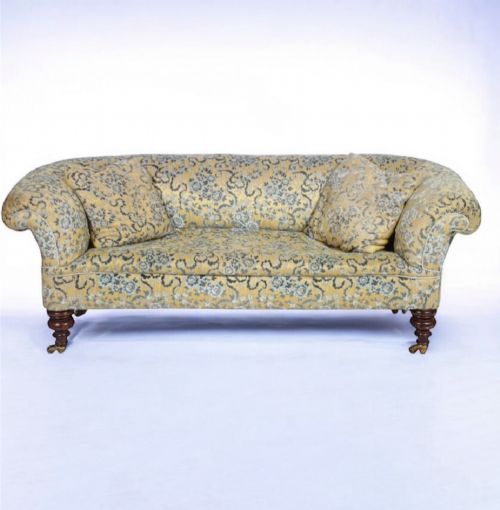
A vintage patterned sofa encompasses pieces spanning the nineteenth century through the early twentieth century, taking forms such as the classic Chesterfield, the adjustable Knole sofa, and the drop-end settee. These seating options emerge from Victorian, Edwardian, and Art Deco styles, often upholstered in floral fabrics, damask, or woven textiles.
Buyers seeking a vintage patterned sofa will frequently encounter nineteenth-century Chesterfields and Edwardian settees on this page. These pieces combine traditional wooden frames in mahogany or walnut with patterned upholstery fabric, wool, or cotton.
The selection includes related furnishings like day beds, parlour suites, and cushions that share the same period aesthetics. English country house and Queen Anne styles appear alongside aesthetic movement pieces, providing diverse seating options for traditional interiors.
How they were made
Frame construction relies on timber, predominantly mahogany and walnut, providing structural support for large seating forms. Turned legs, occasionally fitted with original castors or carved claw and ball feet, anchor the heavy wooden underframes.
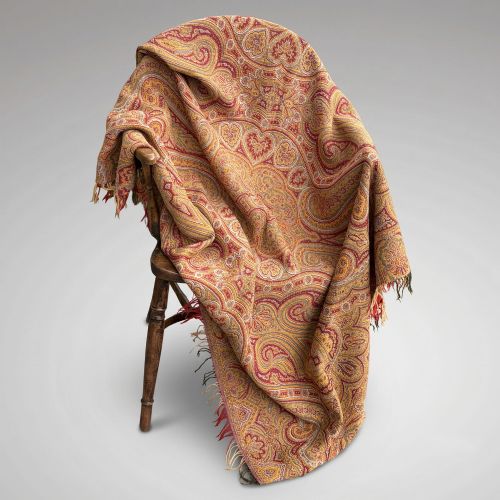
Upholstery techniques utilise traditional materials including cotton, wool, and specialised upholstery fabric. Patterned textiles such as damask and chintz are secured over padding, sometimes retaining original ticking upholstery beneath the decorative outer layer.
Vintage Patterned Sofa Retail Price Guide 2026
Typical asking prices for vintage patterned sofa among the pieces listed under this phrase on Sellingantiques today, from the lower quarter to the upper quarter. They describe what is for sale here now, not the wider market.
What varies in quality
The distinction between standard examples and top-tier pieces rests upon maker attribution and frame integrity. Works from established makers like Howard and Sons command attention through superior joinery, distinct proportions, and original upholstery details.
The choice of timber and the preservation of original decorative elements, such as inlaid mahogany or carved walnut legs, elevate certain pieces above standard production. The condition of the textile surface, whether original damask or later patterned fabric, also influences the character of the seating.
Howard and Sons
The Vintage Patterned Sofa Glossary
- Chesterfield sofa
- A deep-buttoned upholstered sofa traditionally featuring rolled arms of the same height as the back.
- Knole sofa
- An early upholstered settee design with adjustable hinged arms that can be lowered or raised.
- Drop-end sofa
- A seating form featuring at least one movable arm that drops down to create a day bed or lounger.
- Damask
- A reversible figured fabric woven on a jacquard loom, frequently utilised for formal upholstery.
- Parlour suite
- A matched set of seating furniture designed for a Victorian or Edwardian drawing room.
Vintage Patterned Sofa: Frequently Asked Questions
How do I identify a Victorian Chesterfield?
A Victorian Chesterfield is characterised by deep button-tufted upholstery, a low back, and rolled arms. These nineteenth-century pieces often rest on turned wooden legs with castors.
Examine the proportions and the weight of the frame. Many examples from this era show traditional hand-stuffed upholstery methods beneath the patterned fabric.
How should I care for antique upholstery?
Protect antique patterned textiles from direct sunlight to prevent fading of cotton, wool, and damask fabrics. Gentle vacuuming with a low suction attachment helps remove dust without damaging the weave.
Consider professional textile cleaning for delicate nineteenth-century fabrics. Retaining original ticking and stuffing requires careful handling to preserve the internal structure.
Where were drop-end sofas used?
Drop-end sofas served primarily in nineteenth-century libraries, drawing rooms, and morning rooms as versatile seating and resting places. The adjustable arm allowed the user to recline during the day without moving to a bed.
These pieces often feature turned walnut or mahogany legs and appear in Edwardian and late Victorian home settings.