







Vintage Pastoral Print
These vintage pastoral print pieces bring rustic rural life into your home through framed artworks, engravings, and watercolours.
Vintage Pastoral Print
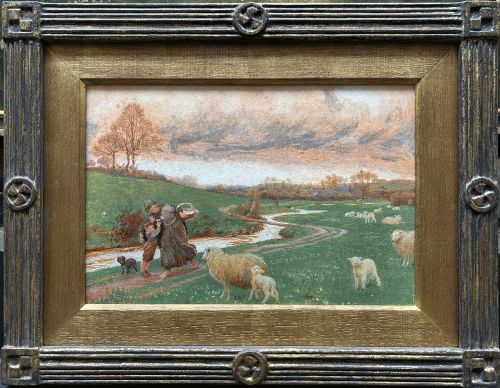
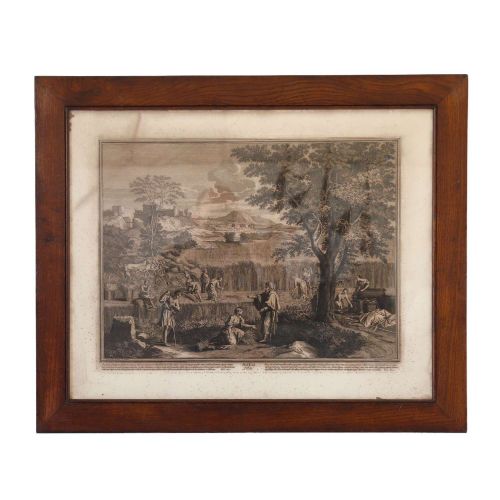
A vintage pastoral print represents rural scenes, country figures, and agricultural life across various periods and decorative styles. Buyers searching this phrase encounter framed prints, wall art, oil paintings, and watercolours depicting rustic subjects. The selection spans diverse eras from the seventeenth century through to the twentieth century, encompassing traditional engraving and modern reproduction.
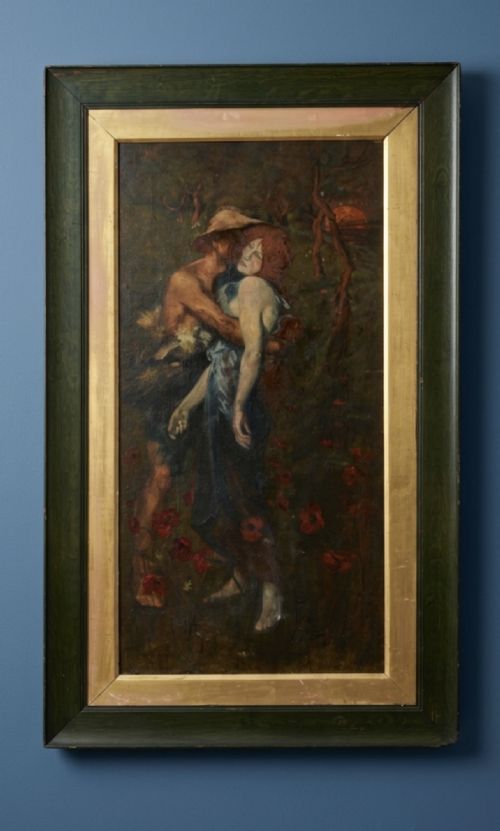
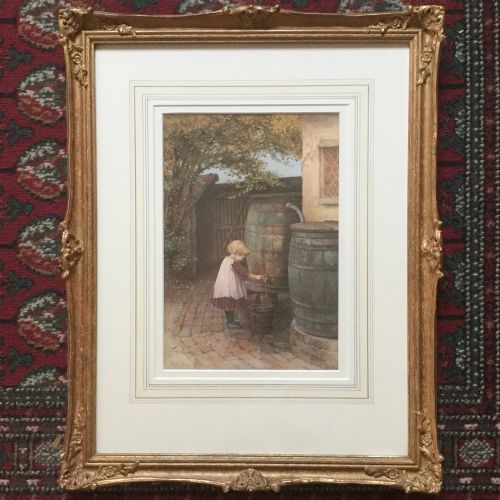
Subjects range from mythological figures like Pan to domestic mother and child compositions and open landscape harvesting views. Traditional Victorian idyllic scenes sit alongside Arts and Crafts works and British Realism pieces. Buyers will find both original paintings and commemorative prints housed within wood, glass, gesso, and gold leaf frames.
Materials and construction
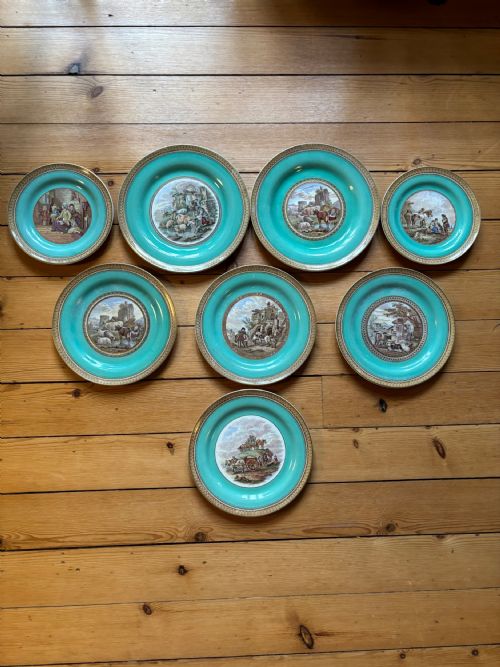
Works in this category utilise paper, earthenware, and canvas as the primary base materials for holding image and pigment. Watercolour painting and oil on canvas appear alongside engraving, lithograph, and transfer printing techniques. Earthenware plates and platters employ blue and white transfer decoration.
Frames incorporate wood, gesso, and gold leaf to mount and protect the paper and canvas components. Glass provides a protective barrier over delicate prints and watercolours against environmental degradation.
Vintage Pastoral Print Retail Price Guide 2026
Typical asking prices for vintage pastoral print among the pieces listed under this phrase on Sellingantiques today, from the lower quarter to the upper quarter. They describe what is for sale here now, not the wider market.
Subcategories include framed mythological oil paintings alongside blue and white Victorian meat platters and footbaths.
Factors separating tiers of quality
The quality of a vintage pastoral print depends upon the clarity of the image transfer and the preservation of the underlying paper or canvas. Hand-painted watercolours and original oil paintings demonstrate greater artistic execution than mass-produced decorative prints.
Framing materials reflect the status of the piece, with genuine gold leaf and carved gesso indicating superior craftsmanship compared to plain wood or modern substitutes. The integrity of the physical medium, whether earthenware or paper, dictates the enduring stability of the artwork.
Frederick Walker·Charles Edward Wilson·Margaret Maitland Howard·James William Booth·Herbert Royle
The Vintage Pastoral Print Glossary
- Engraving
- An intaglio printing process where an image is cut into a metal plate with a burin. The resulting lines hold ink to produce fine, detailed impressions on paper.
- Lithograph
- A planographic printing method based on the repulsion of oil and water on a stone or metal plate. It allows for smooth tonal gradations in pictorial reproductions.
- Mezzotint
- A tonal method of engraving on copper where the surface is roughened to hold ink for dark areas and scraped down for lighter tones. It creates rich velvety darks and subtle transitions.
- Prattware
- A type of English earthenware featuring underglaze coloured reliefs, popular during the nineteenth century. These ceramics often display moulded figures and decorative borders.
- Gesso
- A paint mixture consisting of a binder mixed with chalk, gypsum, or pigment used to prepare wood surfaces for gilding or painting. It provides a smooth foundation for gold leaf application.
Vintage Pastoral Print: Frequently Asked Questions
What subjects do these prints show?
The compositions depict rural life, agricultural harvesting, and mythological figures within natural settings. Scenes include hay carts, rustic pools, and pastoral mother and child groups.
Artists across different centuries interpret the countryside through realistic landscapes and idealised romantic compositions. These decorative works focus primarily on agrarian themes and tranquil rural environments.
How should I hang these artworks?
Framed pieces require secure wall fixings suited to the weight of wood frames and glass panels. Position them away from direct sunlight to protect paper and watercolour pigments from fading.
Maintain stable indoor humidity levels to preserve canvas, paper, and gesso frame integrity over time. Groupings can combine different periods and mediums such as oil paintings and engravings for a cohesive display.
Are these works original or copies?
The selection includes original oil paintings and watercolours alongside period engravings, lithographs, and decorative prints. Some items represent later copies or reproductions after well-known historical compositions.
Listings specify the exact medium and period for each piece to clarify its manufacturing origin. Buyers can distinguish unique hand-painted works from printed reproductions through surface texture examination.
How do I identify the period?
Stylistic indicators such as Victorian genre art, Baroque classicism, and British Realism help date individual artworks. Framing techniques, paper types, and earthenware manufacturing styles also provide clues to the era of production.
Associated artist active dates and specific century references in the documentation assist with chronological placement. Comparative analysis of framing materials and medium types establishes the historical context.