


Vintage Pastel Drawing
A vintage pastel drawing brings intimate colour and immediate touch to a room, capturing light across landscapes and portraits through soft pigment.
Vintage Pastel Drawing
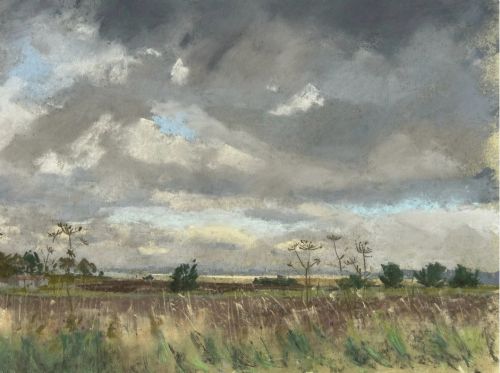
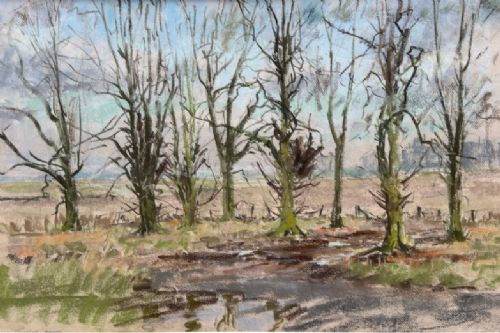
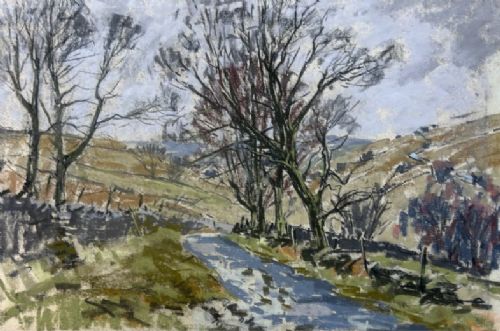
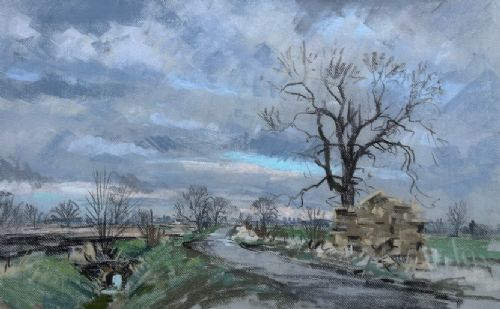
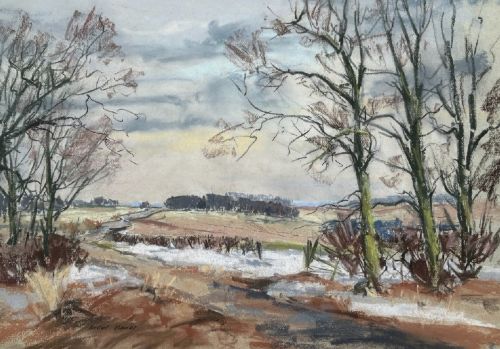
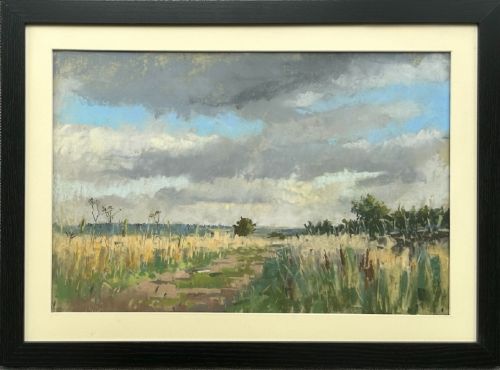
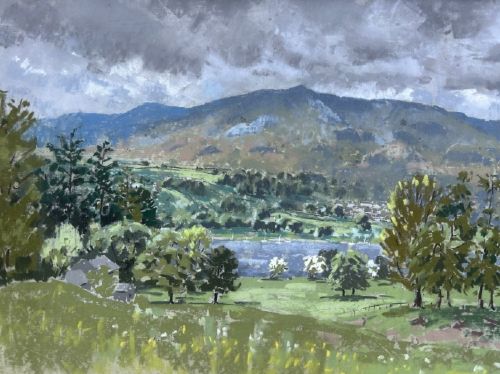
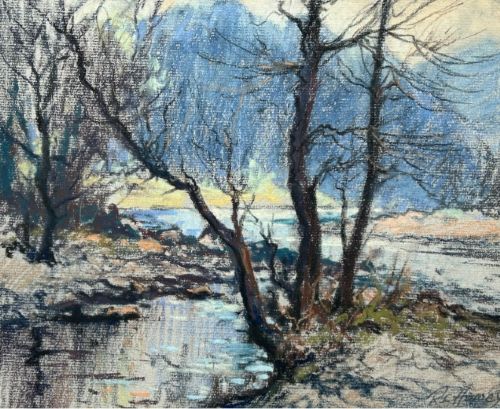
A vintage pastel drawing encompasses original artworks created across the nineteenth and twentieth centuries, featuring subjects from tranquil English countryside landscapes to detailed human and animal portraits. Works span movements including Edwardian, Impressionist, and Mid-Century Modern, reflecting diverse stylistic approaches to the medium.
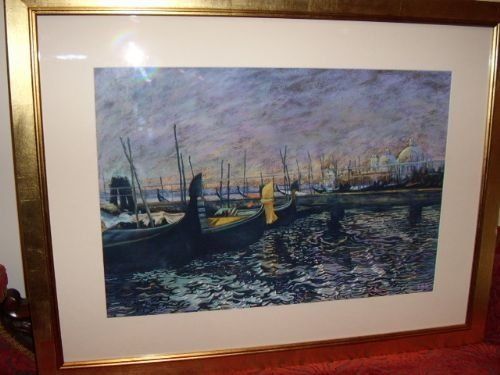
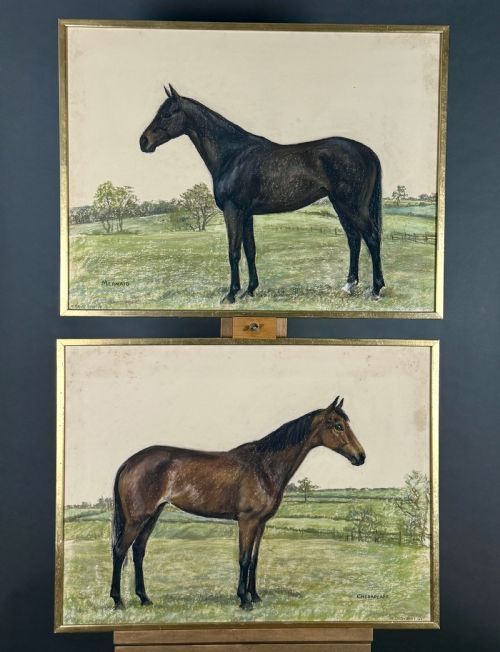
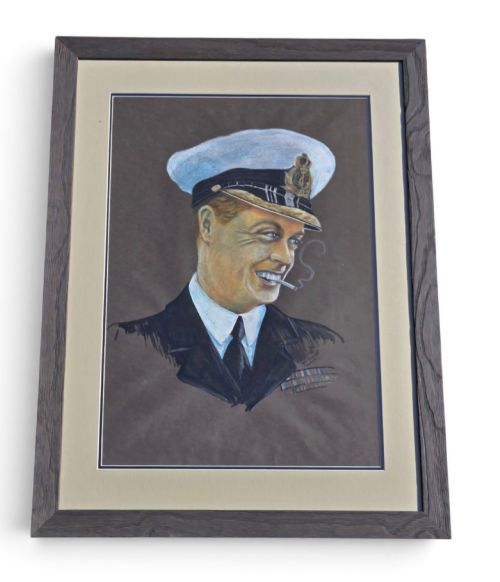
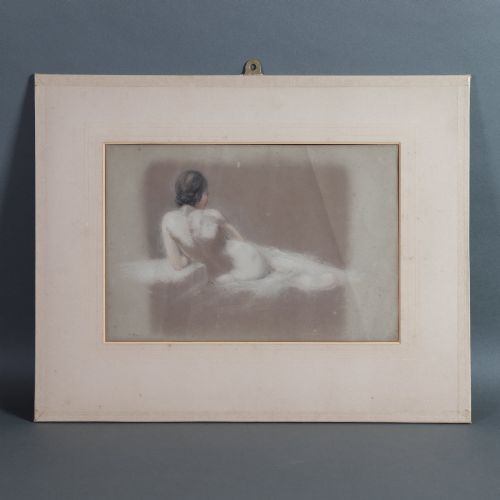
The most common examples on this page date from the mid-twentieth century and the Edwardian era, often presented mounted behind glass in period wood or giltwood frames. These pieces include rapid wartime sketches of military officers, striking equestrian studies, and vibrant depictions of coastal harbours.
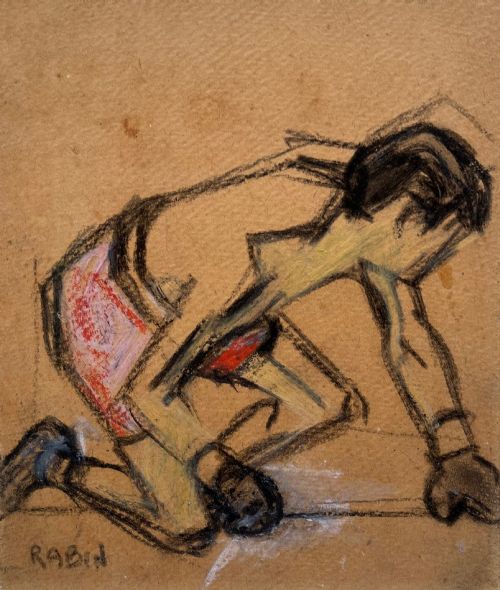
Subjects range widely across the collection, taking in botanical still lifes, circus performers, city streetscapes, and intimate figure studies. Each piece preserves the distinct hand of the artist, relying on dry pigment to render depth and texture without the glossy finish of oil.
Materials and technique
Artists form these images using sticks of compressed pure pigment, occasionally combining pastel with charcoal, chalk, or gouache to build contrast and density upon a paper or canvas support. The dry nature of the medium permits rapid blending and layering, capturing transient effects of light directly onto the sheet.
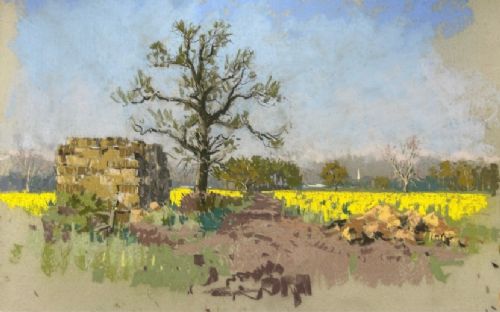
Many works incorporate coloured paper or tinted grounds, allowing the middle tone of the support to participate actively in the composition rather than remaining hidden beneath heavy paint layers. Supplementary media like ink or watercolour sometimes delineate the initial structure before the pigment is applied.
Vintage Pastel Drawing Retail Price Guide 2026
Typical asking prices for vintage pastel drawing among the pieces listed under this phrase on Sellingantiques today, from the lower quarter to the upper quarter. They describe what is for sale here now, not the wider market.
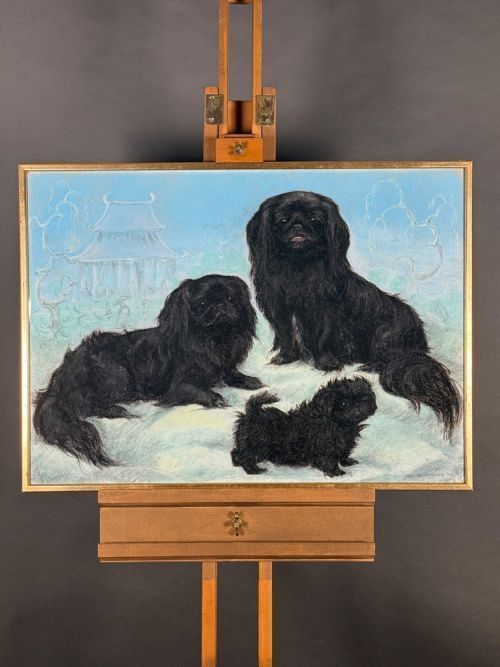
Among the portraits of officers and landscapes, three black Pekingese dogs gaze out from a mid-century paper drawing.
Assessing quality
Quality rests upon the sureness of the draughtsmanship and the artist's ability to capture form and expression economically through loose or controlled marks. Works by listed professional artists demonstrate superior control over texture, proportion, and the interaction of light across skin, foliage, or water.
The integrity of the preservation directly affects the visual strength of the piece, particularly regarding how well the friable pigment remains fixed to the paper surface beneath its protective glass frame.
Angus Rands·Robert Leslie Howey·Frank Dobson·Samuel Rabin·John Rattenbury Skeaping·Cecil Charles Windsor Aldin·Aubrey Sykes
The Vintage Pastel Drawing Glossary
- Pastel
- A dry artistic medium composed of powdered pigment and a binder, rolled into sticks for direct application to paper or canvas.
- Gouache
- An opaque water-based paint often used alongside pastel to add solid highlights and sharp definition to a drawing.
- Fixative
- A liquid spray applied to pastel drawings to prevent the loose pigment particles from smudging or shedding over time.
- Giltwood
- Wood carved and coated with gold leaf or gold paint, frequently used for traditional picture framing during the nineteenth and early twentieth centuries.
Vintage Pastel Drawing: Frequently Asked Questions
How should I hang a vintage pastel drawing?
Position the framed artwork away from direct sunlight to prevent the delicate pigments from fading over the years.
Ensure the room maintains stable humidity levels so the paper support and wooden frame remain protected against moisture damage.
Are these works original or prints?
Every piece featured in this selection is a unique original artwork created by hand using dry pigment and other mixed media.
You can observe the individual texture of the strokes and the natural accumulation of pigment across the paper surface.
Why are pastels often framed under glass?
Pastel pigment sits loosely on the surface of the paper and lacks the durable protective binder found in oil or acrylic paints.
Glass provides an essential physical barrier against dust, accidental smudging, and atmospheric pollutants that could otherwise disturb the delicate application.
How do I identify the period of a drawing?
Examine the framing style, the type of paper support utilised, and any signature or stylistic cues that connect the work to specific twentieth-century movements.
Subject matter and clothing styles depicted in portraits also offer reliable clues to determine the era in which the artist worked.