

Vintage Paste Jewellery
Vintage paste jewellery brings together centuries of hand-cut glass stones set in silver and gold, offering the brilliance of fine gems without the modern formality.
Vintage Paste Jewellery
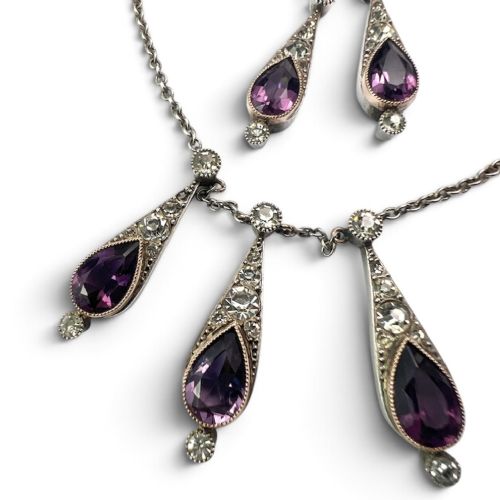
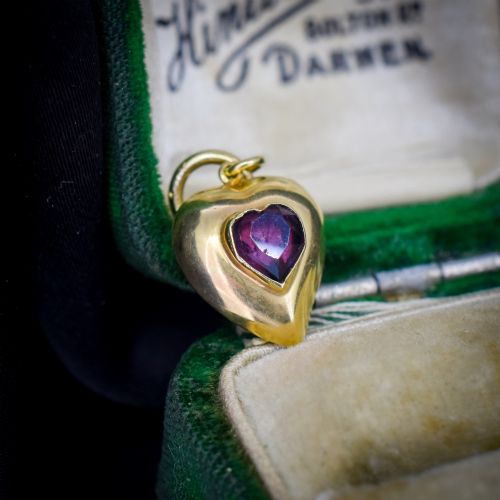
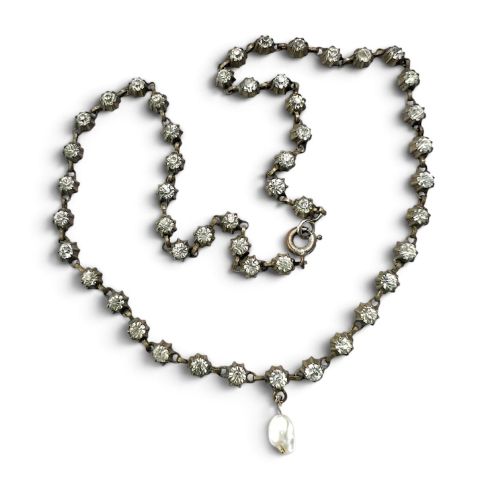
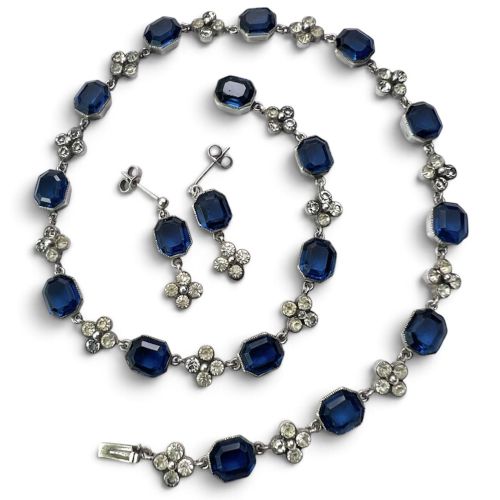
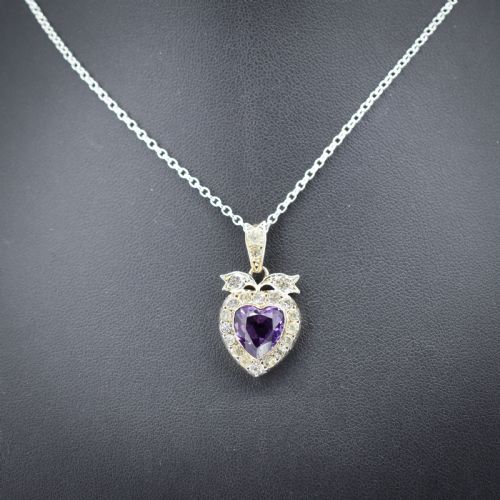
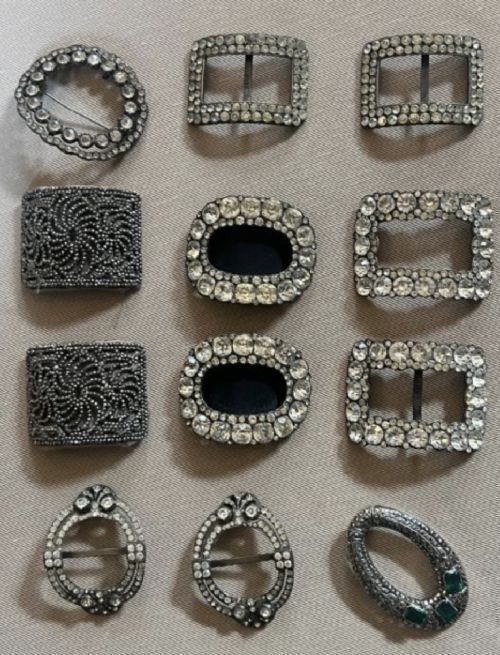
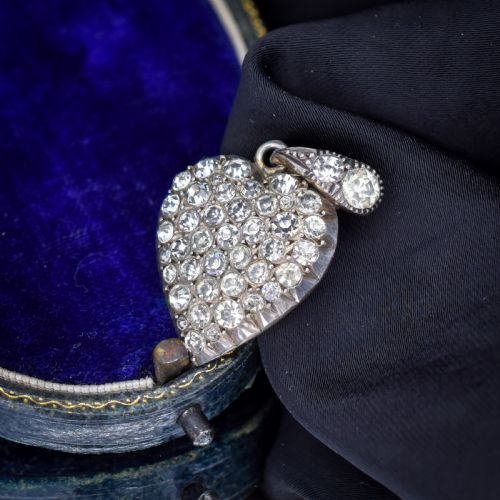
Vintage paste jewellery comprises decorative items set with lead glass designed to imitate precious gemstones like diamonds, amethysts, emeralds, and sapphires. When searching this phrase, buyers encounter forms ranging from Georgian shoe buckles to Art Deco drop earrings and Victorian puffy heart pendants.
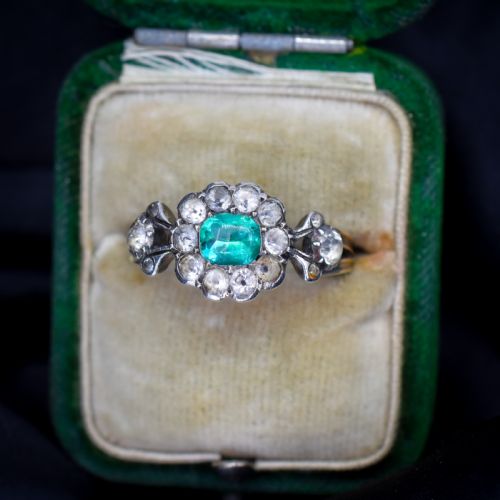
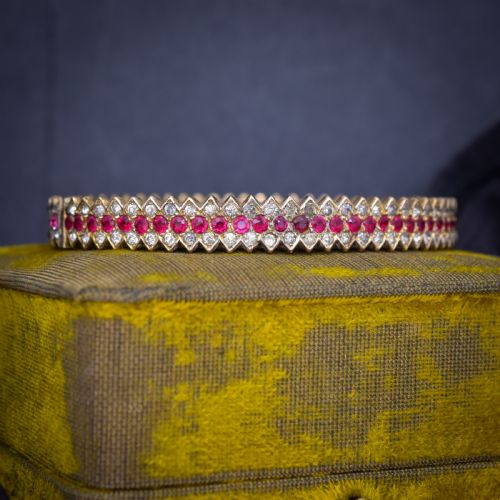
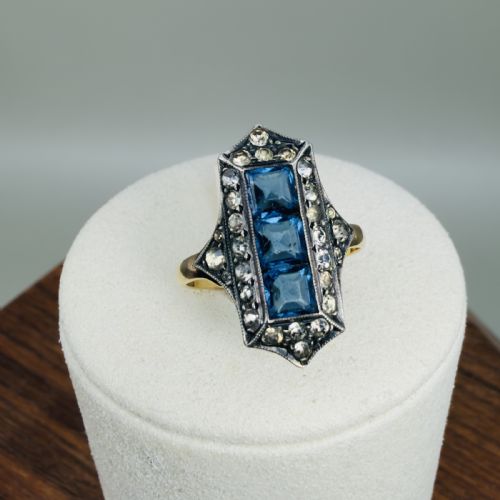
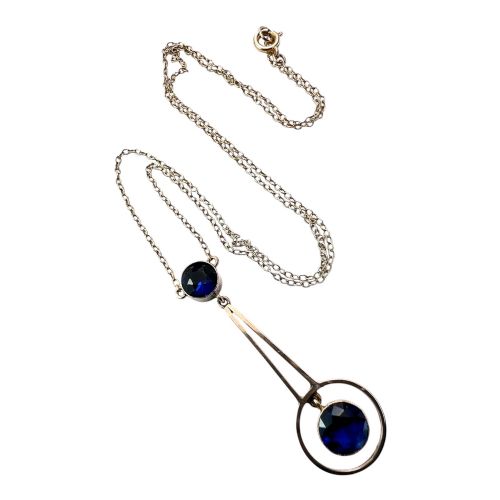
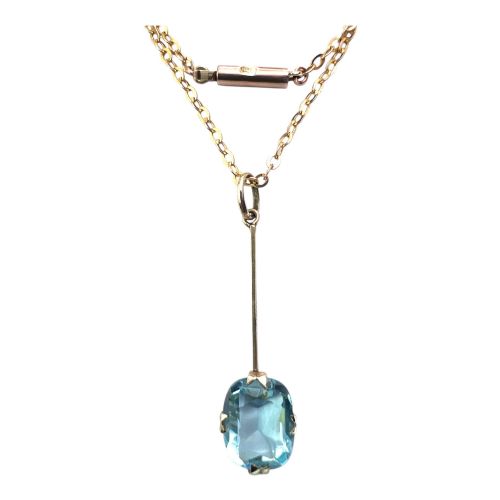
The pieces appearing here span eras from the Georgian period through the Edwardian and Art Deco years into the mid-twentieth century. Earring sets, lockets, bangles, and cluster rings dominate the selection, utilising silver, gold, and sterling silver settings.
Makers and artisans across these centuries shaped glass paste into intricate chokers, brooches, and swivel eternity bands. The resulting items demonstrate how historical jewellers utilised lead glass to achieve deep colour and sharp facets.
How they were made
Craftsmen produced paste stones by melting lead glass and pouring it into moulds or cutting the cooled material by hand to mimic genuine gemstones. These stones were then foiled at the back to enhance light reflection before being secured in metal settings.
Metalwork for these pieces relied heavily on silver, sterling silver, and gold, including nine-carat and eighteen-carat varieties. Artisans employed filigree techniques, silver gilt, and closed-back settings to frame the glass components securely.
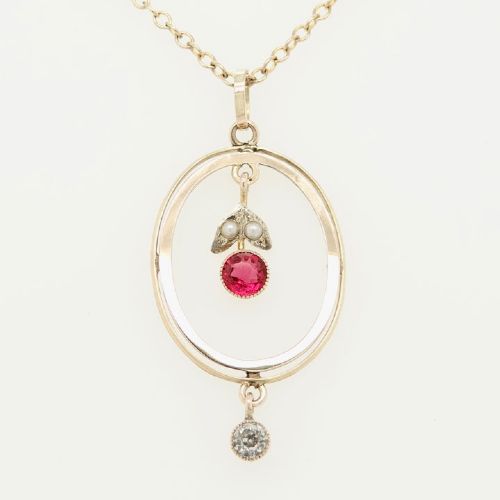
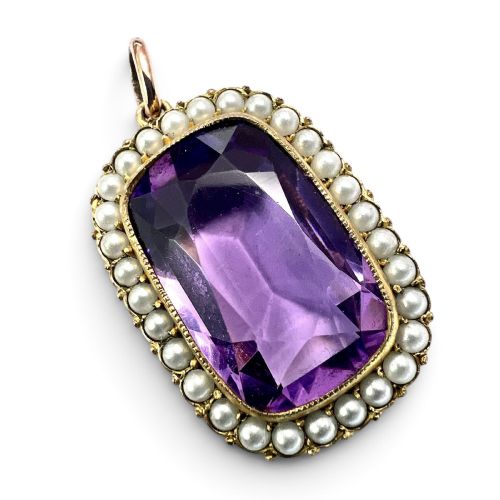
Earrings, pendants, and rings often integrated seed pearls, foil-backed stones, and delicate pin mechanisms. Each era brought specific mounting methods, from Georgian steel filigree to Edwardian bow lockets.
Vintage Paste Jewellery Retail Price Guide 2026
Typical asking prices for vintage paste jewellery among the pieces listed under this phrase on Sellingantiques today, from the lower quarter to the upper quarter. They describe what is for sale here now, not the wider market.
Current listings feature pieces spanning the Georgian, Victorian, Edwardian, and Art Deco periods, created in silver, gold, and glass paste.
What varies in quality
Quality in paste pieces rests on the precision of the stone cutting and the integrity of the foil backing behind the glass. Hand-cut old stones with crisp facets and intact foils project a sharper brilliance than machine-moulded later replacements.
The durability and finesse of the metal mounting further distinguish finer examples. Heavy sterling silver, solid gold components, and intricate hand-wrought filigree indicate higher workshop standards than simpler base metal alternatives.
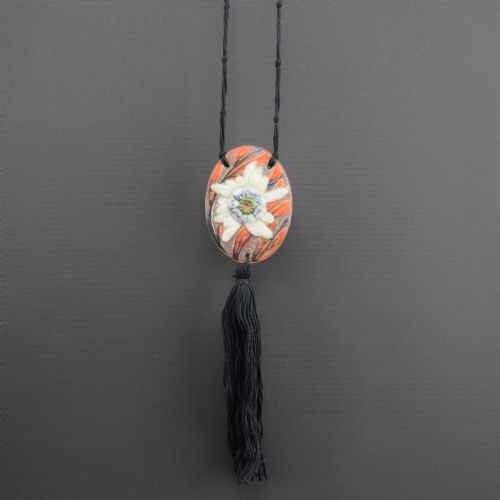
Knoll and Pregizer
The Vintage Paste Jewellery Glossary
- Paste
- Hand-cut or moulded lead glass utilised in historical jewellery to imitate diamonds and coloured gemstones. It offers high refractive index and weight similar to real stones.
- Foil back
- A thin layer of reflective metal placed behind a transparent paste stone to increase its sparkle and depth of colour. This technique was standard practice in Georgian and Victorian workshops.
- Puffy heart
- A hollow, three-dimensional heart-shaped pendant popular during the Victorian and Edwardian periods. These pieces are frequently set with paste stones or engraved with floral motifs.
- Old cut
- Faceting styles applied to stones before the standardisation of modern brilliant cuts. These cuts feature smaller tables and larger culets, catching candle and gas light effectively.
- Shoe buckle
- A large removable fastener worn on footwear during the eighteenth century. Georgian examples often feature steel filigree frames encrusted with numerous paste crystals.
Vintage Paste Jewellery: Frequently Asked Questions
What is vintage paste jewellery?
Vintage paste jewellery consists of historical ornaments set with heavy lead glass designed to replicate diamonds, rubies, sapphires, and emeralds. These pieces were valued in their own right for artistic metalwork rather than solely as substitutes for precious gems.
Craftsmen across the Georgian, Victorian, and Art Deco eras shaped these glass stones by hand, mounting them in silver and gold to create durable rings, brooches, and necklaces.
How do I date paste jewellery?
Dating paste items involves examining the cut of the glass, the construction of the metal setting, and the fastening mechanisms used. Georgian and early Victorian pieces frequently utilise closed-back settings and foil backing behind hand-cut stones.
Later Edwardian and Art Deco designs introduce open-back settings, geometric platinum or silver mountings, and screwback earring fittings that reflect the manufacturing shifts of the twentieth century.
Are paste stones made of real glass?
Paste stones are indeed formed from high-lead glass, which provides extra weight and a higher refractive index than standard window glass. This specific composition allows the material to be faceted and polished to capture light much like a genuine gemstone.
Historical makers added metallic oxides to the molten glass mixture to achieve deep, convincing hues of amethyst, emerald, and sapphire.
How should I care for paste jewellery?
Paste jewellery requires gentle handling because historical glass stones and their foil backings are sensitive to moisture. Submerging these items in water can cause liquid to seep behind the foil, ruining the reflective quality of the stone.
Cleaning should be limited to a soft, dry cloth to remove dust from the silver or gold settings without disturbing the delicate stone mounts.