


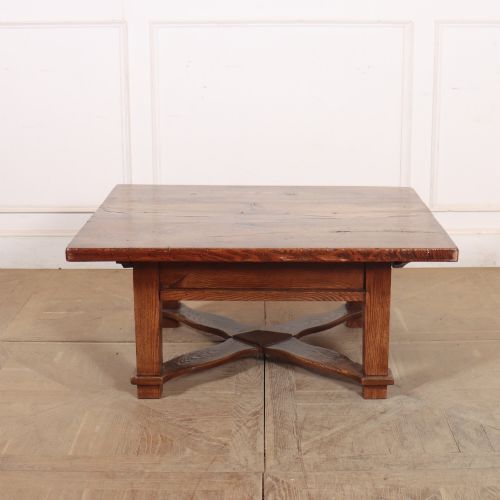


Vintage Parlour Furniture
These vintage parlour furniture pieces bring period character into a room, offering practical seating and display from the Victorian, Edwardian, and earlier eras.
Vintage Parlour Furniture
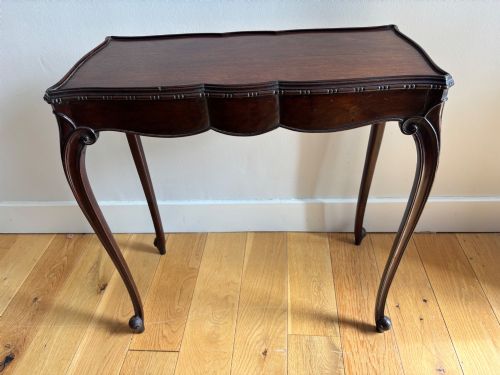
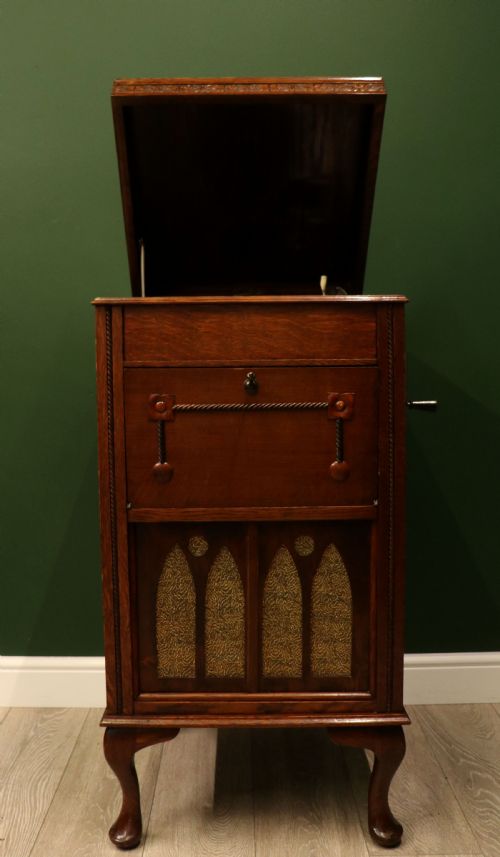
Vintage parlour furniture encompasses the seating, tables, and cabinets designed for reception rooms across the nineteenth and early twentieth centuries. Pieces span substantial salon suites, settees, and occasional tables intended for formal entertaining.
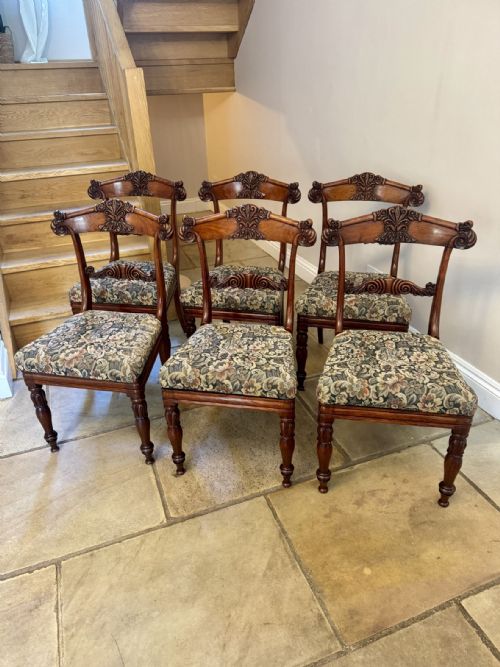
The selections most frequently encountered on this page belong to the Edwardian and Victorian periods, alongside earlier nineteenth-century examples. Forms range from inlaid mahogany cabinets to rosewood dining chairs and oak salon suites.
Makers utilised various regional aesthetics, yielding items from French Neoclassical painted bergère sofas to Austrian elm coffee tables and Chinese inlaid hardwood suites.
Materials and construction
Makers built these pieces primarily using dense timbers such as mahogany, rosewood, oak, and satinwood, frequently enhanced with boxwood inlay. Structural integrity often relied on traditional joinery paired with carved details.
Upholstered items combined timber frames with supportive textiles, employing fabrics like damask for seating suites, armchairs, and settees. Metal elements such as brass appeared in hardware and fittings.
Display cabinets and salon pieces integrated glass panels to showcase china and ornaments, while bentwood techniques produced lighter seating options.
The inventory spans multiple periods, including the eighteenth century, Regency, Victorian, Edwardian, and Art Nouveau eras.
What sets pieces apart
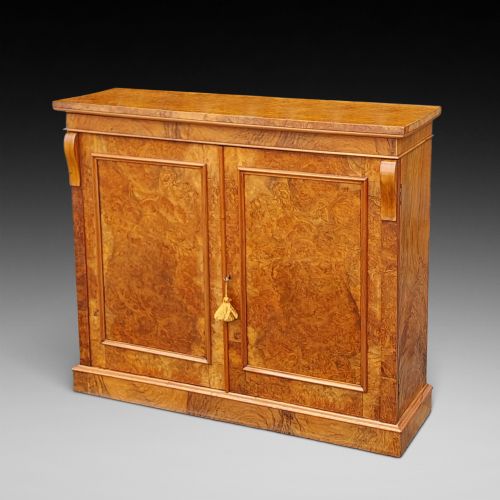
Construction methods and timber selection drive the distinction between standard examples and finer works. Figured veneers, such as burr walnut or burr birch, elevate the visual presence of cabinets and suites.
The precision of inlaid decoration and hand-carved woodwork dictates the overall refinement of a piece. Original upholstery textiles and intact caned panels also influence the character of seating.
U Phone of Leeds·Baumann
The Vintage Parlour Furniture Glossary
- Salon suite
- A matched set of seating and occasionally tables designed for a formal reception room. These groupings often include a settee and matching armchairs.
- Occasional table
- A small, movable table intended for specific, minor tasks such as holding a lamp or reading material. They appear frequently in Edwardian formats.
- Inlay
- A decorative technique where contrasting woods or materials like boxwood are inserted into recesses in the primary surface. This method creates geometric or floral patterns.
- Bergère
- An enclosed upholstered armchair with wooden framing and typically cane sides or back panels. Originating in France, these forms persisted into the nineteenth century.
- Court cupboard
- A traditional enclosed piece of furniture used for storage and display, usually constructed from oak. These items date to earlier historical periods.
Vintage Parlour Furniture: Frequently Asked Questions
What is vintage parlour furniture?
Vintage parlour furniture refers to seating, tables, and cabinets created for the formal reception rooms of nineteenth and early twentieth-century homes. These items include salon suites, occasional tables, and display cabinets.
They reflect the aesthetic movements of their respective decades, incorporating styles from Victorian revival to Art Nouveau and Arts and Crafts design.
How do I identify Edwardian pieces?
Edwardian items typically feature lighter timbers such as satinwood and mahogany, often accented with delicate boxwood inlay. The aesthetic leans towards refined elegance rather than heavy Victorian ornamentation.
Look for inlaid occasional tables, rosewood cabinets, and upholstered armchairs dating around the turn of the twentieth century.
Where were salon suites used?
Salon suites served as the primary seating arrangement in the formal parlour or drawing room of a home. Households used these spaces to receive guests and host social gatherings.
Consequently, the pieces prioritised decorative impact alongside comfortable seating through coordinated chairs and settees.
How do I care for rosewood?
Rosewood surfaces benefit from minimal interference, requiring only a soft, dry cloth to remove dust. Avoid placing these items in direct sunlight or near heat sources to prevent timber splitting.
Maintaining stable indoor humidity preserves both the wood and any delicate inlaid details.