
Vintage Paper Art
Vintage paper art spans delicate watercolours, robust etchings, and detailed prints spanning multiple centuries.
Vintage Paper Art
Vintage paper art encompasses a diverse range of works on paper, spanning original drawings, watercolours, and historical prints. When searching for vintage paper art, buyers encounter everything from Georgian engravings to mid-century pastels and watercolours.
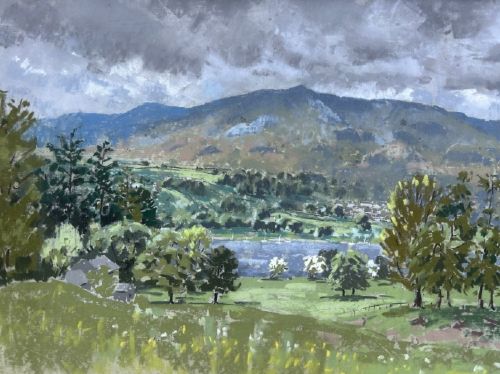
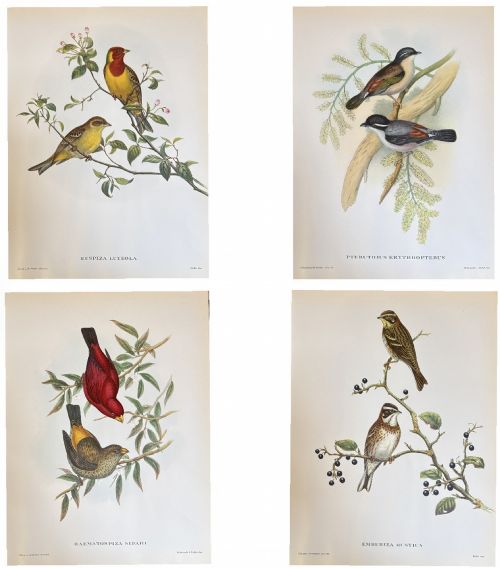
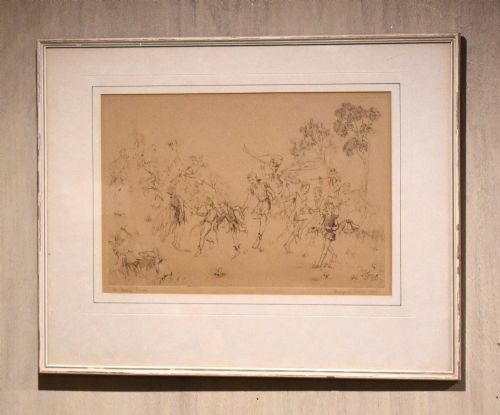
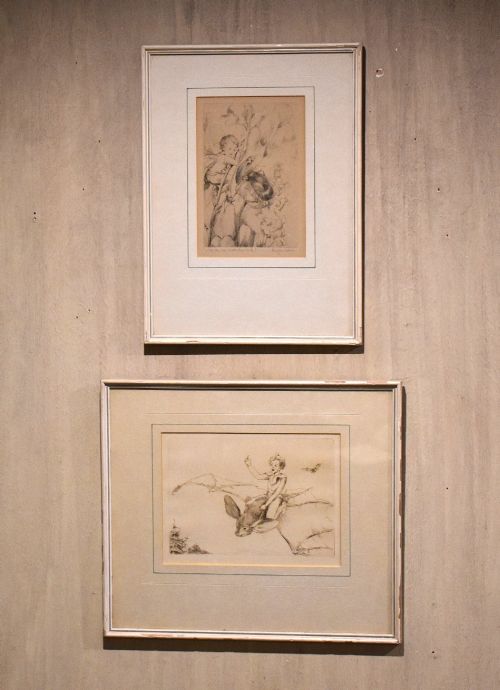
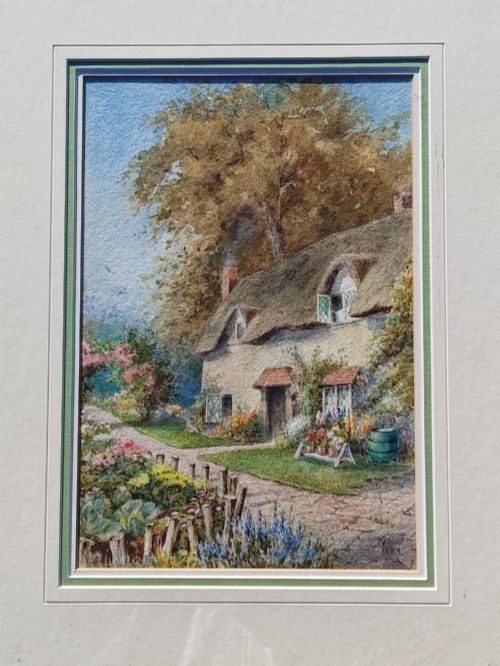
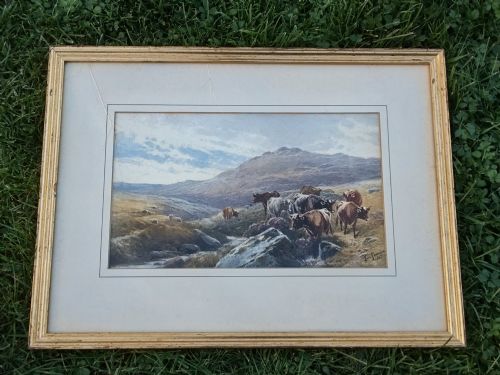
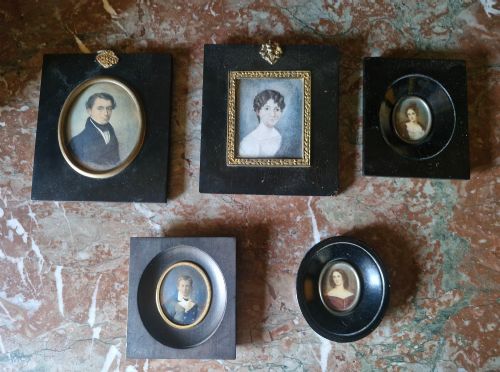
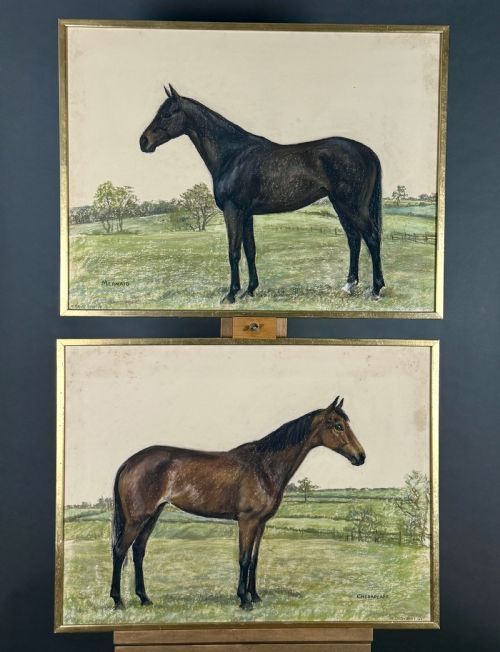
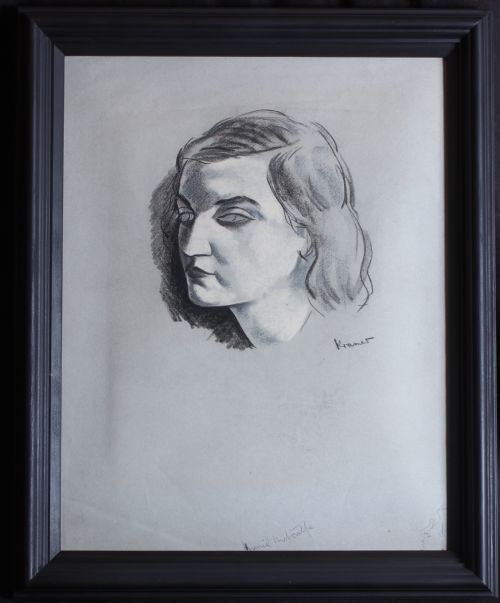
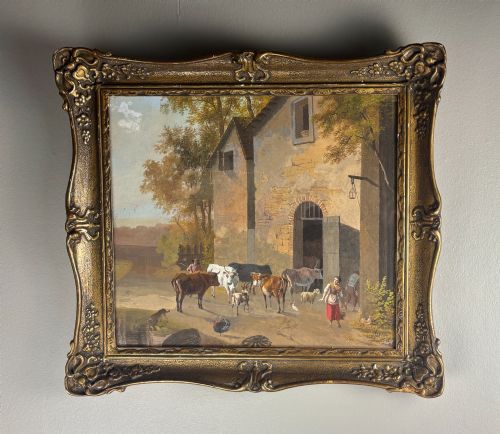
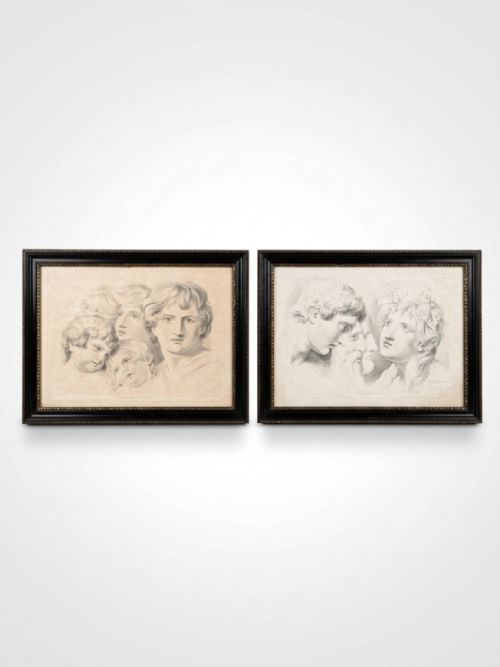
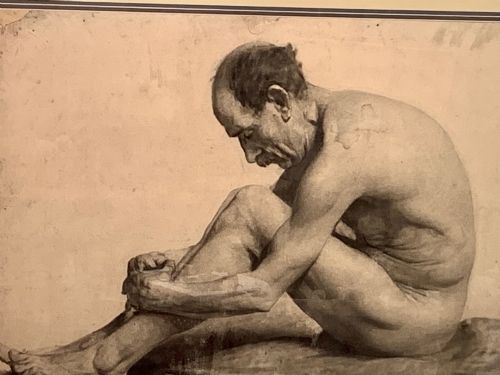
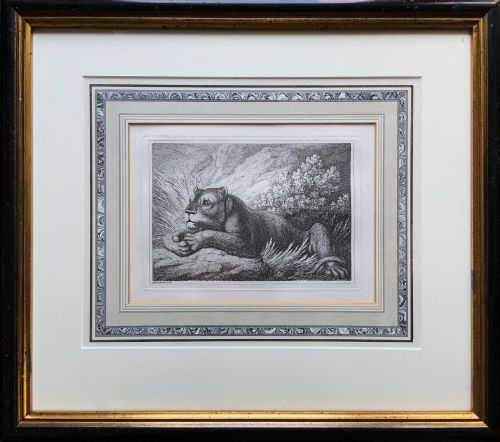
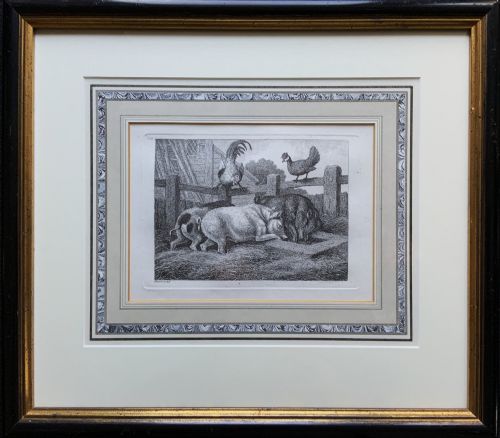
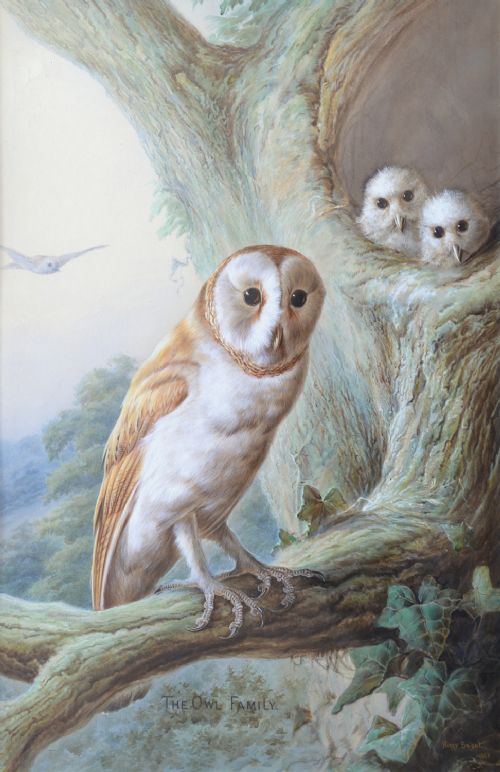
The most common formats on this page include framed watercolours, original ink drawings, and period engravings depicting landscapes, portraits, and natural history studies. These items frequently originate from British, European, and Asian workshops across the eighteenth, nineteenth, and twentieth centuries.
How they were made
Makers utilised traditional mediums such as watercolour pigment, pastel, charcoal, and ink applied directly to various paper supports. Printmakers employed techniques including etching, engraving, lithography, and mezzotint, often working on handmade rag paper.
Many works incorporate wooden frames and protective glass, preserving delicate pigments and fragile paper substrates from environmental damage over decades or centuries.
Listings feature works created across the eighteenth, nineteenth, and twentieth centuries, utilising ink, pastel, and watercolour on paper.
What varies in quality
Quality in these works rests upon the strength of the draughtsmanship, the vibrancy of surviving pigments, and the clarity of the printed impression. Original hand-painted watercolours and signed etchings command attention through the artist's assured handling of line and tone.
The condition of the paper itself dictates value, where clean sheets without heavy foxing or fading reflect careful preservation. Additionally, the quality of contemporary or period framing contributes significantly to the overall presentation of the piece.
Angus Rands·Marjorie L Davies·Thomas Rowden·Jacob Kramer·Samuel Howitt·Harry Bright·George Lorain Stampa
The Vintage Paper Art Glossary
- Etching
- An intaglio printmaking process where lines are bitten into a metal plate with acid before being inked and pressed onto paper. This technique produces fine, highly detailed linear work.
- Mezzotint
- A tonal printmaking method where the copper plate is roughened to achieve rich dark areas and scraped to create highlights. It was widely utilised for reproducing oil paintings during the eighteenth century.
- Pith painting
- A delicate form of artwork produced on a spongy plant material native to China, featuring vibrant gouache pigments. These works typically depict figures, flora, and fauna.
- Silhouette
- A solid shape of a subject filled in with a single colour, usually black, outlined or cut from paper. They appear as painted profiles or detailed cut-paper compositions.
- Lithography
- A planographic printing process based on the repulsion of oil and water, enabling the reproduction of illustrations and text. It became a primary method for producing mass visual media in the nineteenth century.
Vintage Paper Art: Frequently Asked Questions
How should I hang vintage paper art?
Keep works away from direct sunlight and damp environments to protect the fragile paper fibres and water-soluble pigments.
Utilise professional framing with acid-free mounts to ensure the paper remains separated from the glass over time.
Are these works original or reproductions?
The selection includes both unique handmade drawings and historical print editions produced by artists and printmakers. Engravings and etchings are period printed impressions rather than modern photographic reproductions.
Watercolours, pastels, and ink studies are entirely hand-drawn original works executed by the named artist.
How do I identify the period of a piece?
Examine the paper type, watermark, framing style, and the subject matter to establish a chronological baseline. Stylistic indicators, such as Victorian natural history illustration or Art Deco aesthetics, provide further dating clues.
Signatures, inscriptions, and artist dates recorded in the titles often confirm the exact era of creation.
Can I remove art from old frames?
Opening historic frames risks damaging fragile paper, acidic backing boards, and original seals. Leave historic mountings intact whenever possible to preserve the integrity of the piece.