


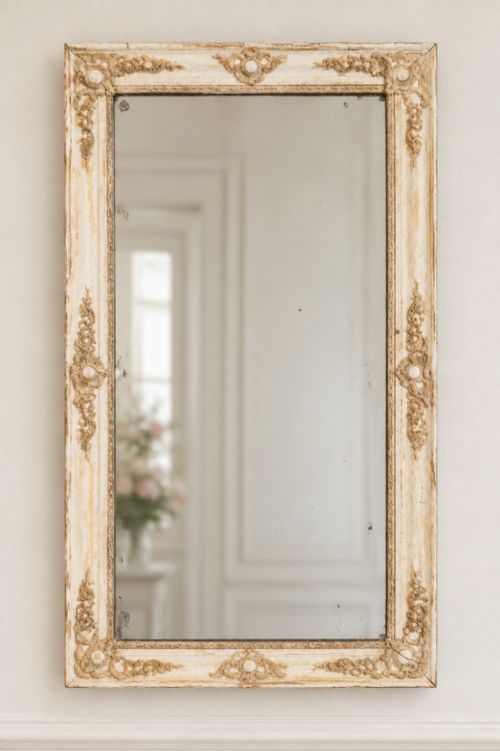
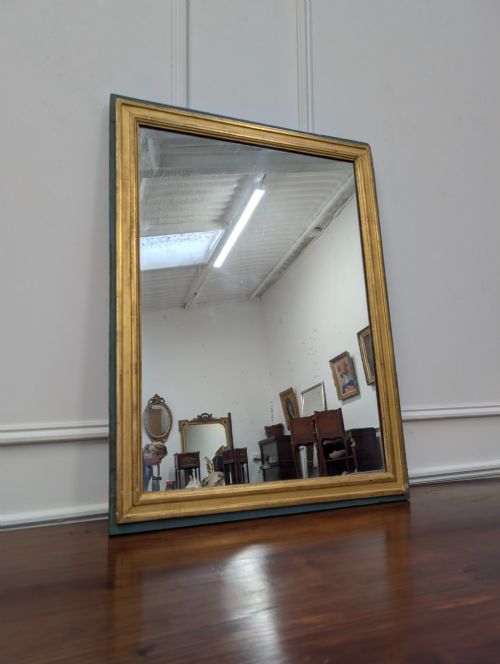
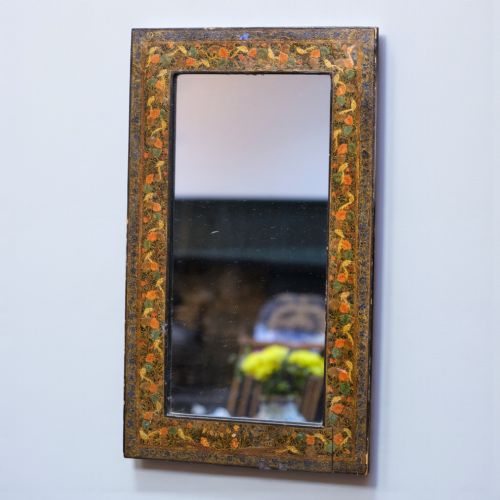
Vintage Painted Wood Mirror
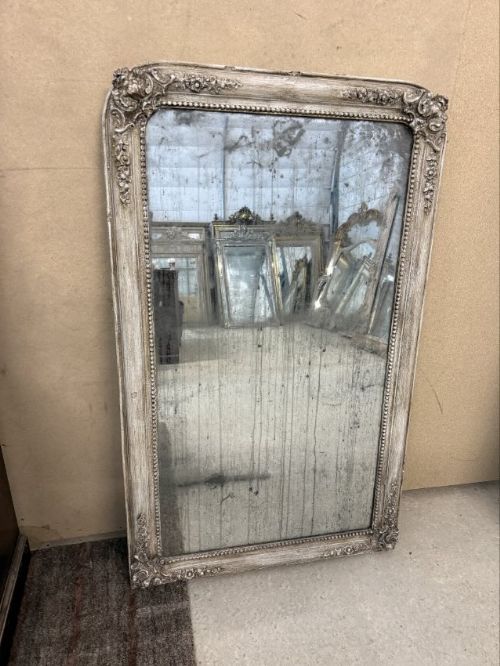
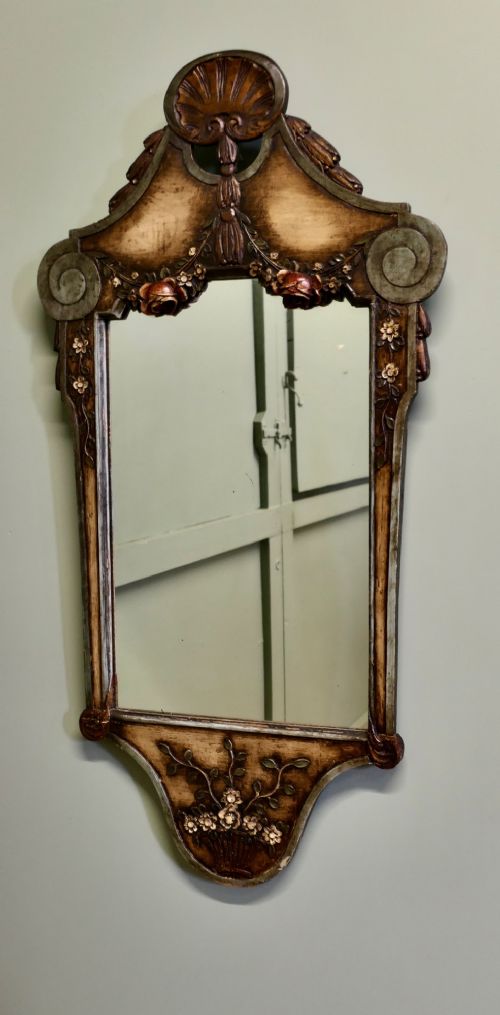
A vintage painted wood mirror brings warmth and decorative depth to a room through coloured pigment and carved detail.
Vintage Painted Wood Mirror
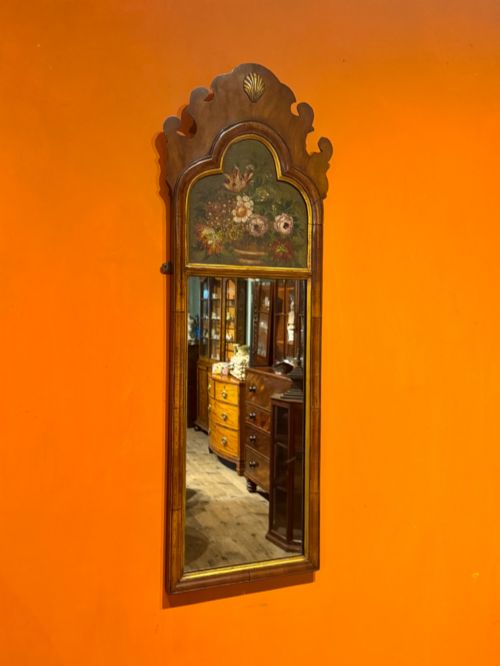
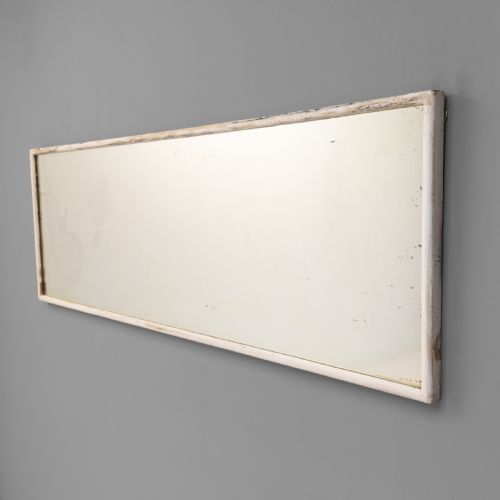
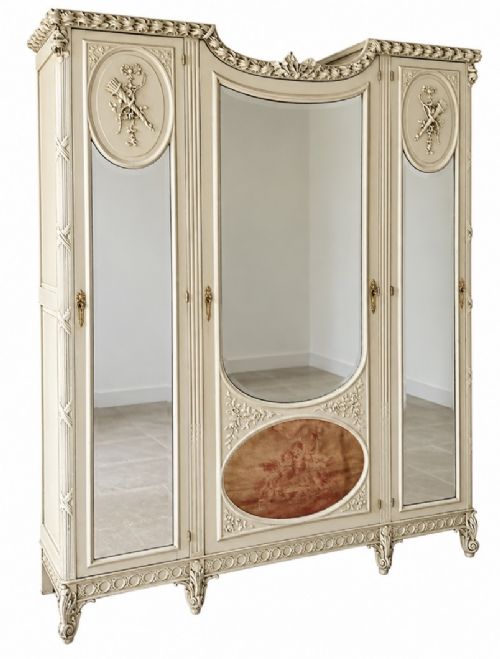
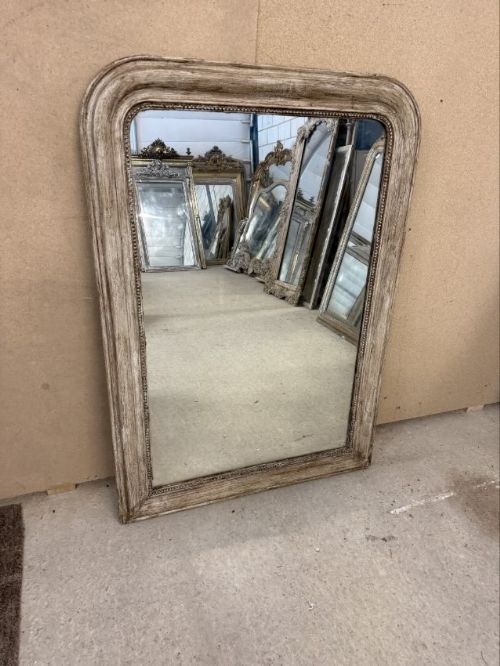
A vintage painted wood mirror serves as both a reflective surface and a decorative wall piece, drawing on styles from the nineteenth and early twentieth centuries. These pieces range from simple wall mirrors to large overmantel mirrors and tall cheval mirrors, often reflecting French, Italian, or English design influences.
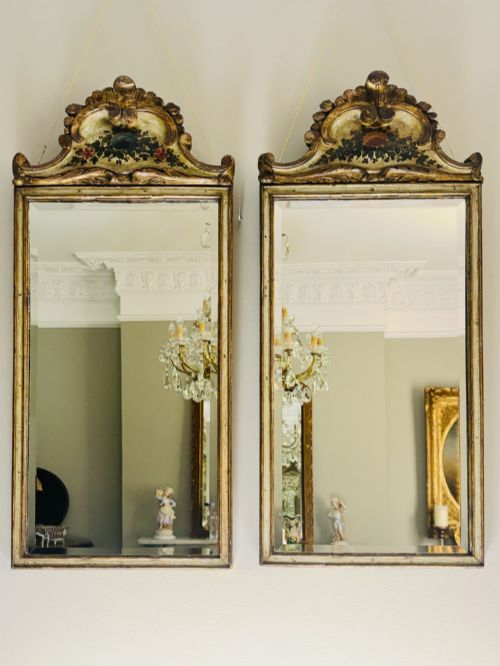
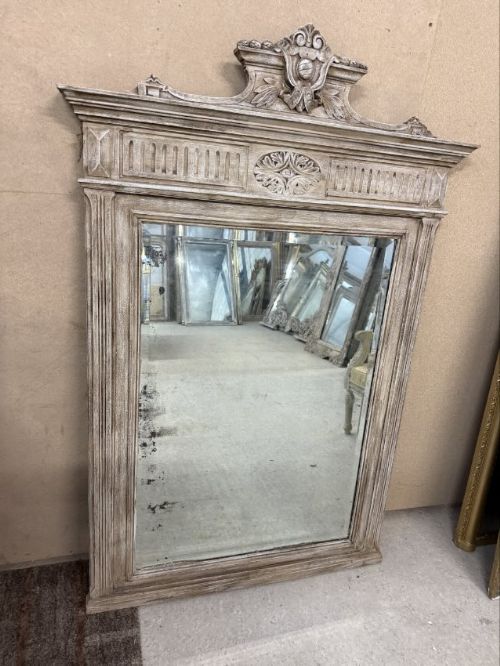
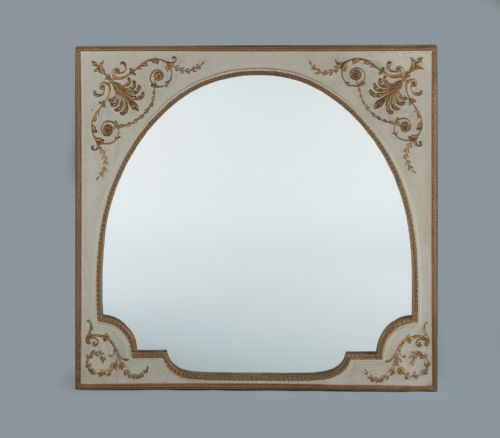
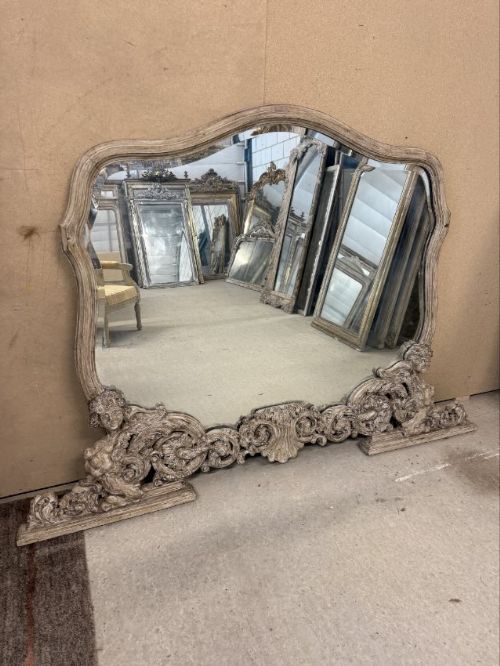
The version most commonly encountered in this selection is the nineteenth-century wall mirror or overmantel piece, featuring carved wood and painted or gilt surfaces. Many examples incorporate floral motifs, ribbon crests, or traditional architectural framing.
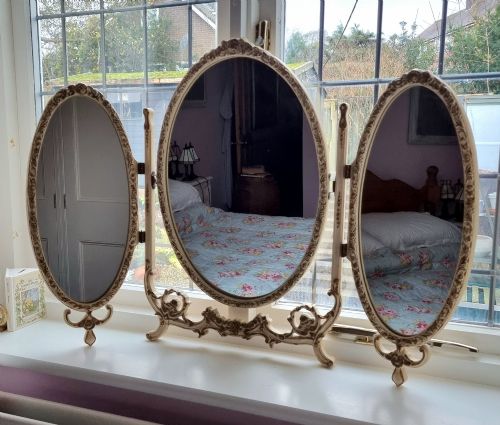
Beyond standard wall mirrors, the selection includes specialised forms such as trumeau mirrors, pier glasses, and cheval mirrors. These varied formats provide options for different interior spaces, from grand living rooms to bedrooms.
Materials and construction
The construction of these pieces relies primarily on solid wood frames, often layered with gesso to create smooth surfaces for carving and decorative relief. Craftspeople applied paint, gold leaf, or giltwood finishes over the gesso base to achieve rich colour and texture.
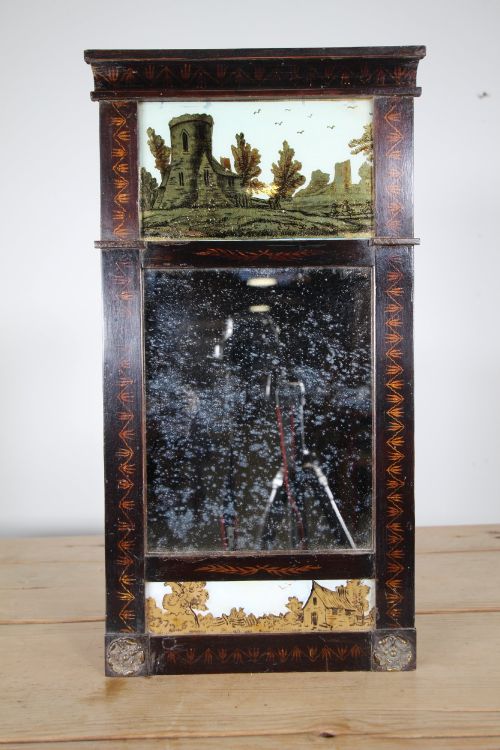
Mirror glass was set into these carved and painted frames, frequently accompanied by hand-painted floral details, maritime scenes, or lacquer work in styles such as Chinoiserie. The combination of painted wood and reflective glass created decorative objects designed to catch and reflect light within a room.
Vintage Painted Wood Mirror Retail Price Guide 2026
Typical asking prices for vintage painted wood mirror among the pieces listed under this phrase on Sellingantiques today, from the lower quarter to the upper quarter. They describe what is for sale here now, not the wider market.
Regional styles represented include French Chateau, Italian Rococo, Edwardian, and Chinoiserie designs.
Assessing quality
The standard of a vintage painted wood mirror depends upon the depth and execution of the carved wood and gesso ornamentation. Finer examples display crisp detail in floral motifs, ribbon crests, and moulded frames rather than softened or flattened relief.
Quality also rests in the preservation of the original paint, gilt, and gold leaf layers. Pieces retaining their authentic surface finish without heavy modern overpainting demonstrate greater integrity and historical character.
The Vintage Painted Wood Mirror Glossary
- Trumeau mirror
- A decorative mirror designed to fit into wall panels or above a mantelpiece, often incorporating a painted panel or artwork above the glass.
- Gesso
- A plaster mixture applied to wood frames to create a smooth surface for carving, painting, or gilding.
- Pier glass
- A tall mirror specifically designed to hang on the narrow section of wall between two windows.
- Cheval mirror
- A freestanding full-length mirror mounted in a frame that allows the glass to swing or tilt.
- Giltwood
- Wood that has been coated with gold leaf or a gold-coloured finish.
- Chinoiserie
- European decorative style incorporating imitated Chinese artistic motifs, often seen in lacquered or painted finishes.
Vintage Painted Wood Mirror: Frequently Asked Questions
How do I clean a vintage painted wood mirror?
Dust the painted wood frame gently with a dry, soft cloth to protect the surface finish.
Clean the glass with a mild glass cleaner applied to a cloth rather than sprayed directly onto the frame.
Where should I hang an overmantel mirror?
An overmantel mirror sits naturally above a fireplace mantel, anchored securely to the wall to support its weight.
It can also be placed above a sideboard or low console table to reflect light and open up a room.
How can I tell the period of a mirror?
Examine the construction methods of the wood frame, the backing materials, and the style of the carving.
Stylistic details such as Victorian gesso work, Edwardian lacquer, or French Rococo curves help narrow down the date.
Are these mirrors heavy to hang?
Many large wooden and gesso frames carry substantial weight due to the density of the timber and glass.
Proper wall anchors and professional installation are recommended to secure heavier pieces safely.