






Vintage Painted Timber Mirror
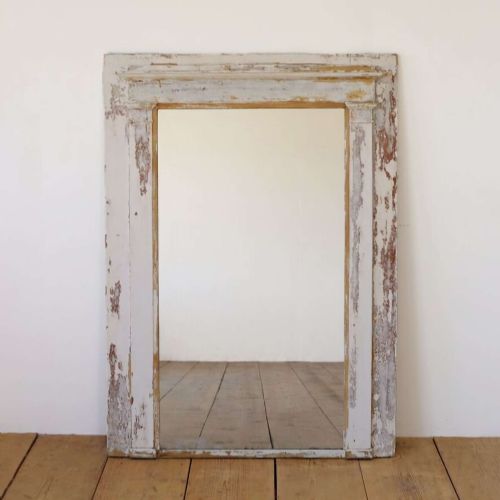
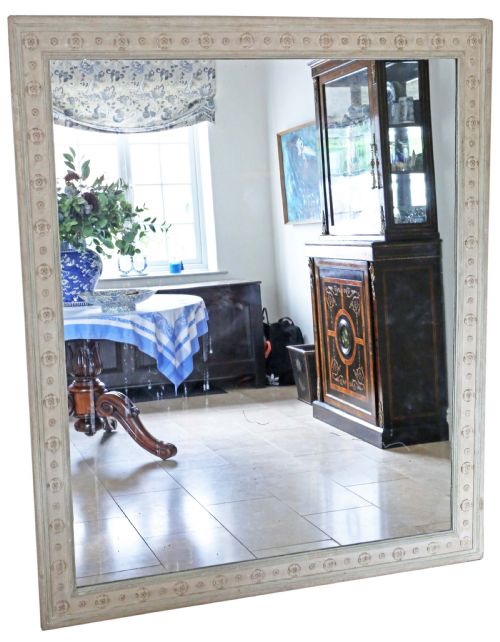
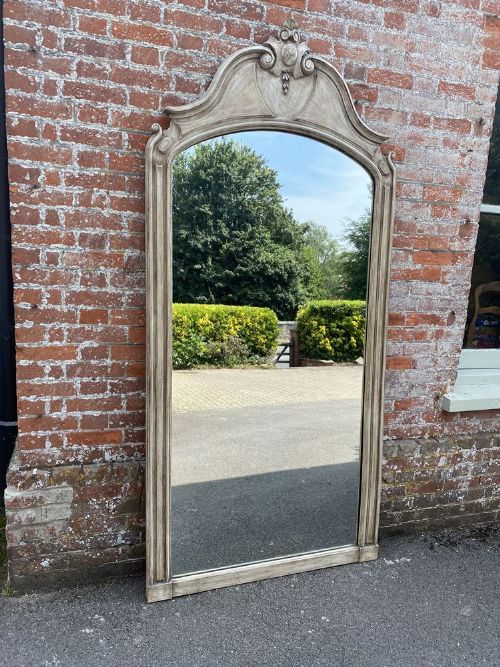
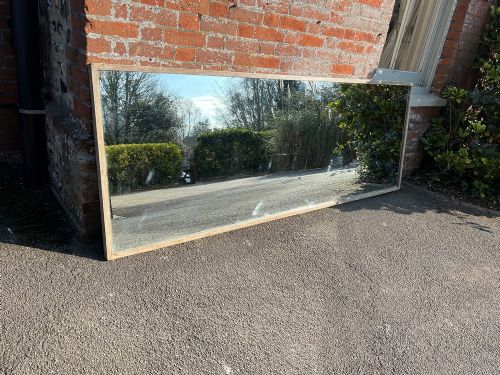
These vintage painted timber mirror examples combine functional glass with decorative painted wood frames, offering character for domestic spaces.
Vintage Painted Timber Mirror
When searching for a vintage painted timber mirror, you encounter large wall pieces, dressing mirrors, and bistro or cinema advertising boards framed in wood. These items originate from various periods including the nineteenth and early twentieth centuries.
The selections span French provincial, French country, English country, and Victorian aesthetics alongside fairground art. Many items feature carved wooden frames finished with paint, gesso, or gold leaf.
You are most likely to meet substantial French carved wooden mirrors with painted surfaces alongside English country variants and early twentieth-century boards. These objects serve practical reflection needs while functioning as prominent wall decor.
How they were made
Frames are constructed from timber and carved wood, often finished with layers of paint, gesso, and gold leaf to achieve decorative surfaces. Artisans shaped these wooden structures into architectural arches, oval profiles, and shaped tops.
Glass plates are set within these painted timber surrounds, sometimes exhibiting distress from age. The combination of carved woodwork, applied paint, and glass creates the finished object.
Vintage Painted Timber Mirror Retail Price Guide 2026
Typical asking prices for vintage painted timber mirror among the pieces listed under this phrase on Sellingantiques today, from the lower quarter to the upper quarter. They describe what is for sale here now, not the wider market.
Some mirrors share platform space with spirited fairground boards, proving that timber frames had fun before settling down.
What varies in quality
Quality differences lie in the depth and execution of the wood carving across the frame. Elaborate nineteenth-century French empire and bistro pieces demonstrate different levels of sculptural detail compared to simpler plain mirrors.
The harmony between the original timber structure, the carved ornamentation, and the condition of the painted surface dictates the character of each piece. Scale also varies, with very large formats requiring robust joinery to support heavy glass plates.
The Vintage Painted Timber Mirror Glossary
- Parcel gilt
- Part gilt or partially gilded woodwork where gold leaf highlights specific carved details on a painted timber surface.
- Gesso
- A plaster-like mixture applied to wood frames as a base for paint or gold leaf application.
- Bistro mirror
- A large wall mirror originally utilised in commercial French dining establishments, often featuring a painted timber frame.
- Fairground art
- Painted timber boards and decorative elements created for entertainment venues and fairgrounds during the early twentieth century.
- French provincial
- A regional style reflecting the domestic furnishings of French provinces, typically characterised by painted wood and modest carving.
Vintage Painted Timber Mirror: Frequently Asked Questions
How do I hang a heavy painted timber mirror?
These large wall mirrors require secure fixings anchored directly into wall studs or masonry due to their substantial timber frames and glass plates. Using professional mirror brackets distributes the considerable weight safely.
Ensure the hanging wire or D-rings on the back of the carved wood frame match the selected wall fixings for stability.
Are these mirrors suitable for bathrooms?
Historic painted timber surfaces respond sensitively to high humidity and moisture fluctuations found in typical bathrooms. Placing them in drier hallways, living rooms, or bedrooms preserves the wood and paint.
Good ventilation helps, but steam can affect both the timber frame and the historic silvering on the glass plate.
How do I clean a vintage painted frame?
Dust the carved wood and painted surfaces gently with a dry, soft cloth to remove everyday particles. Avoid harsh chemical cleaners or excess water that might damage the paint layers.
Preserving the original painted finish requires minimal intervention and gentle handling during routine maintenance.
What defines a French bistro mirror?
Bistro mirrors were originally utilised in nineteenth-century French refreshment establishments to create a sense of light and space. They typically feature generous proportions and painted timber frames designed for commercial interiors.
Their robust construction and practical scale make them popular for domestic hallways and living spaces today.
How do I distinguish French and English styles?
French pieces often display decorative carved flourishes, shaped tops, and painted finishes associated with provincial, chateau, or empire aesthetics. English country alternatives tend toward simpler timber profiles.
Examining the carving style and frame proportions helps identify the regional origin of each piece.