





Vintage Painted Shop Display
These vintage painted shop display pieces bring commercial character into domestic rooms through trade signs, counters, and cabinets bearing decades of original patina.
Vintage Painted Shop Display
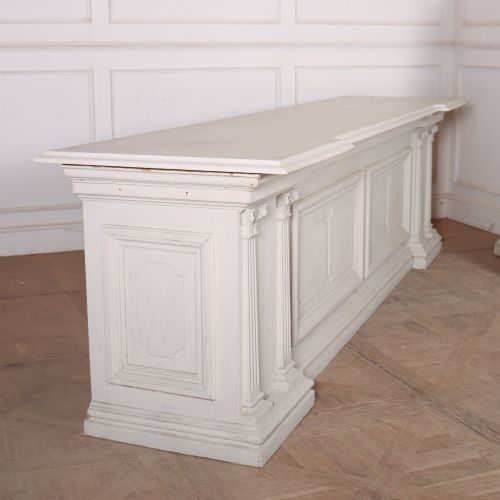
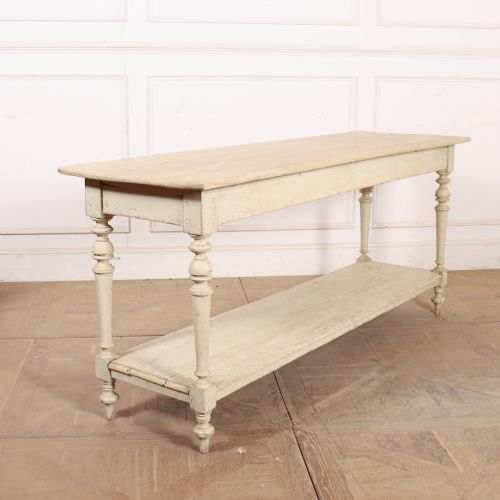
A vintage painted shop display encompasses commercial counters, drapers tables, multi-drawer fittings, and trade figures originating from the nineteenth century up to the Art Deco period.
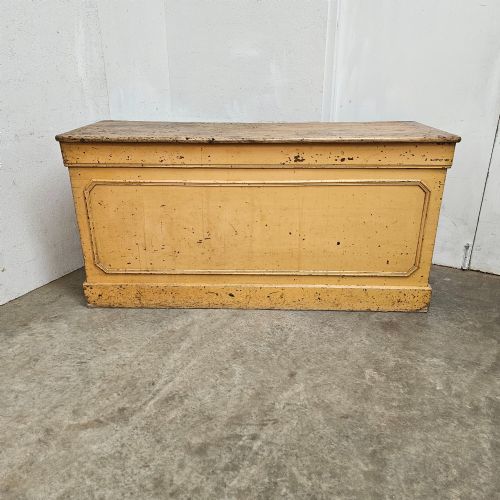
Buyers seeking this phrase encounter practical furniture like pine shop counters and banks of drawers, alongside advertising figures, trade signs, and glass jars.
Originating from English, French, and Italian commercial premises, these items combine utilitarian function with the bold lettering and distressed paint finishes of past retail.
How they were made
Constructed primarily from sturdy woods such as pine, oak, and mahogany, these commercial fixtures often incorporate metal, iron, brass, and glass elements.
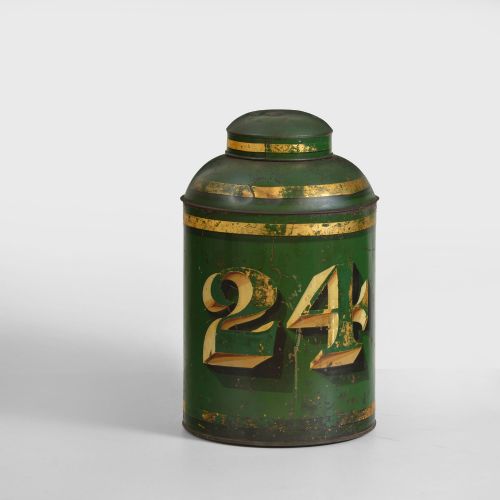
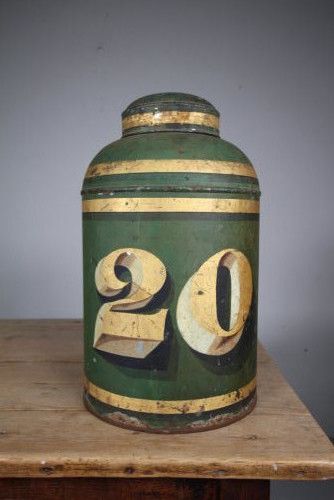
Surfaces receive layers of oil paint, sign-written lettering, or toleware finishes that accumulate genuine wear from daily use in nineteenth and early twentieth-century shops.
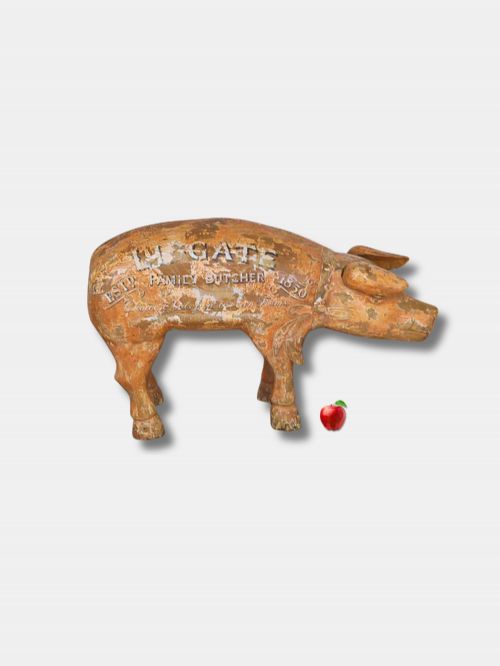
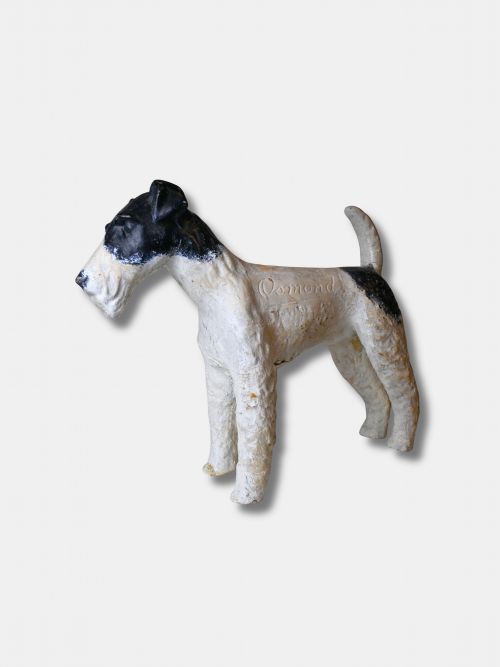
Specialised items utilise plaster, composition, papier-mâché, or carved wood to form trade figures, display models, and advertising mannequins.
Vintage Painted Shop Display Retail Price Guide 2026
Typical asking prices for vintage painted shop display among the pieces listed under this phrase on Sellingantiques today, from the lower quarter to the upper quarter. They describe what is for sale here now, not the wider market.
The listings span the Victorian, Edwardian, and Art Deco periods, utilising pine, oak, mahogany, iron, brass, glass, plaster, and paint.
What varies in quality
The integrity of the original paint surface distinguishes everyday utilitarian items from those retaining unblemished sign-writing or authentic layered patination.
Complexity of form separates standard counters from scarce automated display models, life-size advertising figures, and large trade signs.
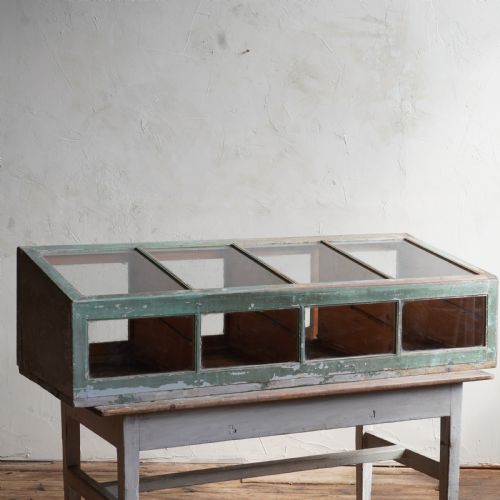
Structural completeness, such as retaining all drawers in a chemist bank or the original glass in a countertop cabinet, determines historical fidelity.
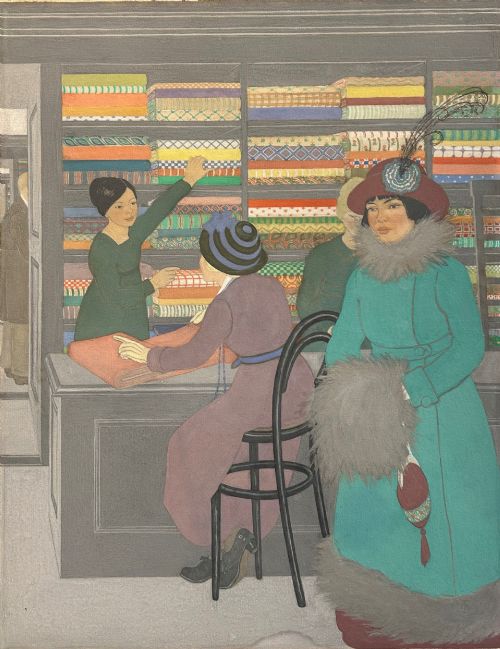
Beatrice Saunders·Albert Guillaume
The Vintage Painted Shop Display Glossary
- Toleware
- Lacquered or enamelled metalware, frequently painted with decorative motifs for domestic or commercial use. These items bring robust colour to shop displays.
- Trade sign
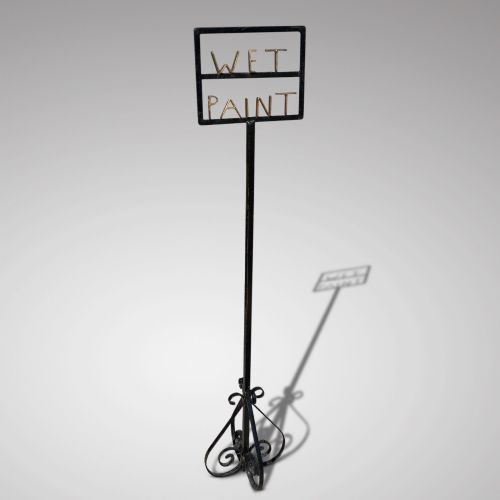
- A board or figure displayed outside or inside a shop to indicate the trade carried out within. They frequently utilise bold hand-painted lettering.
- Dummy board
- A flat, painted wooden or metal figure designed to stand in a room and create a trompe l'oeil effect. They served as early advertising or decorative displays.
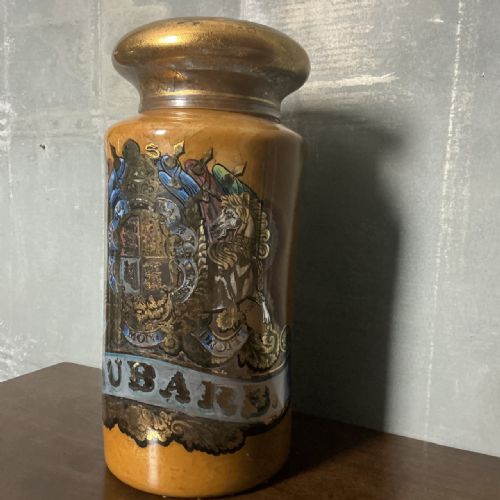
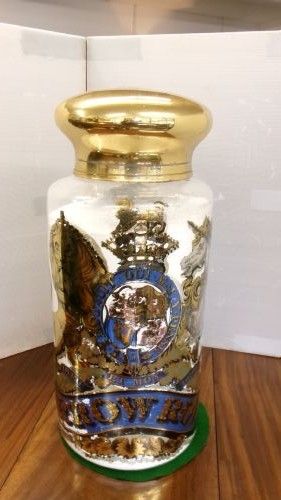
- Apothecary jar
- A glass vessel used by chemists to store ingredients, often labeled with contents and fitted with a cover. These jars formed essential elements of nineteenth-century shop interiors.
Vintage Painted Shop Display: Frequently Asked Questions
What is a vintage painted shop display?
These pieces are functional commercial furnishings, counters, cabinets, and advertising figures salvaged from nineteenth and early twentieth-century shops.
They retain original painted surfaces and sign-writing applied for retail use before being adapted for interior decoration.
How were shop display figures used?
Traders utilised carved or moulded figures, animals, and mannequins inside windows or on counters to attract customers and advertise specific goods.
Items ranged from butcher's pigs to drapers' display busts and shoe shop advertising mirrors.
How do I clean original shop paint?
Preserve distressed paint surfaces by dusting gently with a dry cloth and avoiding harsh chemical cleaning agents or abrasive scrubbers.
Many pieces rely on accumulated patination for their historic character, which aggressive restoration can permanently remove.
Where do shop counters fit at home?
Large timber counters and drapers tables serve effectively as kitchen islands, sideboards, or hallway consoles due to their generous proportions and storage.
Smaller cabinets and drawers place easily on tabletops to organise collections while displaying contents behind glass.