

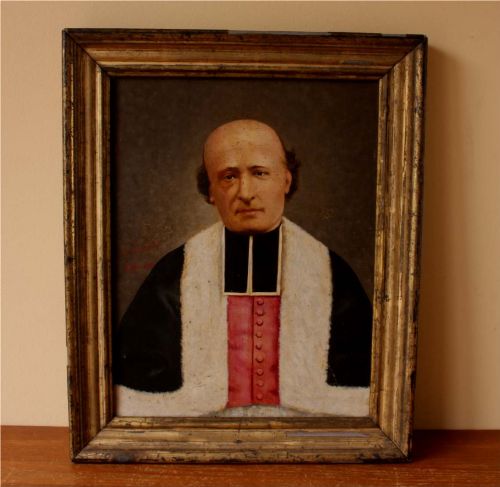
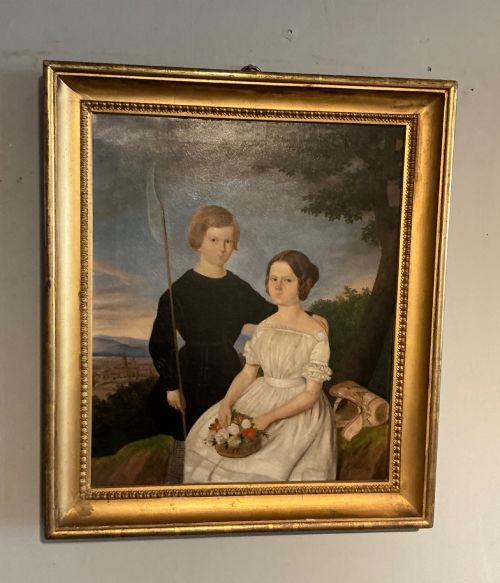
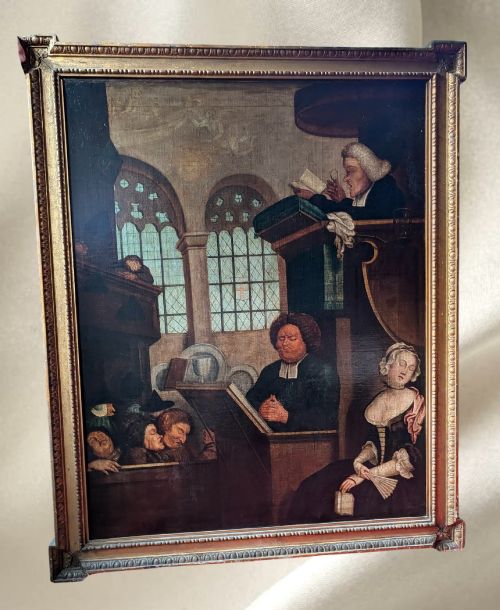
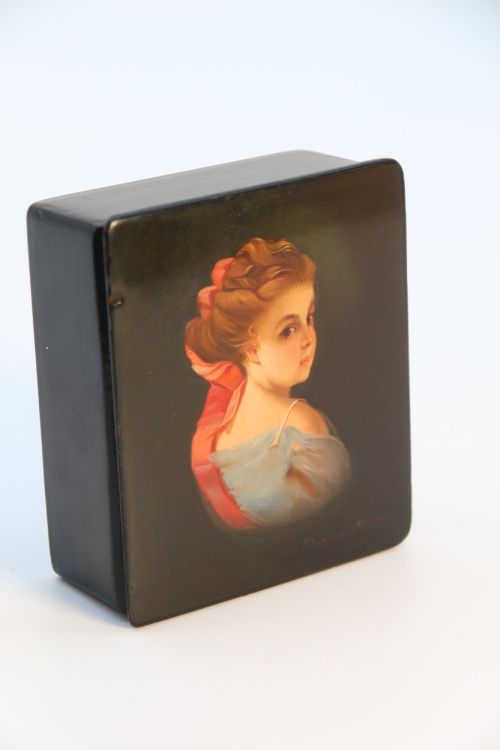
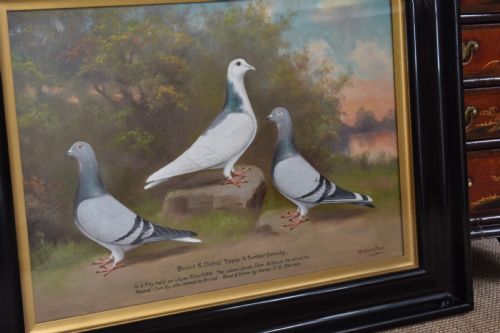
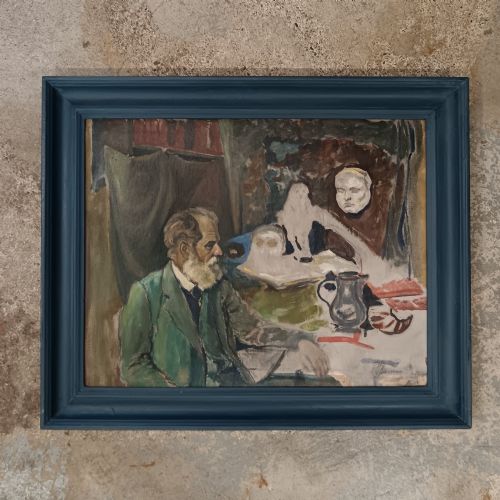
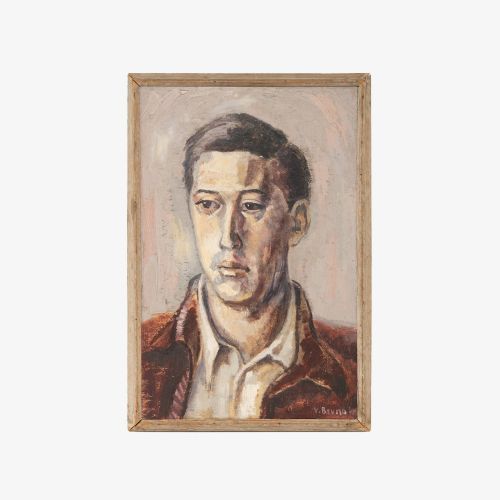
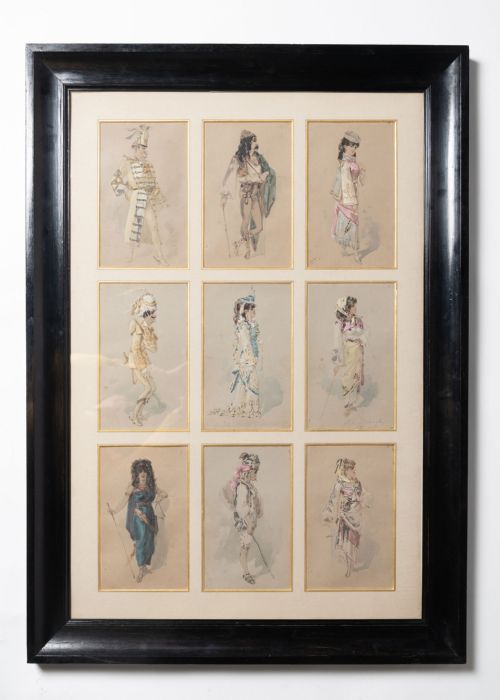
Vintage Painted Portrait
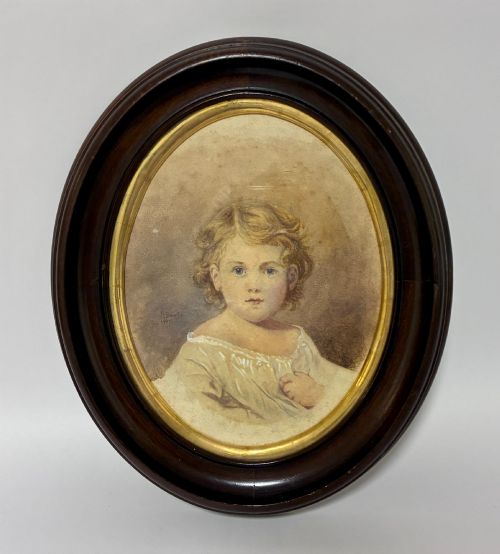
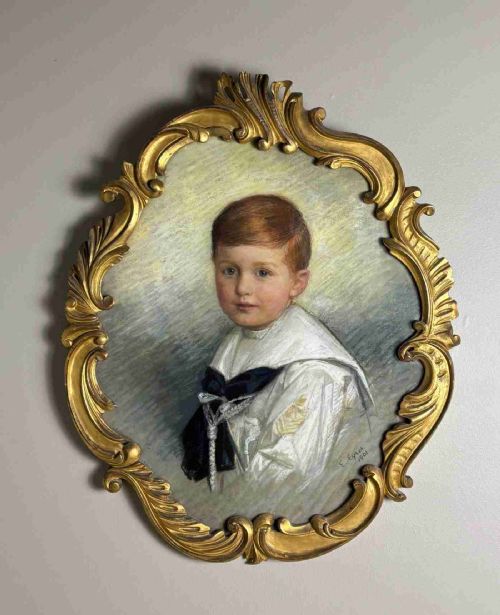
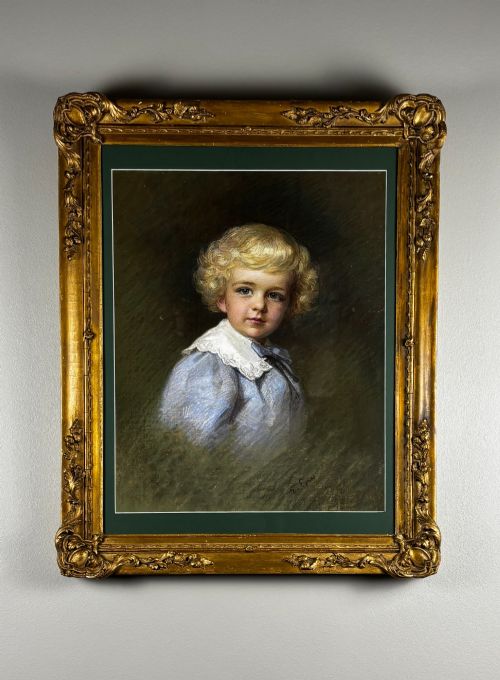
These vintage painted portrait works capture character through oil and watercolour, offering a direct link to past lives.
Vintage Painted Portrait
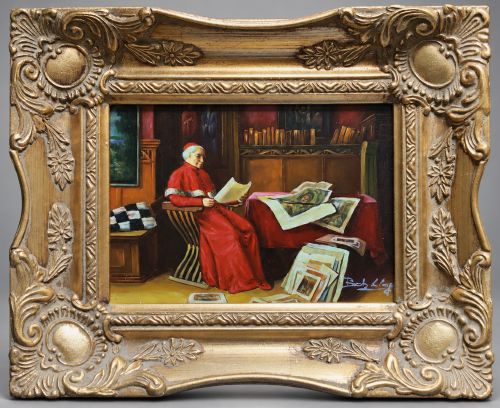
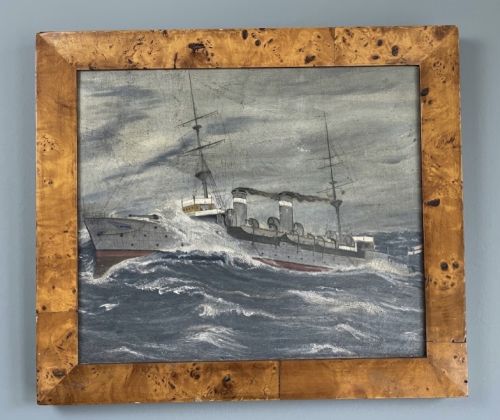
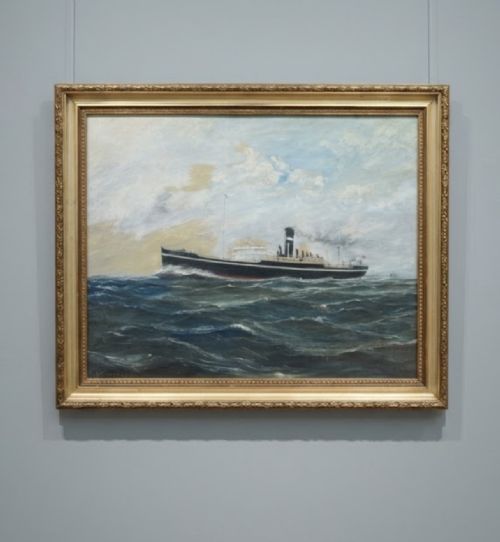
A vintage painted portrait brings together likenesses of people and animals rendered across the nineteenth and twentieth centuries. Buyers search for these pieces to acquire tangible historical connections through framed canvas, board, and card.
The selections on this page lean heavily towards nineteenth century pieces and mid-century works. These range from intimate portrait miniatures to larger oils depicting sitters, children, and animals.
Beyond human subjects, the selection encompasses equine and canine studies often classed within the genre. Folk art and primitive examples sit alongside formal academic oils and watercolours.
Materials and construction methods
Makers laid oil paint and watercolour onto grounds of canvas, wood, card, and paper. Support materials often dictate the frame type, with older works mounted in giltwood or simple moulded frames.
Miniatures frequently utilise delicate paper or porcelain housed beneath glass within gold-mounted parure settings or small frames. Larger works employ stretched canvas over wooden frames or rigid wooden panels.
Vintage Painted Portrait Retail Price Guide 2026
Typical asking prices for vintage painted portrait among the pieces listed under this phrase on Sellingantiques today, from the lower quarter to the upper quarter. They describe what is for sale here now, not the wider market.
Listings feature oil on canvas, wood, paper, and card across the nineteenth and twentieth centuries.
Judging the standard of execution
Skill in handling paint and capturing anatomy separates accomplished works from simpler expressions. Masterly pieces demonstrate nuanced understanding of light on flesh and fabric.
Condition of the painted surface and original framing contribute significantly to overall integrity. Intact brushwork without heavy overpainting represents the higher end of the scale.
Emily Eyres·Louis Reid Deuchars·Andrew Beer·Patricia F Arnett·John Donaldson·Charles Bilger Spalding·George F Bird·Lionel Ellis·Henry Barraud
The Vintage Painted Portrait Glossary
- Portrait miniature
- A small-scale painting executed on ivory, vellum, card, or paper, often designed to be worn or carried. These delicate items frequently date from the Georgian and Victorian eras.
- Folk art
- Work produced by self-taught or provincial artists operating outside mainstream academic traditions. These pieces prioritise direct expression over strict proportion.
- Oil on canvas
- Pigment suspended in a drying oil medium applied to a woven fabric stretched across a wooden frame. This combination provides a stable yet flexible surface for blending tones.
- Pastel
- A medium composed of powdered pigment and a binder rolled into sticks. Applied to paper or card, it creates a velvety texture that requires glass protection.
Vintage Painted Portrait: Frequently Asked Questions
How do I date an old painted portrait?
Examine the materials, stretcher frames, and the sitter's costume style. Clothing fashions and hairstyles offer reliable clues to the decade of creation.
Backings, labels, and framing methods provide additional historical context. Handwritten notes on the reverse often record the sitter's identity and date.
Where were miniature portraits displayed?
Miniature portraits were typically kept in personal spaces or worn close to the body. Many featured protective cases or were integrated into jewellery.
Later Victorian examples transitioned towards desk ornaments or wall hangings. Their scale suited intimate domestic interiors rather than grand reception rooms.
What is folk art style?
Folk art style describes works created outside formal academic conventions. These pieces often display simplified perspectives and bold, direct application of colour.
Such portraits emphasise character and presence over anatomical precision. They reflect regional traditions and domestic craftsmanship.
How should I care for oil on canvas?
Keep painted canvases away from direct sunlight and dramatic humidity fluctuations. Stable environmental conditions prevent the paint layer from cracking or warping.
Dust the surface gently with a soft, dry brush without applying moisture or cleaning agents. Professional conservation is required for deeper cleaning.