




Vintage Painted Glass Sign
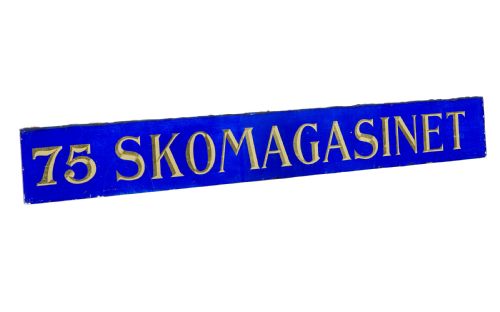
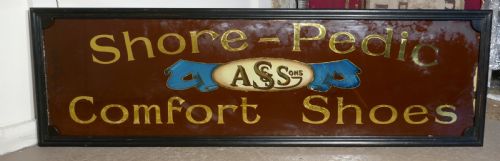
A vintage painted glass sign brings genuine commercial history and striking typography straight into a room.
Vintage Painted Glass Sign
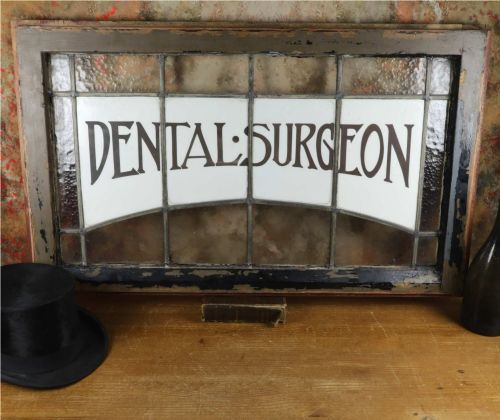
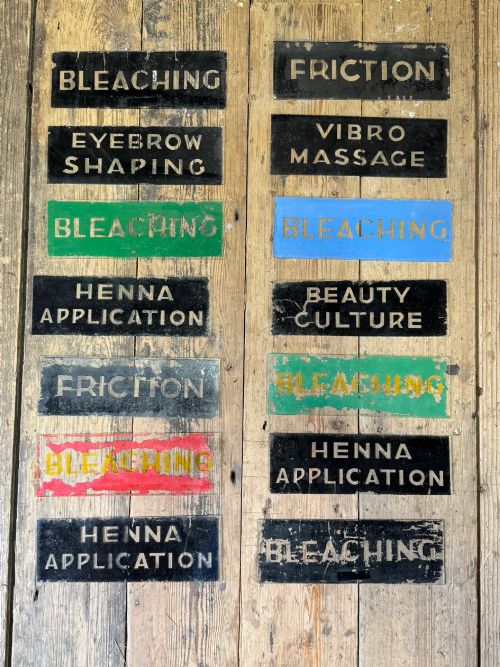
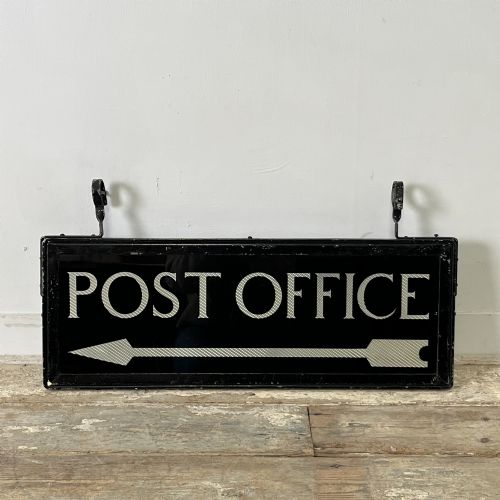
When you search for a vintage painted glass sign, you encounter genuine relics of past commerce, from Edwardian dentist windows to 1930s hairdressing displays and early post office direction markers. These pieces served practical purposes in shops and public spaces before finding their way into domestic interiors as decorative wall art.
The selections on this page span several distinct eras, incorporating Victorian commercial pieces, 1920s shop signage, and French Provincial advertising boards. Alongside traditional wall signs, the inventory includes related advertising mirrors and architectural salvage framed in wood.
Most examples rely on reverse painting techniques, where lettering and imagery are applied directly to the back of the glass panel to protect the finish and create a glossy surface. They appear in various formats, including double-sided hanging markers and large window panels designed to catch the light.
What varies in quality
The standard of lettering and the complexity of the commercial subject matter define the upper tier of these pieces. Original frames and intact reverse-painted surfaces hold greater visual weight than later adaptations or heavily restored panels.
The clarity of the glass and the preservation of delicate gold leaf or enamel details distinguish finer examples from standard utility markers. Provenance relating to specific trades, such as dental practices or early boutiques, adds character to the piece.
Listings feature materials such as glass, paint, wood, gold leaf, enamel, lead, timber, and foil across various decades.
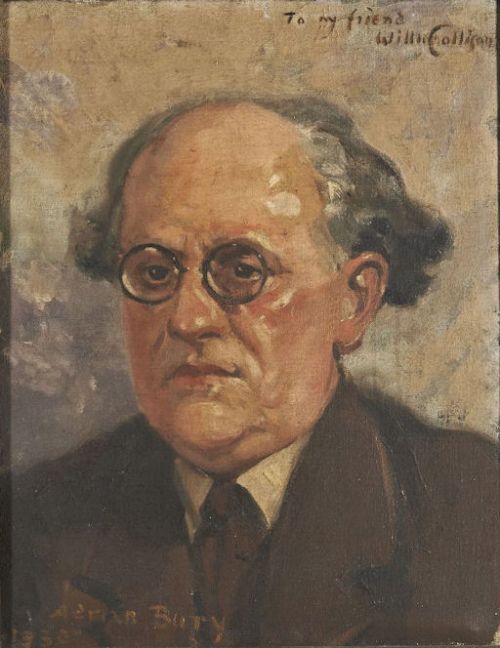
Emmy Seyfried·Jennifer Toombs·Adrian Bury
The Vintage Painted Glass Sign Glossary
- Reverse painting
- A technique where the artist applies paint and gold leaf to the back of a glass panel so the image reads correctly from the front. This method protects the pigments from dust and physical damage.
- Sign-writing
- The traditional craft of hand-lettering commercial messages, shop names, and directions onto surfaces like wood and glass. Practitioners used specialised brushes and enamel paints.
- Architectural salvage
- Building elements and fixtures rescued from structures slated for demolition or remodelling. These items often include windows, signs, and mirrors.
- Gold leaf
- Extremely thin sheets of beaten gold applied to surfaces for ornamentation and lettering. It reflects light brightly behind glass panels.
Vintage Painted Glass Sign: Frequently Asked Questions
How do I hang a glass sign safely?
Most pieces retain their original wooden frames or hanging brackets designed for secure wall mounting. Ensure the fixings match the weight of the timber and glass.
Avoid hanging glass panels in areas subject to heavy vibration or direct moisture, which can compromise the painted reverse surface over time.
Are these signs double-sided?
Certain direction markers and hanging fixtures were constructed to be viewed from both sides in public thoroughfares. These typically feature lettering painted on two opposing glass panels.
Standard wall panels and window signs are designed for single-aspect viewing, with protective backing boards or exposed reverse paint.
What trades used these signs?
Early businesses ranging from dental surgeons and post offices to tobacco shops and beauty establishments utilised glass signage to attract customers. Commercial enterprises relied on these panels for both street advertising and interior window display.
Agricultural merchants and shoe shops also commissioned sign-written pieces to display their company names.