






Vintage Overmantle Glass
Vintage overmantle glass brings architectural weight and historical charm to a room, designed to anchor the space above a fireplace.
Vintage Overmantle Glass
Vintage overmantle glass encompasses large wall-hanging pieces specifically proportioned to sit above a mantelpiece. When searching for vintage overmantle glass, you encounter substantial formats originating largely from the nineteenth century alongside later twentieth-century interpretations.
The prevailing examples on this page span Victorian designs, Edwardian creations, and French chateau styles. These objects function primarily as structural decoration, reflecting light and expanding the visual dimensions of a room.
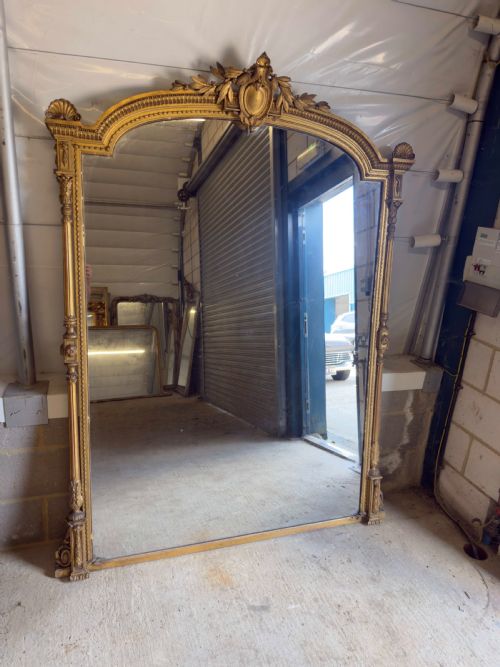
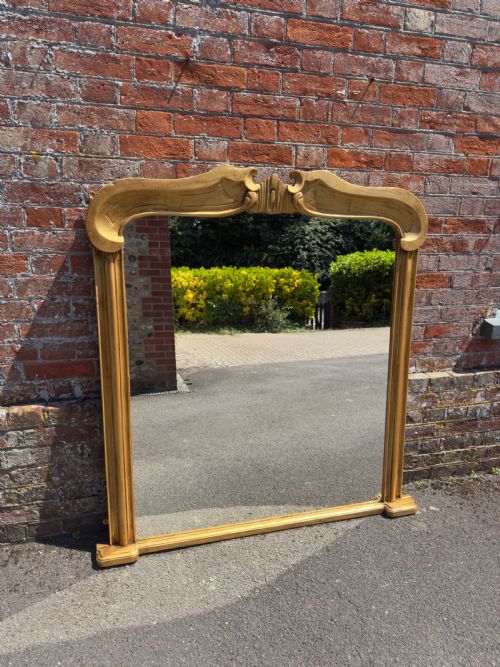
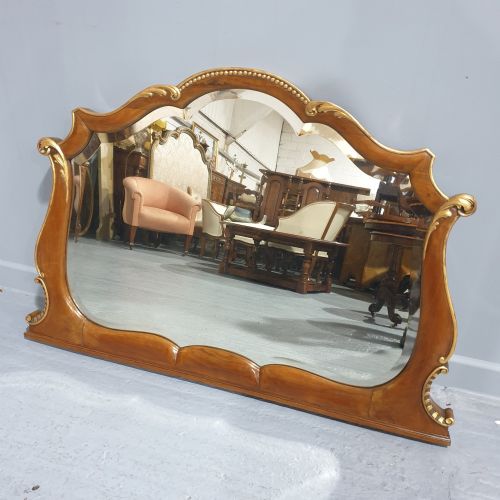
Formations include arched tops, shaped frames, and rectangular formats executed in substantial proportions. Makers historically tailored these mirrors to dominate the chimney breast, integrating them into the architectural scheme of the interior.
Materials and Construction
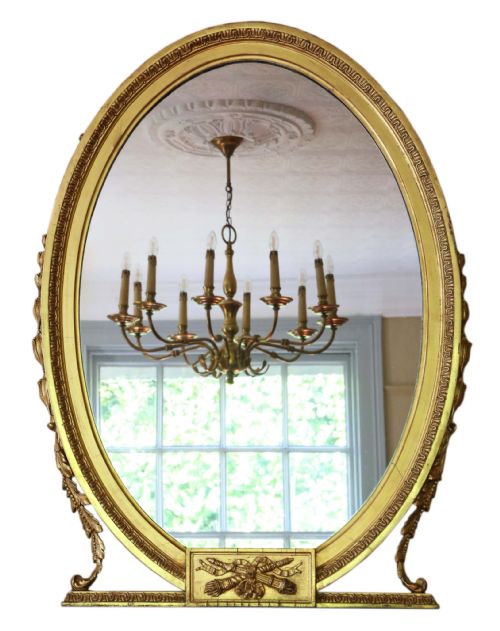
Construction relies heavily on carved wood and gesso applied to timber frames, often finished with gold leaf or paint. Artisans built these robust structures to support heavy mirror glass plates safely.
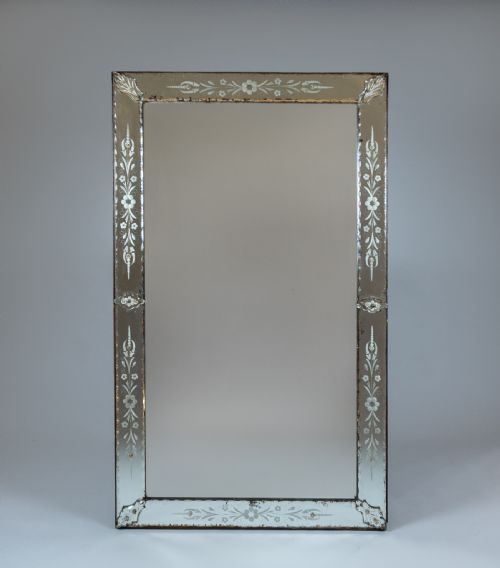
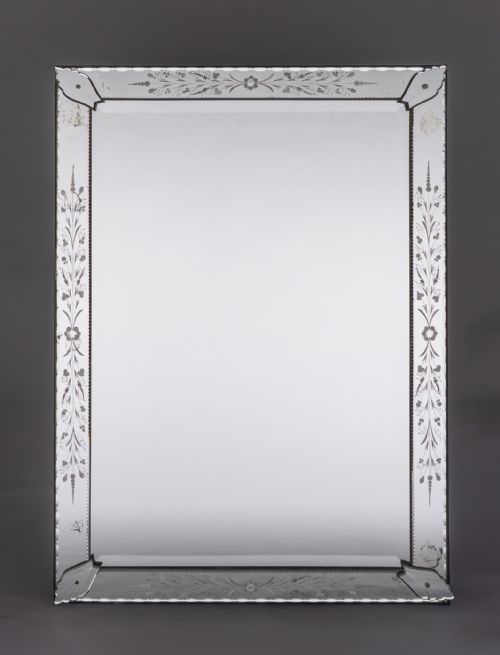
Veneers of rosewood, walnut, mahogany, and birds eye maple appear frequently across the woodwork. Etched details and peach-coloured glass provide decorative variation in later twentieth-century iterations.
Giltwood frames combine delicate gilding techniques over carved wooden foundations. These methods create the characteristic reflective warmth and ornate surface texture found in period examples.
Vintage Overmantle Glass Retail Price Guide 2026
Typical asking prices for vintage overmantle glass among the pieces listed under this phrase on Sellingantiques today, from the lower quarter to the upper quarter. They describe what is for sale here now, not the wider market.
Listings feature items from the nineteenth century onwards, incorporating Victorian, Edwardian, and Art Deco design movements.
Assessing Quality
Quality rests upon the depth and crispness of the carved wood and gesso ornamentation. Superior examples display sharply defined motifs and securely bonded gilt surfaces rather than heavy, indistinct mouldings.
The integrity of the mirror glass itself dictates the overall standard of the piece. Original mirror plates showing uniform ageing contrast with later replacements, while fine craftsmanship is evident in the joinery of the heavy wooden frames.
The Vintage Overmantle Glass Glossary
- Overmantle mirror
- A large wall mirror specifically built to hang above a fireplace mantel. These pieces balance room proportions and reflect interior light.
- Gesso
- A plaster-like mixture applied to wood frames to create a smooth surface for carving and gilding. This material allows for intricate relief ornamentation.
- Giltwood
- Timber coated with gold leaf or metallic paint. It provides a luminous surface that catches candlelight and daylight alike.
- Birds eye maple
- A figured timber showing small swirling patterns resembling tiny eyes. Cabinet makers prized this wood for decorative furniture and mirror frames.
- Parcel gilt
- Woodwork partially decorated with gold leaf alongside exposed natural timber or paint. This technique highlights specific carved details.
Vintage Overmantle Glass: Frequently Asked Questions
Where should I hang an overmantle mirror?
These mirrors traditionally hang centrally on the chimney breast directly above a fireplace mantelpiece. This placement establishes a focal point and balances the height of the hearth.
Alternatively, they function effectively on large blank walls in reception rooms to increase natural light and perceived space.
How do I clean vintage mirror glass?
Clean the glass surface gently using a soft cloth and a mild glass cleaning solution sprayed onto the cloth rather than directly onto the mirror. This prevents moisture from seeping behind the silvering.
Avoid harsh chemicals and abrasive pads that can damage the surrounding gesso, paint, or gilt frame.
Are these mirrors heavy to hang?
These pieces possess substantial weight due to their large wooden frames and thick glass plates. Secure wall fixings into solid masonry or wall studs are essential for safe installation.
Professional installation is often recommended to support the substantial load safely and securely.
How do I identify a Victorian overmantle?
Victorian examples frequently feature heavy carved wood and gesso construction, often with arched or shaped tops and gilt finishes. Construction methods and timber choices align with nineteenth-century cabinet making practices.
Country house aesthetics and elaborate ornamentation also characterise pieces from this extensive period.