

Vintage Oval Portrait
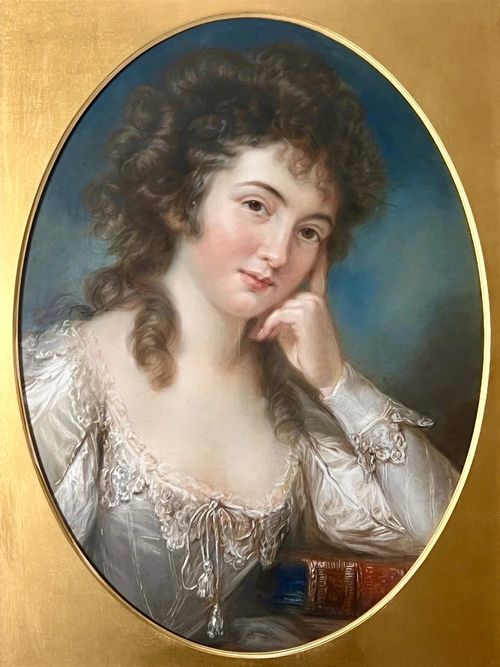
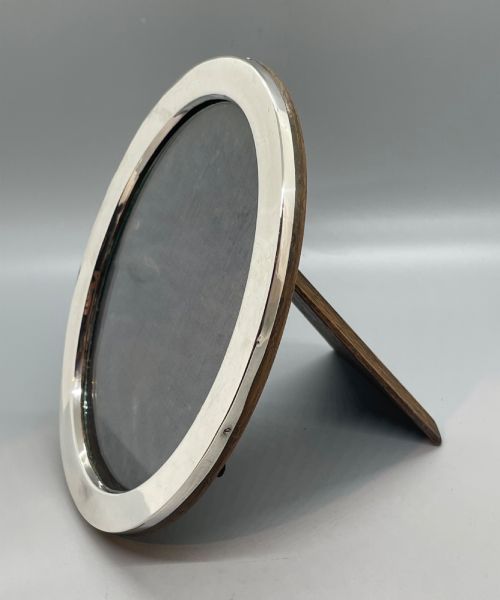
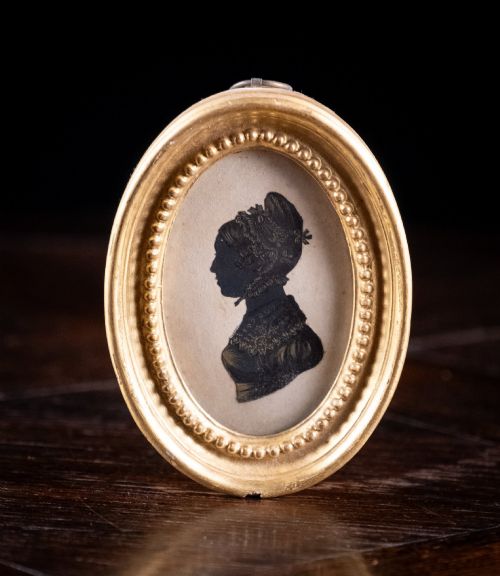
A vintage oval portrait brings personal history into a room, framed in sterling silver, giltwood or carved brass to hold the eye.
Vintage Oval Portrait
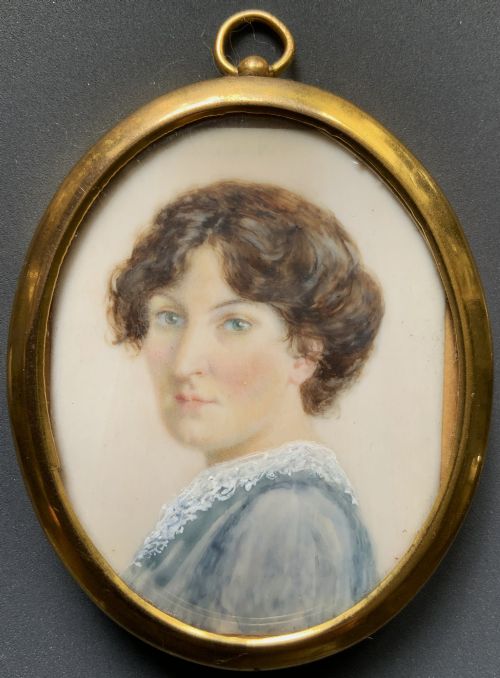
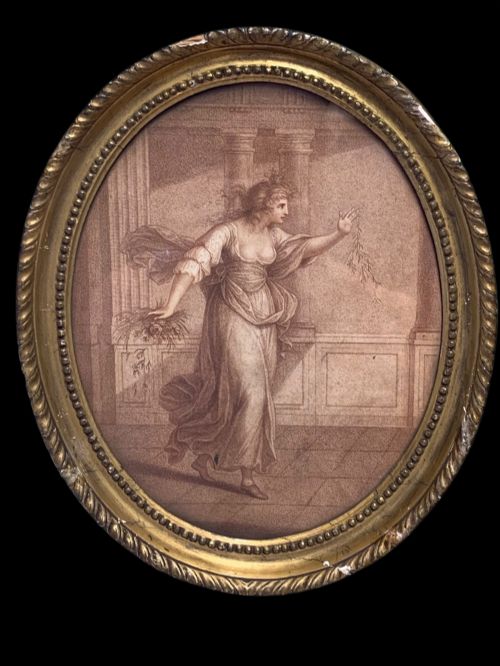
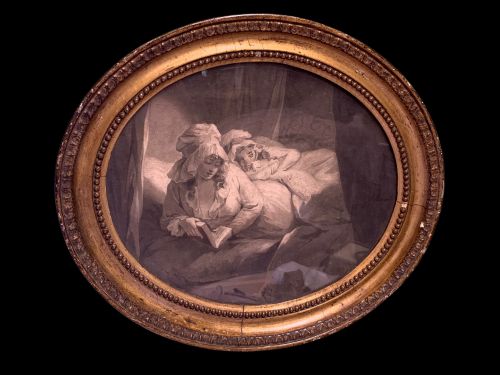
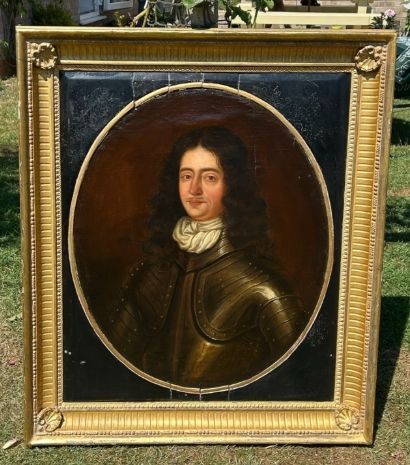
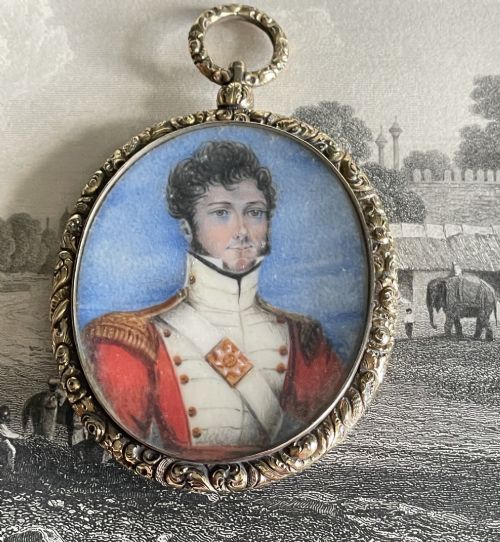
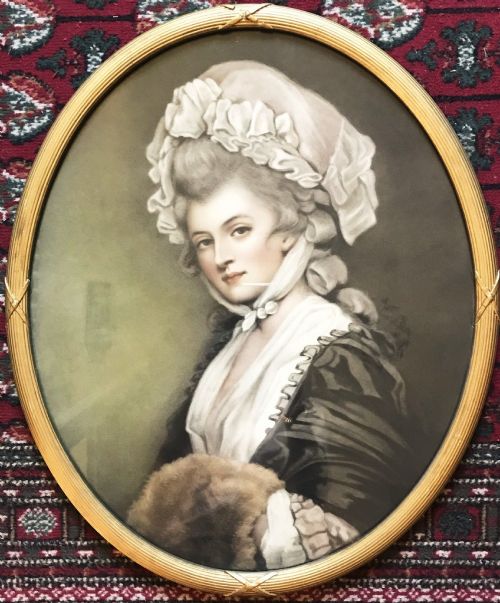
When you search for a vintage oval portrait, you encounter a distinct format spanning miniature watercolours, oil paintings on canvas, and detailed stipple engravings. These pieces capture sitters from the eighteenth century through the Edwardian era, rendered with intimate precision within curved boundaries.
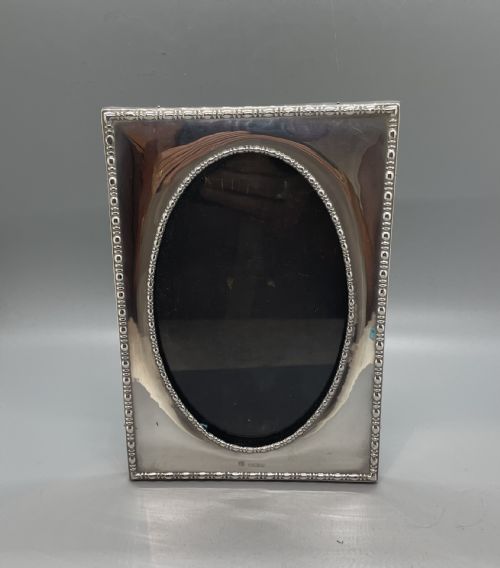
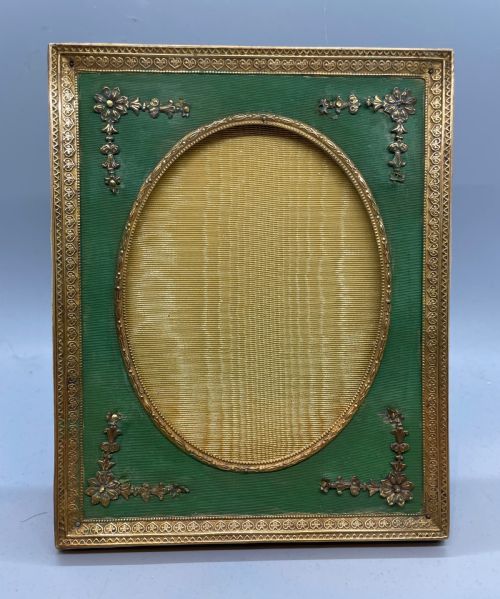
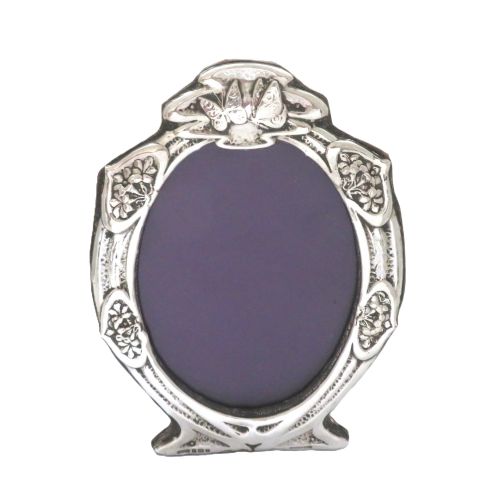
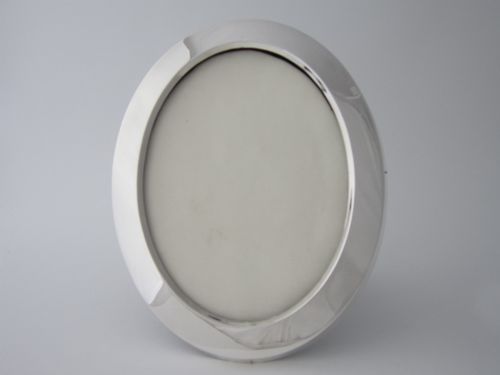
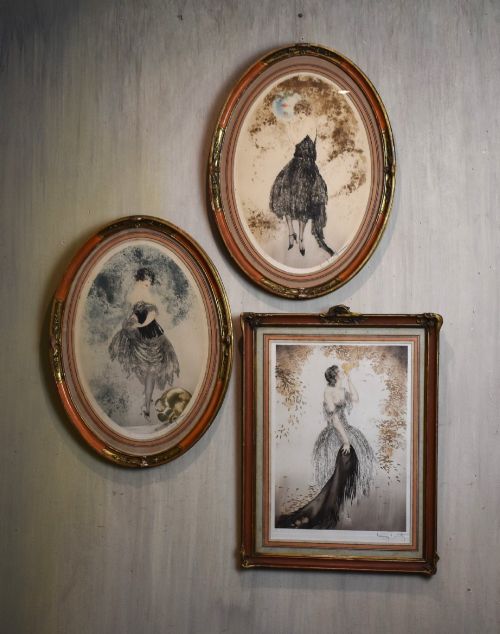
The versions most frequently met on this page combine portrait paintings or portrait miniatures with period surrounds such as sterling silver photo frames and ebonised wood. They range from hand-coloured works on paper to framed prints depicting young ladies and children.
Makers and artists work across diverse periods including Georgian, Victorian, Regency, and George V styles. The curation spans small pendants and lockets to larger wall art, uniting disparate eras through the shared geometry of the oval.
Materials and construction
Artists painted these works using watercolour, pastel, and oil on canvas or paper, sometimes applying hand-colouring to engravings and stipple prints. Miniature portraits often utilised delicate supports housed beneath protective glass within hinged or fitted cases.
Frames and housings rely on sterling silver, ormolu, brass, giltwood, satinwood, and ebonised timber, often shaped with cast ornamentation or carved motifs. Backings incorporate velvet and stout card to secure the portrait within its perimeter.
Enamel plaques and mother-of-pearl locket pendants demonstrate specialised techniques of firing and carving. Silver components frequently bear hallmarks from assay offices in Birmingham, Sheffield, and Chester.
Listings feature works executed in watercolour, oil, and stipple engraving across the eighteenth, nineteenth, and early twentieth centuries.
Judging quality and execution
The finesse of the brushwork or engraving separates competent studio output from exceptional hand-rendered portraiture. In miniatures and oil paintings, the rendering of light upon the sitter's face and drapery demonstrates the artist's training and control.
The integrity and originality of the surrounding frame contribute substantially to the piece. Sterling silver mounts with crisp, unrubbed hallmarks and well-preserved giltwood or ormolu housings elevate the overall object.
Material selection and structural preservation dictate longevity. Pieces maintaining original glass, backing boards, and uncompromised pigments retain their intended visual impact without modern restoration obscuring the original hand.
John C D Engleheart·Louis Icart·Emily Eyres·Arthur Percy Dixon
The Vintage Oval Portrait Glossary
- Portrait miniature
- A small, highly detailed painting on ivory, vellum or paper, executed with fine brushes during the Georgian and Victorian periods.
- Stipple engraving
- A printmaking technique using dots and clustered stipples to create tonal gradations and soft facial contours.
- Ormolu
- Gilt bronze mounted onto frames and decorative objects, providing a rich metallic finish popular in Edwardian and Regency pieces.
- Plumbago
- A drawing executed in graphite, taking its name from the Latin for lead ore, frequently utilised for small eighteenth-century portraits.
- Hallmark
- Official stamps struck into sterling silver indicating the assay office, standard of purity, and year of manufacture.
Vintage Oval Portrait: Frequently Asked Questions
How were portrait miniatures displayed?
Miniatures were frequently worn as pendants or lockets against the body, or kept on desks and tables within protective leather travel cases.
Over time, owners also hung them in clusters upon drawing room walls, utilising their compact scale to create intimate focal points.
What distinguishes an engraving from a painting?
Paintings utilise wet pigment such as oil or watercolour applied directly to a canvas, paper, or vellum support by an artist's hand.
Engravings are printed impressions pulled from inked metal plates, sometimes receiving hand-colouring afterwards to enhance the visual depth.
How do I date a silver photo frame?
British silver frames carry hallmark stamps that indicate the specific assay office and the year the piece was tested and marked.
Stylistic cues such as Art Nouveau butterfly motifs or plain Edwardian borders further narrow down the decade of production.
How should I care for antique paper portraits?
Paper and watercolour works require protection from direct sunlight to prevent the fading of delicate pigments and hand-applied colours.
Keeping them away from high humidity safeguards the paper support and prevents mould or foxing from damaging the painted surface.