



Vintage Optical Glass
These vintage optical glass pieces are practical antiques that bring precise lens work and period materials to your desk or theatre visit.
Vintage Optical Glass
When you search for vintage optical glass, you encounter a specialised selection of magnifying lenses, desk accessories, opera glasses, lorgnettes, and scientific instruments. The listings encompass items spanning the Victorian era, the Edwardian period, and the Art Deco years.
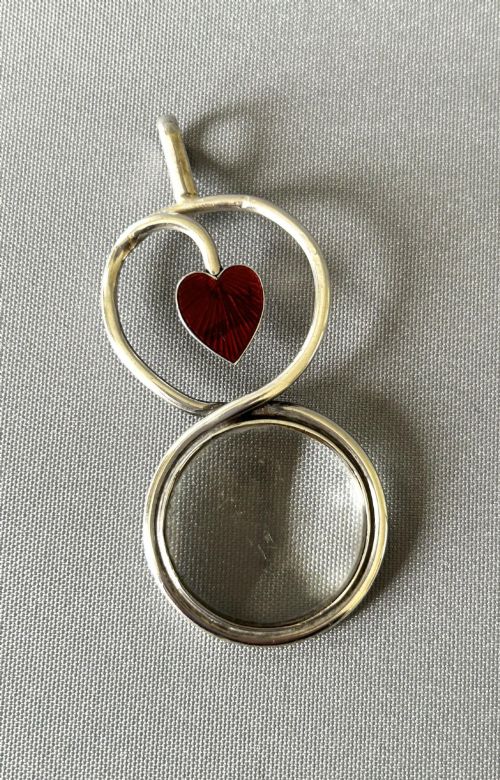
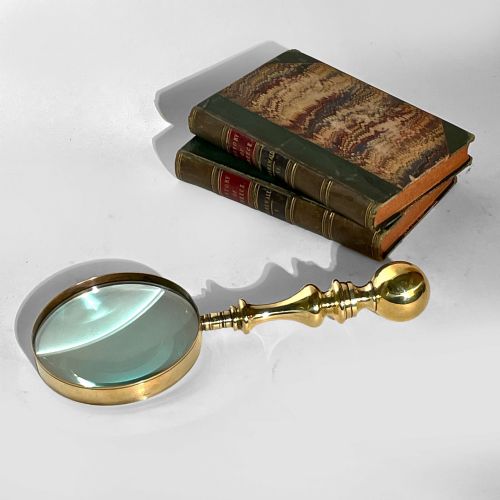
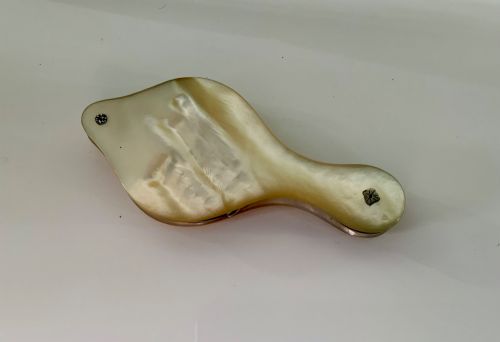
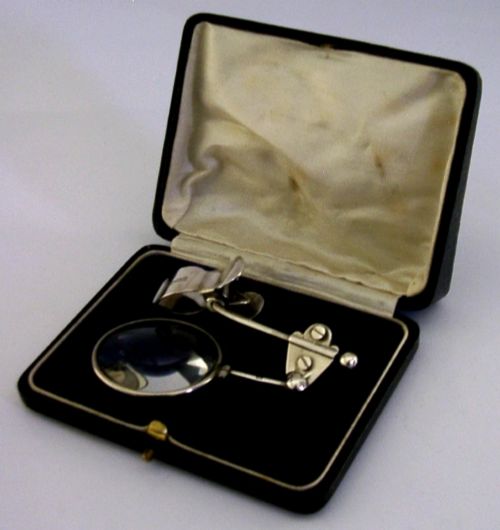
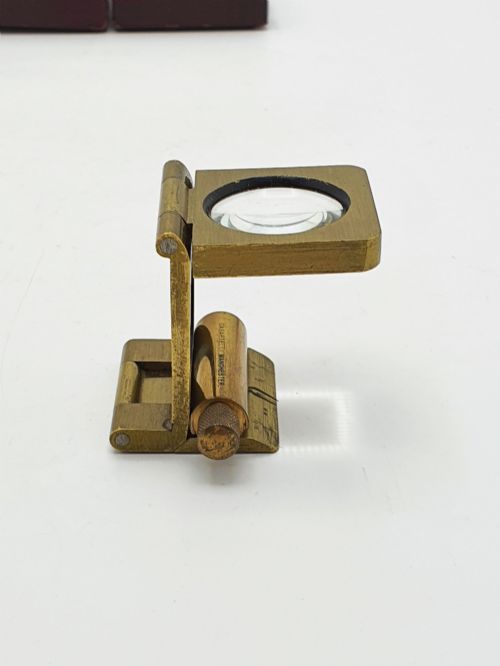
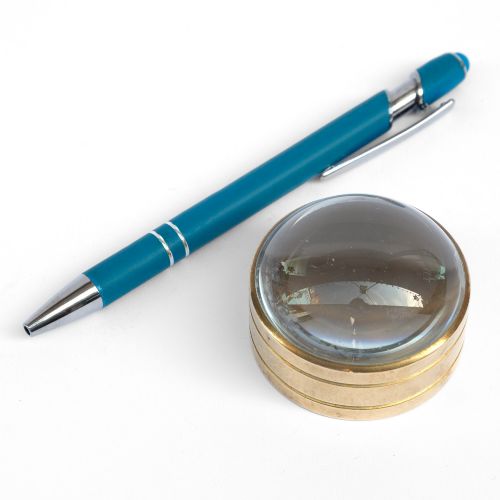
The objects take many forms, from pocket linen testers and thumb magnifiers to larger desk lenses, telescopes, and test glass kits in fitted cabinets. Mother of pearl, brass, sterling silver, and leather frequently appear across these historical instruments.
How they were made
Optical glass lenses were hand-ground and fitted into housings cast in brass or forged in sterling silver. Makers paired these primary materials with organic elements such as mother of pearl, leatherette, and rosewood.
Finishes include guilloche enamel and precision engraving on metal mounts, alongside turned wooden handles and fitted leather cases designed to protect fragile scientific instruments.
Vintage Optical Glass Retail Price Guide 2026
Typical asking prices for vintage optical glass among the pieces listed under this phrase on Sellingantiques today, from the lower quarter to the upper quarter. They describe what is for sale here now, not the wider market.
Periods represented span from the early nineteenth century through the Victorian era, Edwardian period, and Art Deco years.
What varies in quality
Quality rests in the clarity of the optical glass and the integrity of the original mountings, whether brass, silver, or precious metal. Maker signatures stamped into the metal or engraved on the barrel distinguish workshop pieces from unmarked items.
The refinement of secondary materials, such as even mother of pearl panels and intact guilloche enamel, separates standard utility items from higher grade pieces intended for the theatre or the gentleman's desk.
Casartelli Manchester·Thomas Rubergall·Iris Paris·Francis West·CW Dixey London
The Vintage Optical Glass Glossary
- Linen tester
- A small folding magnifying glass used historically for inspecting woven textiles and thread counts.
- Lorgnette
- A pair of spectacles or opera glasses held to the face with a short side handle rather than fitting over the ears.
- Stanhope lens
- A cylindrical optical lens offering high magnification of microscopic photographs placed at its focal point.
- Monocular
- A single-barrel optical viewing scope designed for magnifying distant objects with one eye.
- Test glass kit
- A curated collection of optical lenses used by optometrists for measuring and correcting vision.
Vintage Optical Glass: Frequently Asked Questions
How do I clean vintage glass lenses?
Clean optical glass gently using a soft microfibre cloth and specialised lens solution to avoid scratching the historical surface.
Avoid household detergents or abrasive materials that might damage soft brass settings or delicate mother of pearl inlays surrounding the glass.
Were opera glasses used for theatre only?
These instruments served audiences at opera houses, theatres, and sporting events where distant viewing required portable magnification.
Victorian and Edwardian society members carried them as both practical viewing tools and fashionable personal accessories.
How can I date my magnifying glass?
Examine the materials, hallmarks, and mechanical construction, as sterling silver pieces often bear official assay office date letters.
Signed maker inscriptions and prevailing styles from Victorian, Edwardian, or Art Deco periods provide further chronological clues.
Can I use these antiques daily?
Many desk magnifiers and pocket loupes remain entirely functional for reading small print or examining fine details today.
Handle delicate mechanisms, folding lorgnettes, and mother of pearl panels with care to preserve their historical condition.