



Vintage Opium Table
These vintage opium table selections offer low-profile timber surfaces shaped by traditional Chinese cabinetmaking traditions.
Vintage Opium Table
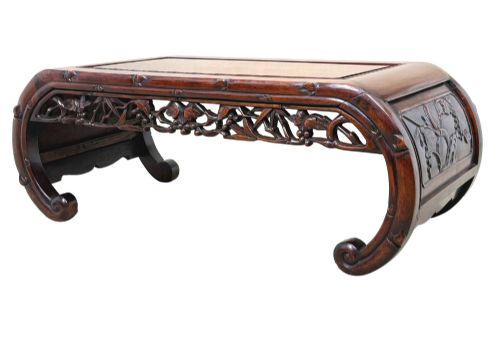
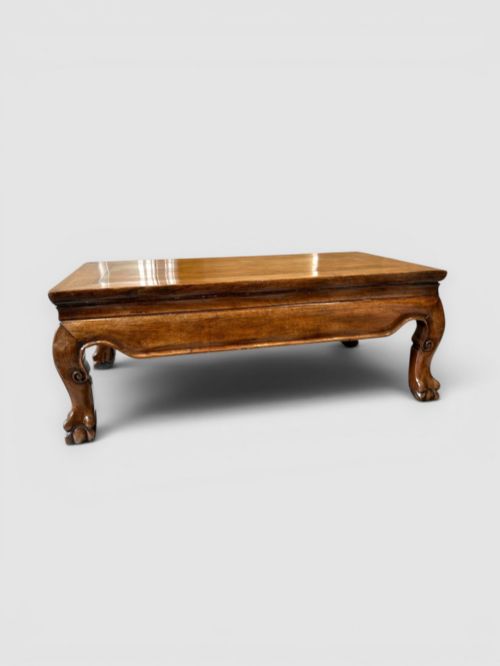
A vintage opium table sits low to the floor as a traditional Chinese furniture form adapted into compact coffee tables. These pieces draw from Qing Dynasty styles and later traditional Chinese workshop practices.
The selections on this page span the nineteenth century through the early twentieth century, including Victorian export periods and the 1920s. Most examples function practically as low coffee tables or kang tables within modern interiors.
Makers produced these forms in circular and rectangular layouts using dense Asian timbers. Buyers encounter various regional interpretations ranging from plain hardwood surfaces to carved designs.
How they were made
Carpenters constructed these low tables using dense hardwoods including rosewood, elm, and hongmu. These timbers provided the structural strength required for low-slung joinery without heavy framing.
Surface finishes include traditional lacquer and mineral pigment applications that protect the timber while highlighting the grain. Artisans applied carved detailing by hand directly into the hardwood structure.
Vintage Opium Table Retail Price Guide 2026
Typical asking prices for vintage opium table among the pieces listed under this phrase on Sellingantiques today, from the lower quarter to the upper quarter. They describe what is for sale here now, not the wider market.
These tables spent their early days much closer to the floor than their current coffee table duties require.
What varies in quality
The choice of timber creates a primary distinction between standard utilitarian pieces and finer examples rendered in figured rosewood or dense hongmu. Density and grain movement dictate the visual weight of the wood.
Refinement in carving depth and the preservation of original lacquer or pigment surfaces separate baseline production from masterwork output. Structural integrity in the low legs and aprons determines long-term stability.
The Vintage Opium Table Glossary
- Kang table
- A low platform table traditionally placed on a heated brick bed in northern Chinese homes. These surfaces served for dining and writing before being adapted as coffee tables.
- Hongmu
- A category of dense, fragrant Asian hardwoods prized for furniture production. The term translates directly to red wood and encompasses several heavy timber species.
- Qing Dynasty
- The final imperial dynasty of China, spanning from the seventeenth to the early twentieth century. Pieces from the late phase of this era influence many of these designs.
- Chinese Export
- Furniture produced specifically for Western markets during the nineteenth and early twentieth centuries. These items often blend traditional forms with European aesthetic preferences.
Vintage Opium Table: Frequently Asked Questions
What is an opium table?
An opium table is a traditional low-profile Chinese furniture form originally used for resting or serving refreshments close to the floor. Modern buyers repurpose these sturdy timber pieces as low coffee tables.
The low height and compact proportions make them versatile additions to contemporary living spaces. They function well as central low tables paired with floor seating or low sofas.
How do I style a low coffee table?
Styling a low coffee table involves balancing the horizontal surface with minimal objects that respect the low scale. Keeping the timber grain visible maintains the visual balance of the room.
Because these tables sit close to the floor, positioning them away from high-traffic pathways preserves their presence. They work effectively as focal points in minimalist or eclectic interiors.
What woods were used for these tables?
Cabinetmakers utilised dense Asian hardwoods including rosewood, elm, and hongmu for structural durability. These timbers allow the low legs and aprons to support weight despite slender dimensions.
Some examples feature applied lacquer or mineral pigment finishes over the timber substrate. The natural grain patterns often remain visible beneath transparent protective coats.
How old are these tables?
The pieces available span from the nineteenth century through the early twentieth century, including Victorian era exports and items dated up to the 1920s. Late Qing Dynasty traditions heavily influence this period of production.
Exact dating relies on construction methods, timber selection, and surface wear patterns. These markers distinguish nineteenth-century examples from later twentieth-century reproductions.