

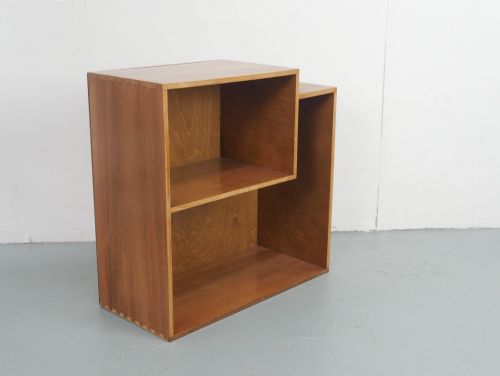
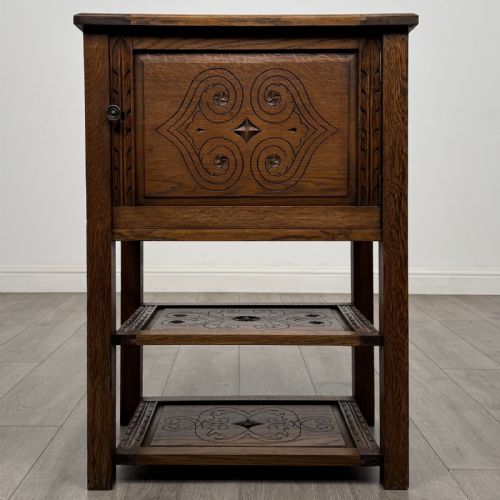

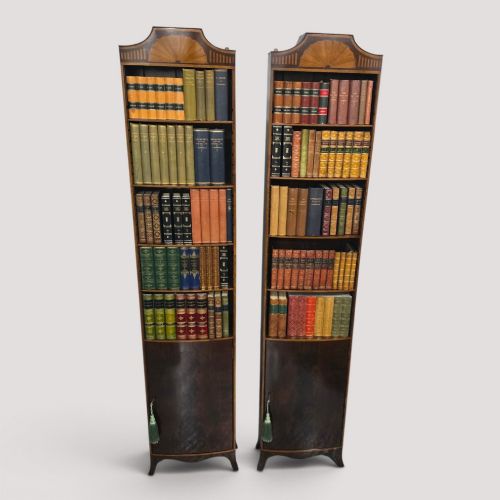
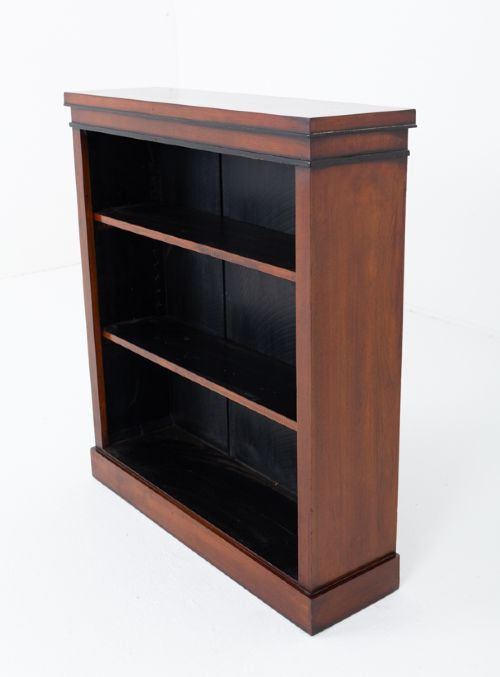
Vintage Open Shelving Cabinet
These vintage open shelving cabinet designs bring immediate utility and understated character to any room.
Vintage Open Shelving Cabinet
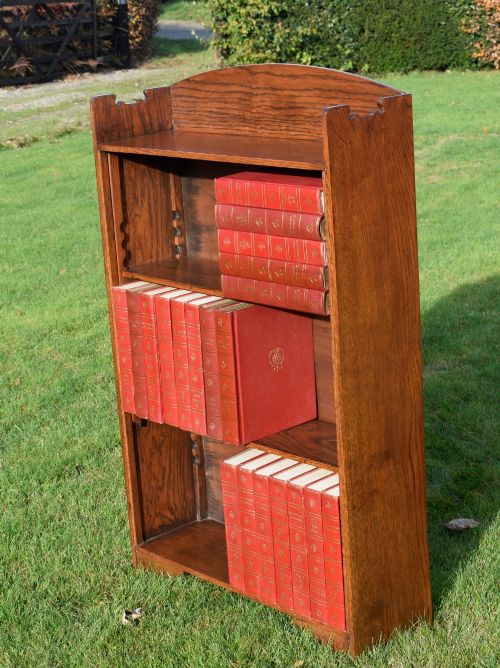
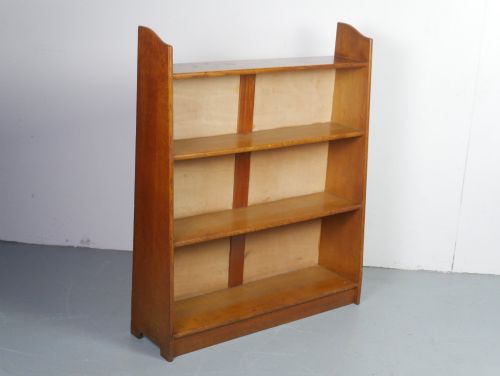
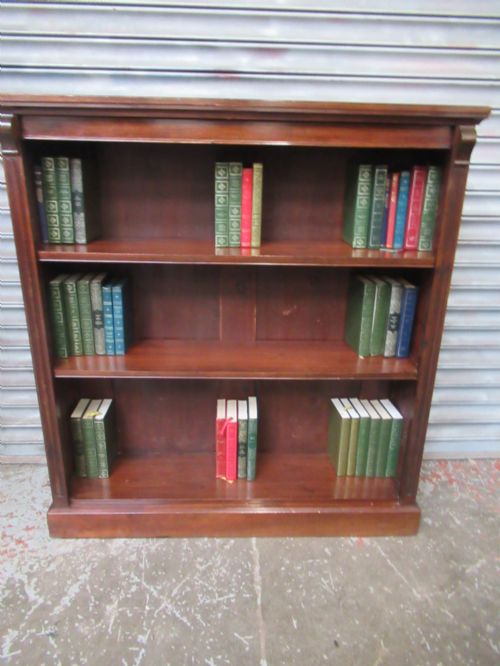
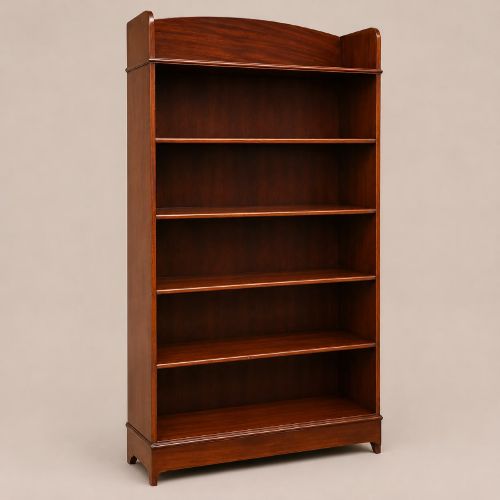
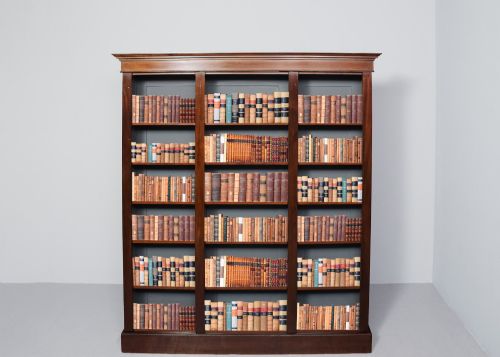
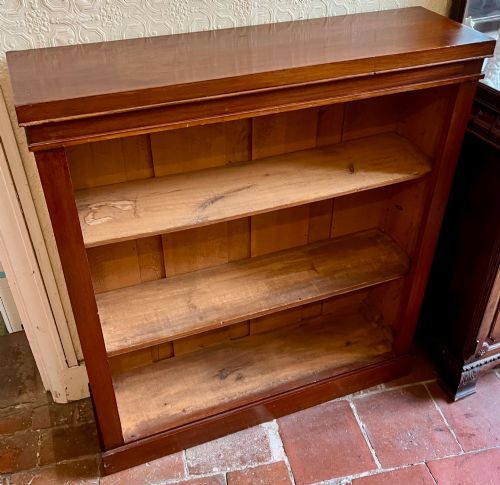
A vintage open shelving cabinet combines accessible display space with robust storage, serving primarily as a bookcase, dresser, or side unit. Buyers seek these pieces to organise libraries or exhibit collections while maintaining an open, airy feel in a domestic interior.
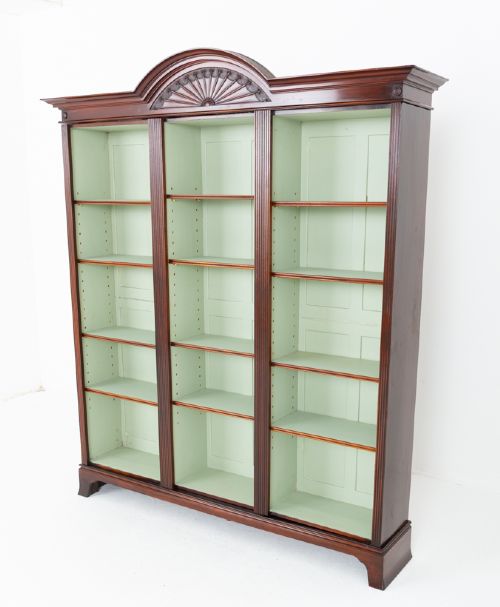
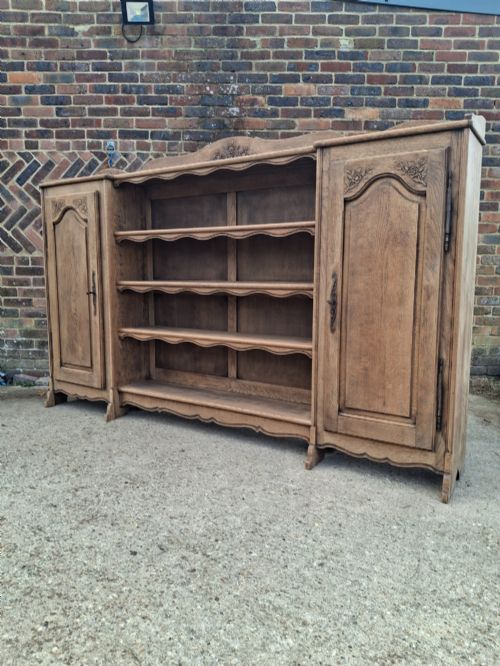
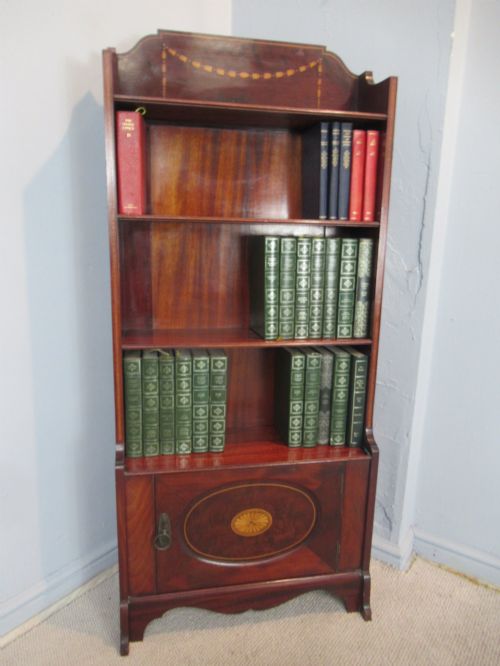
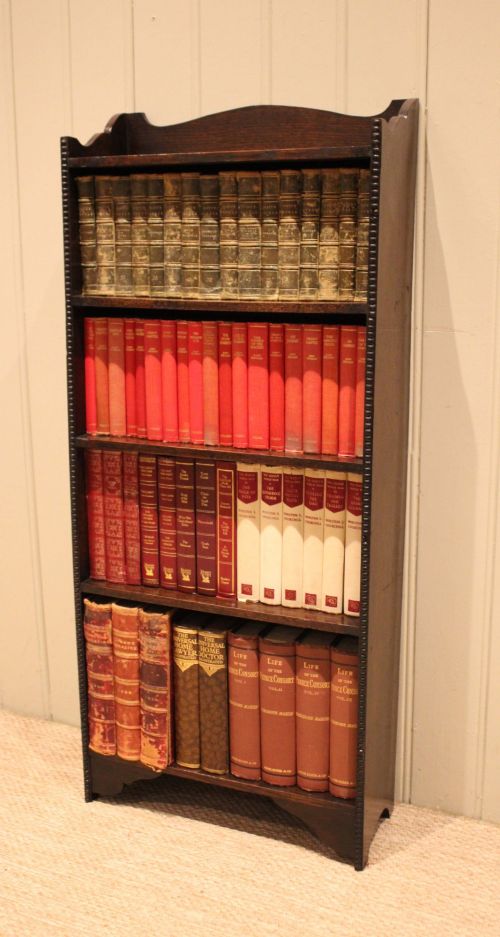
The most common examples on this page date from the Victorian, Edwardian, and early twentieth-century periods. These range from narrow mahogany bookcases and oak side cabinets to substantial Welsh dressers featuring multiple open tiers.
How they were made
Joiners and cabinet makers relied heavily on solid hardwoods like mahogany, oak, walnut, and pine to construct the main carcasses and shelving units. Many pieces incorporate subtle decorative elements such as satinwood inlay, brass fittings, carved edges, and dentil cornices.
Construction methods focus on practical utility, frequently employing adjustable shelving systems and sturdy panel backboards. Surface treatments include polished timber finishes and painted applications, particularly on French provincial examples.
Vintage Open Shelving Cabinet Retail Price Guide 2026
Typical asking prices for vintage open shelving cabinet among the pieces listed under this phrase on Sellingantiques today, from the lower quarter to the upper quarter. They describe what is for sale here now, not the wider market.
Some Edwardian oak dressers still retain the faint, lingering scent of old farmhouse kitchens and beeswax polish.
What varies in quality
The distinction between standard utility items and finer examples rests on timber selection and decorative restraint. Pieces utilising figured mahogany, rich walnut, or quarter-sawn oak demonstrate superior natural grain and depth of colour.
Craftsmanship in the details separates ordinary production from exceptional work. Delicately carved fretwork, precise inlay work, and well-executed architectural cornices indicate a higher tier of workshop output.
Heals·Liberty·Ercol
The Vintage Open Shelving Cabinet Glossary
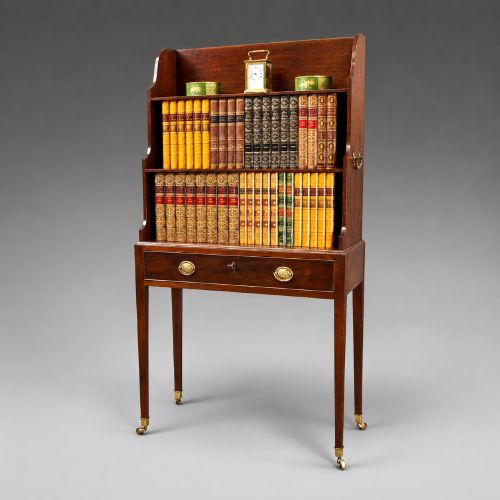
- Waterfall bookcase
- A stepped bookcase where each successive shelf is narrower than the one below, creating a cascading profile. These pieces typically date from the nineteenth century.
- Welsh dresser
- A traditional kitchen or dining room furniture form featuring lower cupboards or drawers surmounted by open plate racks or shelving tiers. Oak is the predominant timber for this form.
- Dentil cornice
- A classical architectural moulding characterised by a series of small, rectangular blocks spaced evenly along the underside of the top edge. This detail frequently appears on Edwardian and Georgian style bookcases.
- Whatnot
- A set of open display shelves supported by slender pillars, designed for ornaments and books. These pieces often feature pierced fretwork and corner placement.
- Raised gallery
- A low decorative railing or rim running along the top edge of a cabinet or bookcase. It prevents items placed on the upper surface from sliding off.
Vintage Open Shelving Cabinet: Frequently Asked Questions
Are the shelves adjustable?
Many examples on this page feature adjustable shelving supported by wooden ratchets or metal pins, allowing owners to alter shelf heights for different book sizes.
Buyers should inspect the specific listing details, as some older or simpler cabinets possess fixed shelves integral to the structural frame.
How do I style an open cabinet?
Open shelving cabinets provide an ideal platform for displaying books, ceramics, and personal collections within a living room or study.
Balancing vertical book stacks with horizontal objects creates visual variety without cluttering the exposed timber shelves.
What is the difference between oak and mahogany?
Oak furniture tends to offer a heavy, textured grain with a warm golden or dark brown tone, typical of Arts and Crafts and Jacobean revival pieces.
Mahogany provides a smoother, denser surface with deep reddish-brown hues, frequently associated with formal Victorian and Georgian library pieces.
Where should I place a corner whatnot?
Corner whatnots and shelving units are specifically engineered to utilise awkward or empty room angles efficiently.
They offer display space for small decorative objects without encroaching upon main floor circulation areas.