

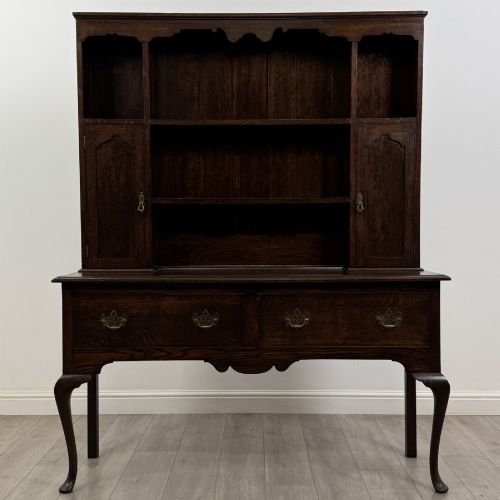
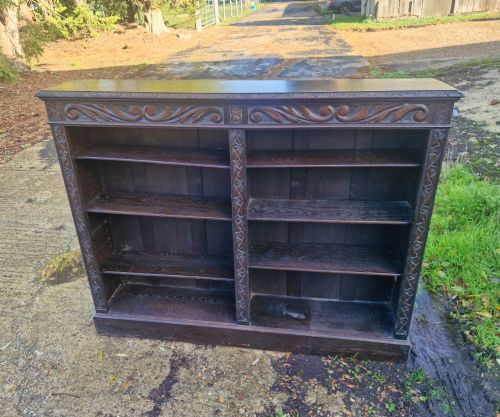




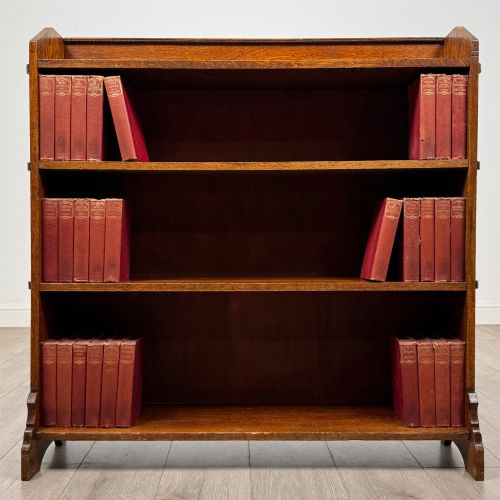
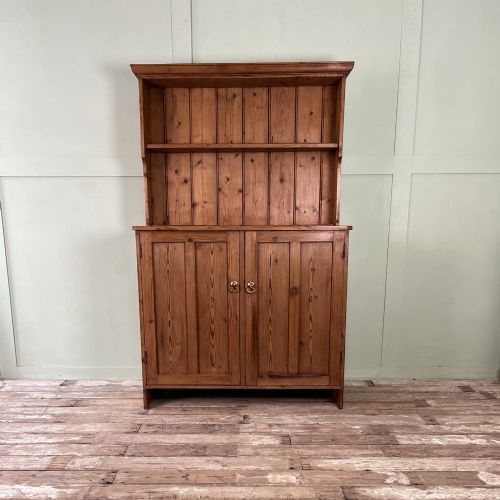
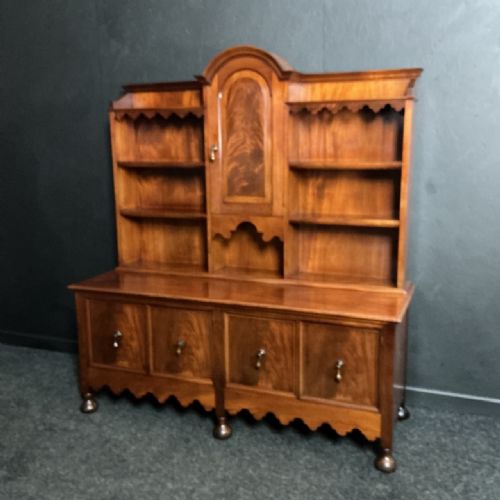
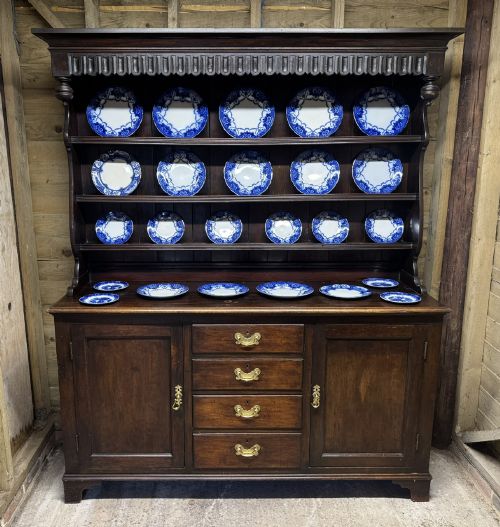
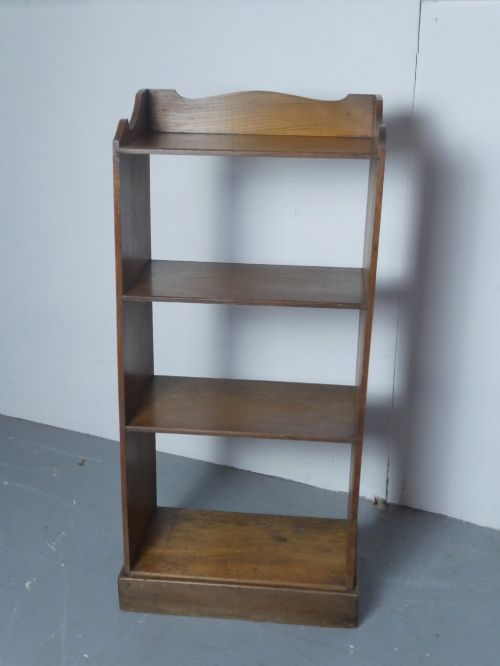
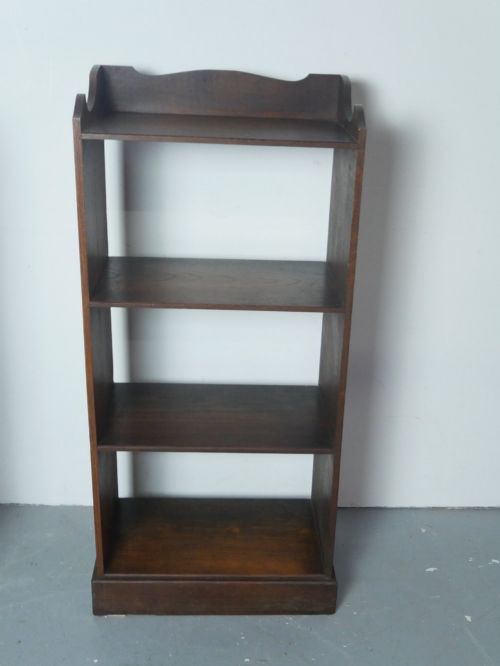
Vintage Open Display Rack
A vintage open display rack organises your room while holding books and pottery where you can reach them.
Vintage Open Display Rack
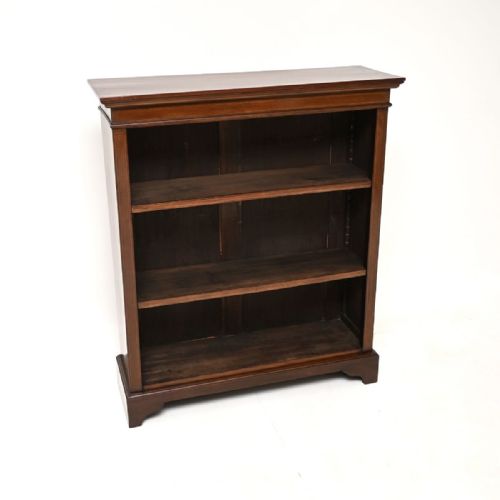
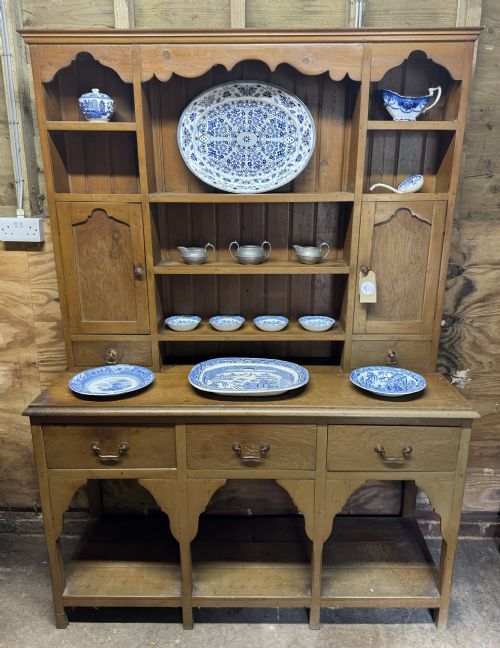
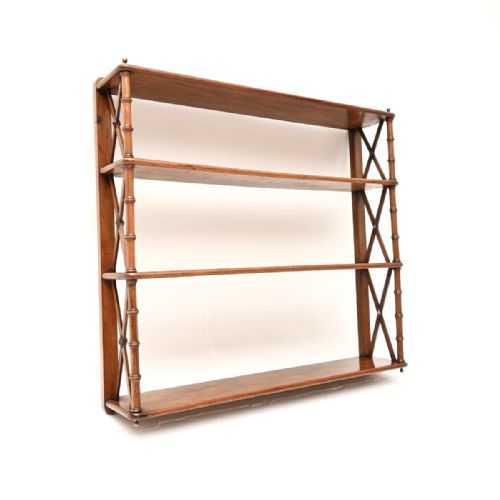
A vintage open display rack covers everything from slender wall-mounting bookshelves and corner whatnots to substantial oak and pine dressers with open plate shelves. You meet tall mahogany bookcases, compact Edwardian units, and rustic bakers racks designed for utility.
The pieces emerge from domestic parlours, country kitchens, and Victorian shops, bringing practical shelving into modern living spaces. Oak and mahogany versions dominate the selection, spanning periods from the early nineteenth century through to the Art Deco era.
Makers shaped these items for everyday storage, creating furniture that displays collections without the barrier of glass doors. Each piece relies on open access, letting books, ceramics, and ornaments sit directly in the room.
Materials and Construction
Cabinetmakers built these racks using solid hardwoods like mahogany, walnut, and oak, alongside pine and satinwood for painted or lighter pieces. Iron and wrought iron appear in bakers racks and utility stands, providing robust support for heavy items.
Joinery techniques include pegged joints, dovetailing in drawer construction, and inlaid banding or scroll-work carved directly into the timber. Surfaces often retain original patinas, wax finishes, or hand-painted details applied during the Edwardian and Victorian periods.
Vintage Open Display Rack Retail Price Guide 2026
Typical asking prices for vintage open display rack among the pieces listed under this phrase on Sellingantiques today, from the lower quarter to the upper quarter. They describe what is for sale here now, not the wider market.
Early bakers managed cooling pastries on iron scroll-work before these racks found a second life holding paperback collections.
Indicators of Excellence
The finest examples display careful timber selection, such as burr walnut veneers or figured mahogany with rich, deep grain patterns. Superior construction shows in tight joints, balanced proportions, and refined details like beaded edges or decorative cut-outs.
Lesser pieces rely on simpler pine or plain oak with minimal detailing, serving utilitarian purposes rather than decorative refinement. Quality also rests on the preservation of the original finish and patina, which speaks to how carefully a piece has aged.
The Vintage Open Display Rack Glossary
- Whatnot
- A small open shelving unit with multiple tiers, designed to display ornaments and knick-knacks in a Victorian parlour.
- Welsh Dresser
- A traditional piece featuring a base of cupboards and drawers topped by open display shelves for plates and pottery.
- Patina
- The surface sheen and colour developed by wood through age, handling, and regular waxing over many decades.
- Waterfall Bookcase
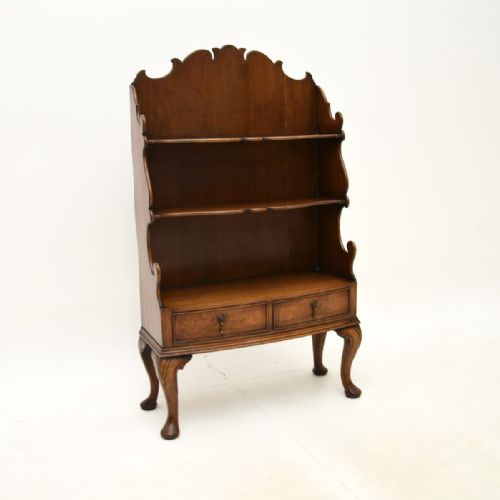
- A piece with receding shelves that step back as they rise, creating a tiered profile resembling a cascade.
- Bakers Rack
- A heavy metal or iron frame fitted with open wire or wooden shelves, originally utilised for cooling baked goods.
Vintage Open Display Rack: Frequently Asked Questions
Where should I put a wall hanging shelf?
Wall hanging shelves suit smaller rooms or hallways where floor space is limited, letting you display books or ceramics at eye level.
Secure them directly into wall studs or masonry to support the weight of heavy volumes or dense timber.
How do I clean an oak display rack?
Dust the timber regularly with a soft, dry cloth to prevent grit from scratching the surface.
Apply a traditional beeswax polish occasionally to nourish the wood and maintain its natural lustre without using harsh modern sprays.
Can these racks hold heavy books?
Solid oak and mahogany units handle substantial volumes easily, provided the shelves rest securely on firm supports.
Check the thickness of the timber and the condition of the shelf fixings before loading them with dense collections.
How do I spot an Edwardian bookcase?
Edwardian pieces often feature lighter golden oak or inlaid mahogany, reflecting a shift towards brighter domestic interiors around nineteen hundred.
Look for refined decorative touches like carved scroll-work or Arts and Crafts cut-outs that distinguish them from heavier Victorian furniture.