
Vintage Open Bookshelves
Vintage open bookshelves organise libraries with architectural grace, offering immediate access to volumes while displaying grain and finish.
Vintage Open Bookshelves
Vintage open bookshelves comprise freestanding furniture, wall-mounted display shelving, and low units designed specifically to store and exhibit books without glazed doors. These pieces emerge from periods spanning the nineteenth century through the early decades of the twentieth century, including Victorian, Edwardian, and Art Deco eras.
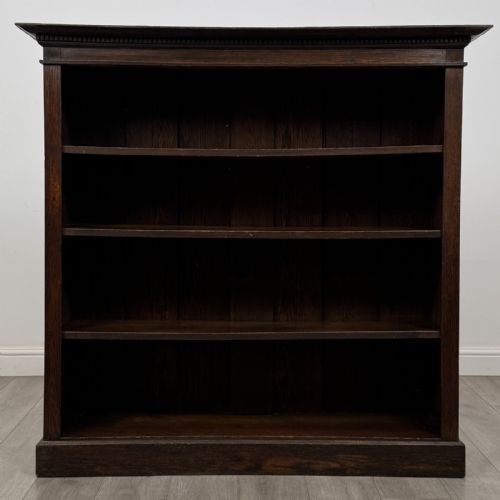
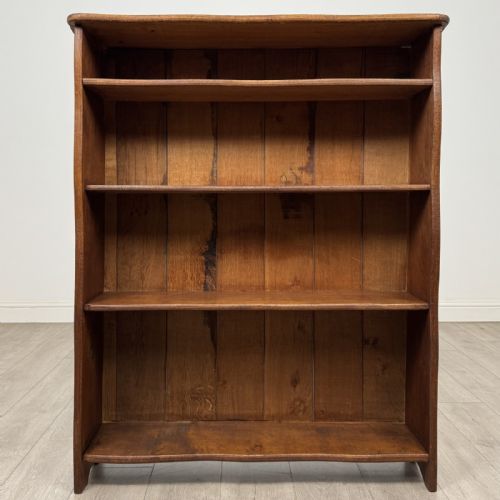
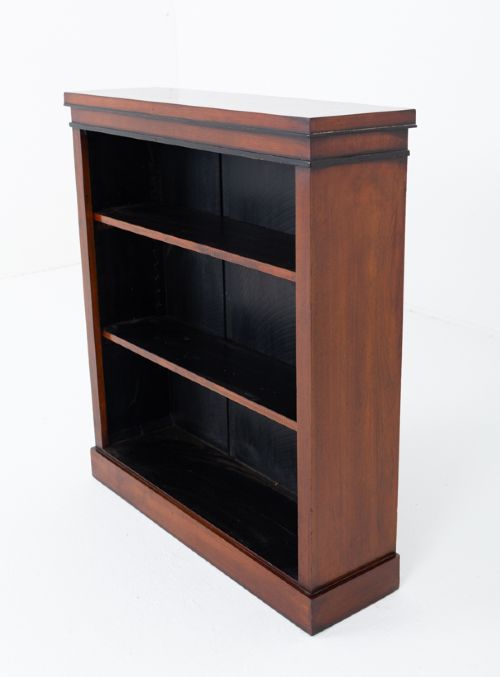
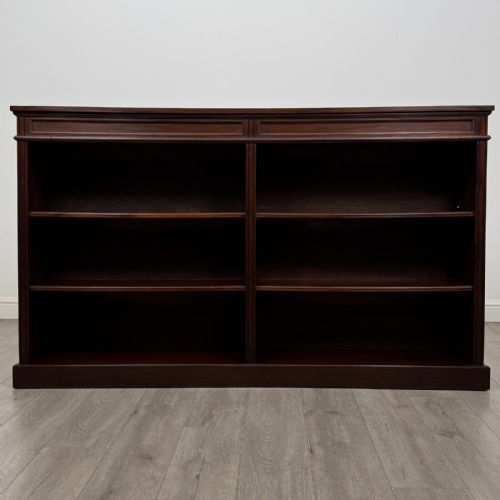
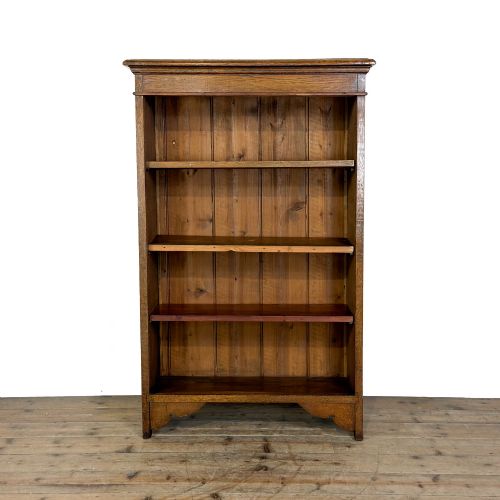
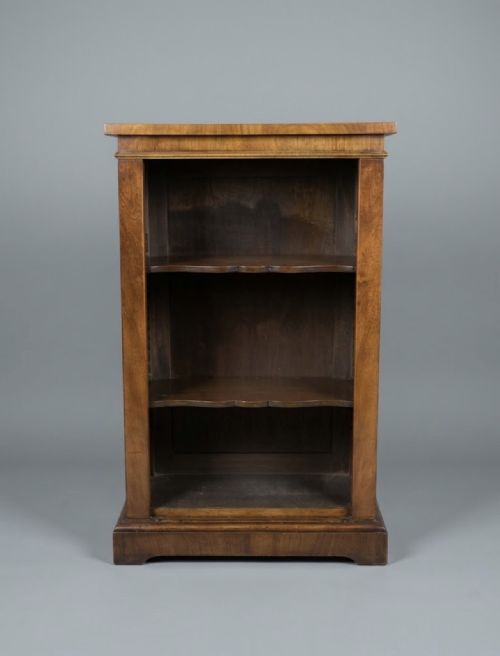
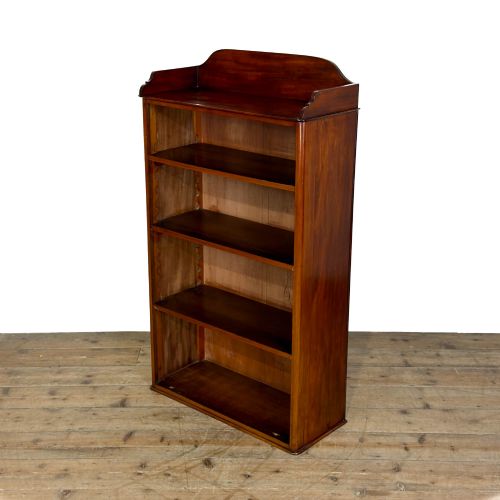
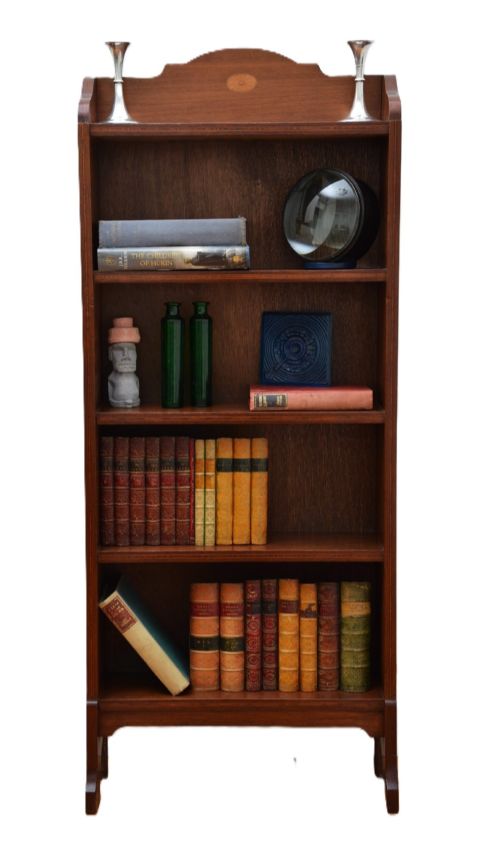
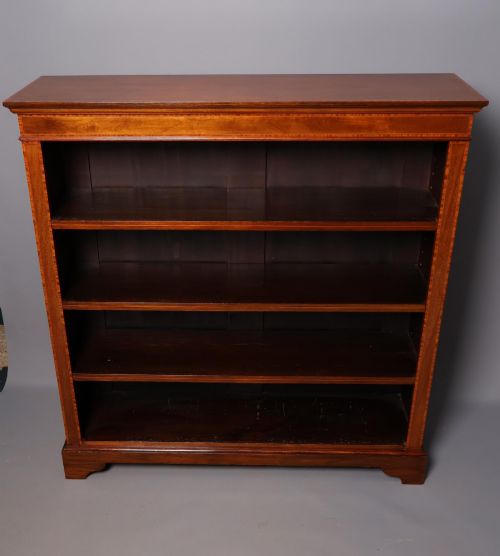
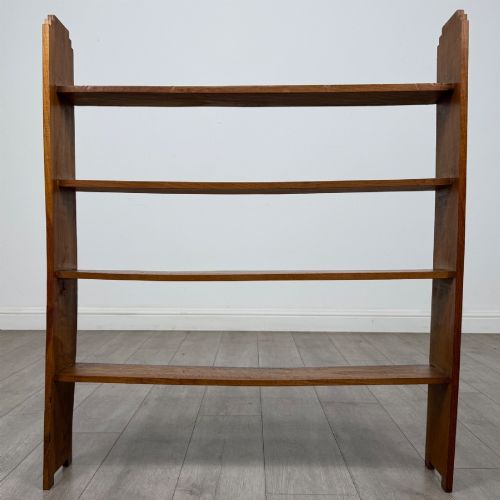
The version most frequently encountered on this page is the Edwardian or early twentieth-century oak open bookcase, often constructed with simple uprights and adjustable shelving. Alongside these utilitarian oak pieces appear mahogany variants, rustic country pine shelves, and burr walnut furniture.
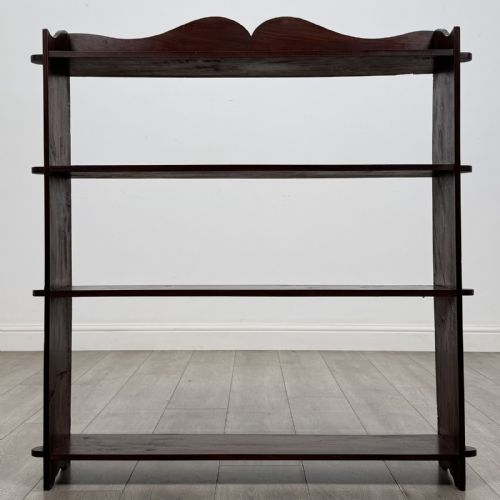
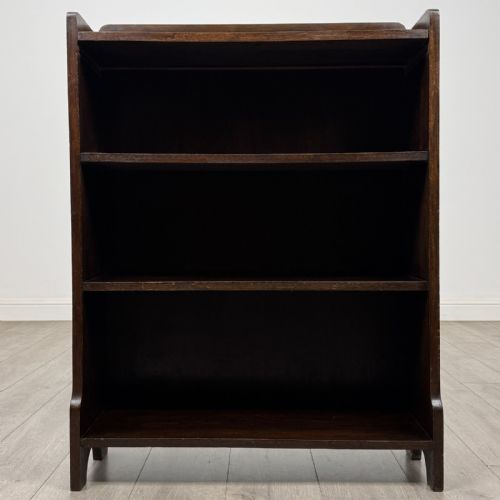
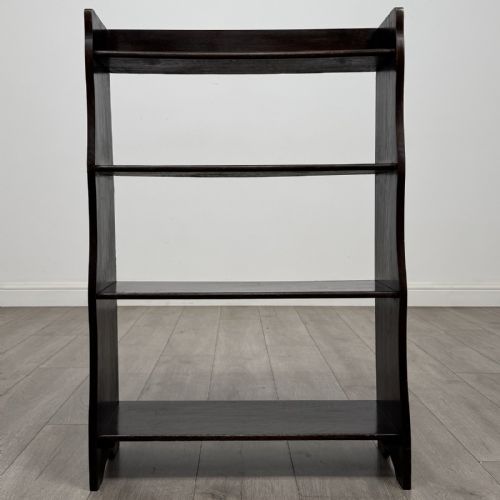
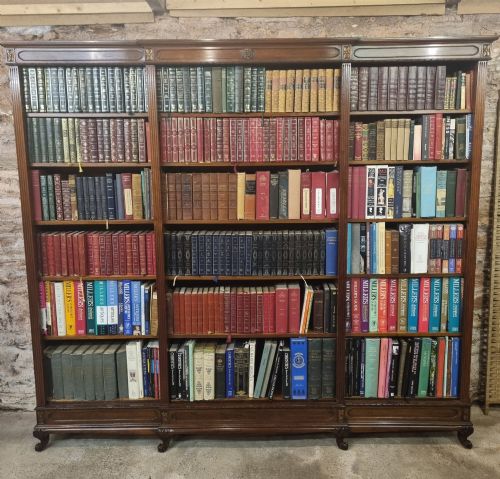
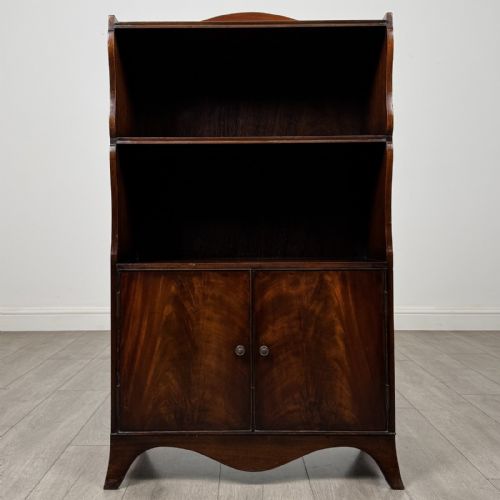
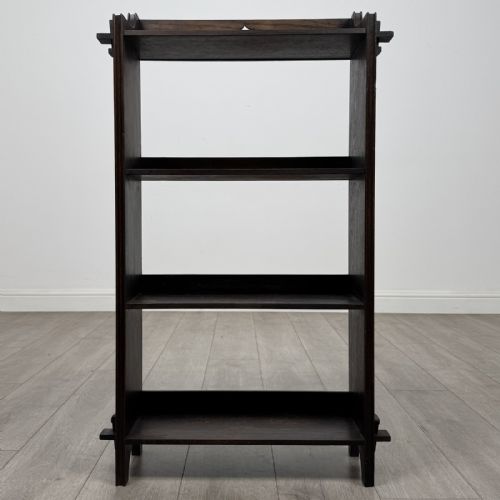
Forms range from slim waterfall tiers and angled designs to large late Victorian models and low side tables combined with display shelving. Makers and workshops from the Arts and Crafts movement also contributed distinctive designs featuring exposed joinery and handcrafted detailing.
Distinctions in quality
Quality reveals itself in the selection of timber and the precision of the joinery rather than mere decorative flourish. Superior examples employ solid oak, mahogany, or burr walnut with stable, straight uprights that resist warping under heavy loads.
The sophistication of the internal mechanics, such as cleanly cut adjustable shelf racks, separates standard utility furniture from finer workshop pieces. Finer items also display thoughtful proportion, balanced cornices, and harmonious wood figuring across the visible faces.
Some early twentieth-century shelves still carry faint chalk marks left by workshop joiners fitting the boards.
Heals
The Vintage Open Bookshelves Glossary
- Waterfall bookcase
- A tiered set of open shelves that steps back progressively as the structure rises. This form originated in the nineteenth century and maximises floor space.
- Adjustable shelves
- Internal boards supported by movable pegs or notched wooden strips. This feature allows users to alter shelf heights for varying book sizes.
- Arts and Crafts
- A design movement prioritising traditional craftsmanship and visible construction over industrial ornament. Pieces from this style often utilise solid oak with simple geometric lines.
- Burr walnut
- A highly prized timber veneer showing swirling growth patterns and knot clusters. Cabinetmakers used this decorative wood on prominent surfaces of select bookcases.
- Inlaid mahogany
- Furniture constructed from tropical hardwood decorated with contrasting strips of lighter wood. This technique adds subtle linear detail to Edwardian frames.
Vintage Open Bookshelves: Frequently Asked Questions
How do I spot an Edwardian oak bookcase?
Edwardian oak open bookcases typically display lighter golden tones and simpler rectilinear proportions than their darker Victorian predecessors. They often feature plain plinths and adjustable wooden shelf supports.
Many examples from this era incorporate subtle inlaid stringing or draw influence from the Arts and Crafts movement, reflecting a shift towards domestic simplicity.
Can these shelves hold heavy books?
Most vintage open bookcases utilise solid hardwoods like oak or mahogany designed specifically to bear significant weight. Adjustable shelving systems allow users to distribute loads evenly across sturdy supports.
Checking the thickness of the shelves and the condition of the upright supports ensures the furniture safely accommodates large collections of heavy volumes.
How do I care for antique wood finishes?
Maintain vintage wood by dusting regularly with a soft, dry cloth and avoiding placement near direct heat sources or strong sunlight. Periodic application of quality beeswax nourishes the grain without building up heavy chemical residue.
Preserving the original patina requires gentle cleaning rather than stripping or aggressive modern varnishes.