

Vintage Oil Portrait Study
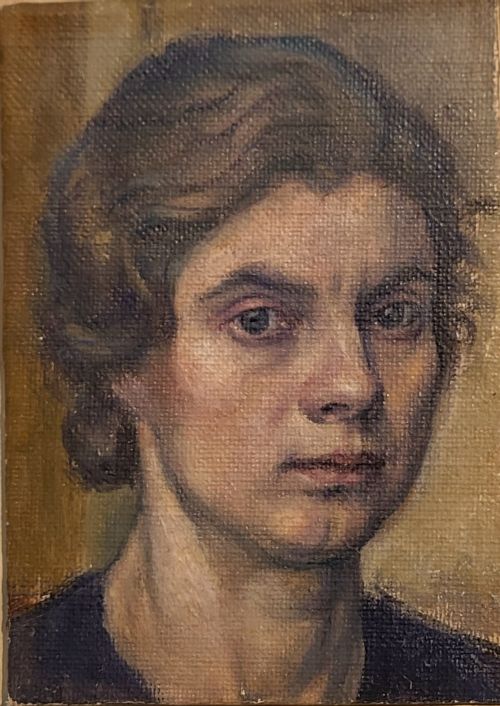
A vintage oil portrait study captures a fleeting likeness or anatomical pose, offering direct insight into academic training and studio practice.
Vintage Oil Portrait Study
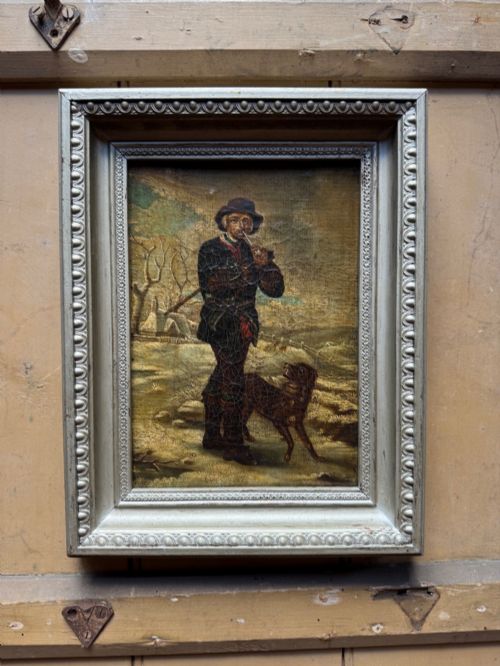
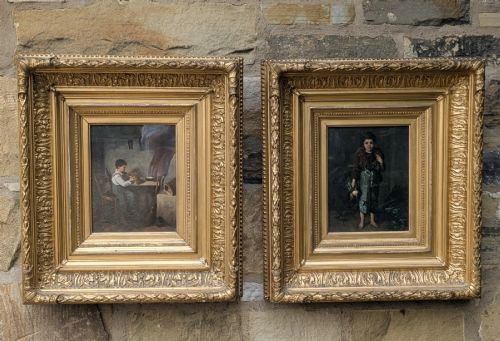
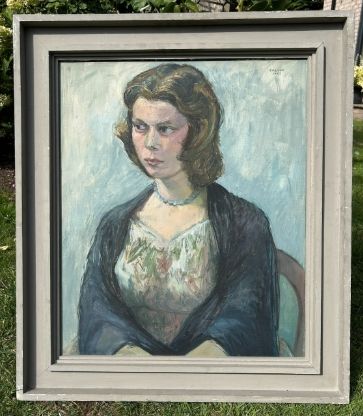
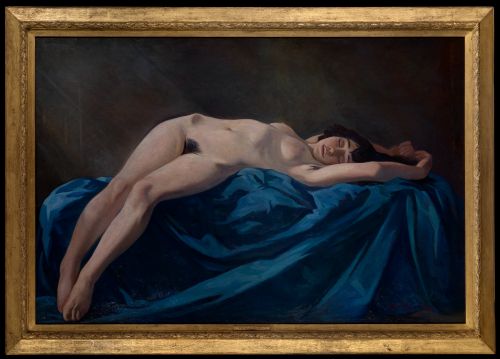
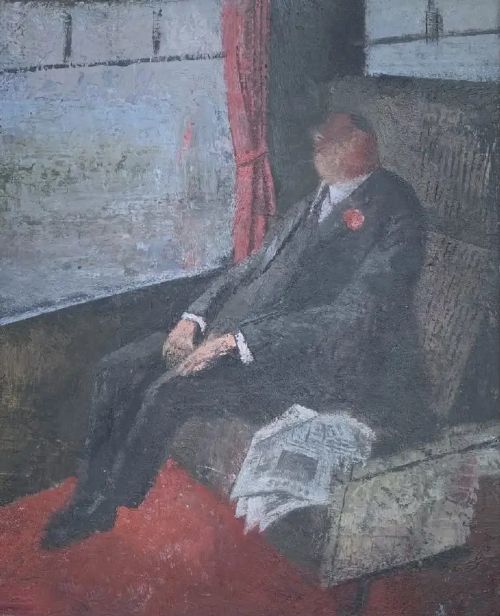
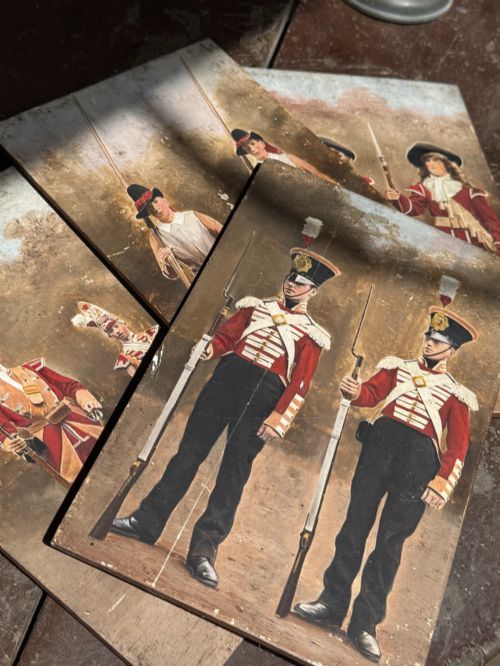
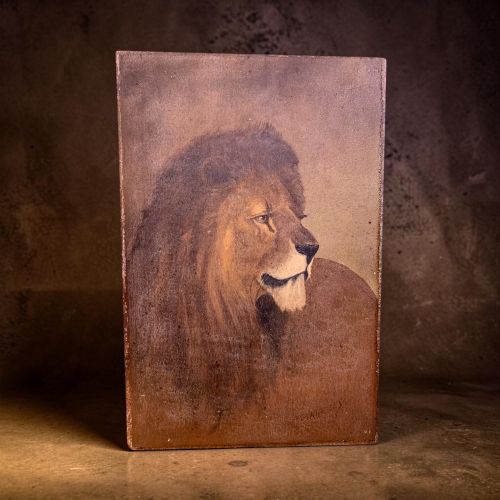
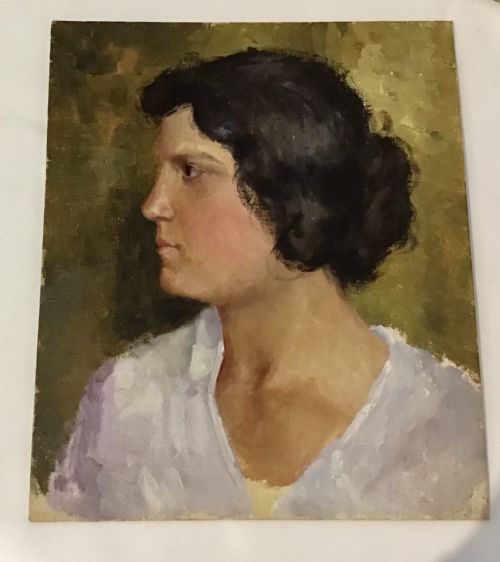
The material forms on this page span oil on canvas, oil paint applied to wooden panels, and oil paint on board, occasionally housed in gilt wood frames. Subjects extend beyond human sitters to include animals such as dogs, horses, and a lion, alongside specific thematic groupings like soldiers on panel or studio interiors. The overarching focus remains on observational studies capturing individual character or form.
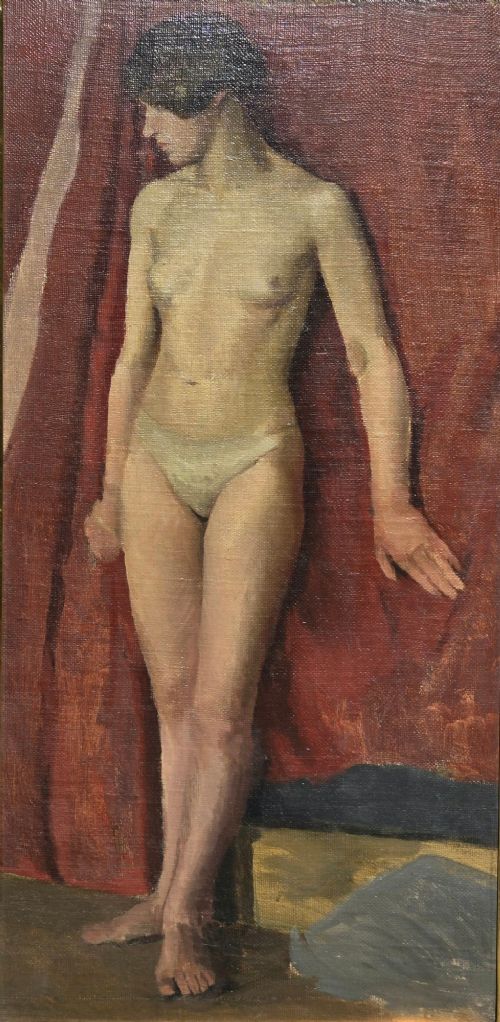
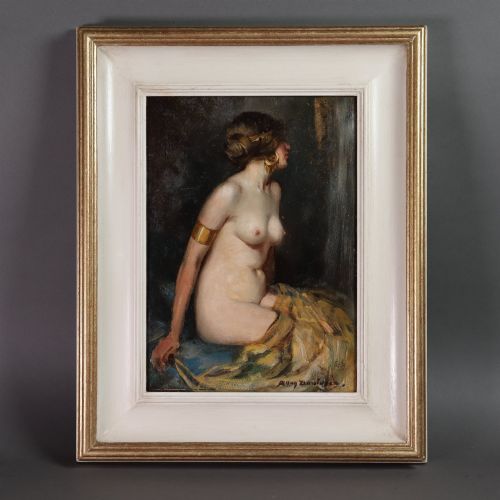
Originating from British, French, Italian, Belgian, and Swedish schools, these paintings reflect the shifting pedagogical methods of art academies and independent studios. Works date from the seventeenth century through to the post-war period of the nineteen-sixties, with the early twentieth century heavily represented by nude studies and head portraits. Collectors find both signed examples by listed artists and anonymous school pieces.
How they were made
Makers applied oil paint using brushes and palette knives onto flexible woven canvas or rigid supports such as wood panels and board. Canvas pieces were occasionally laid onto secondary board supports for stability, whilst panel supports utilised prepared wooden surfaces that held crisp brushstrokes. Grounds and priming layers were applied to seal the wood or canvas before the artist began working in oils.
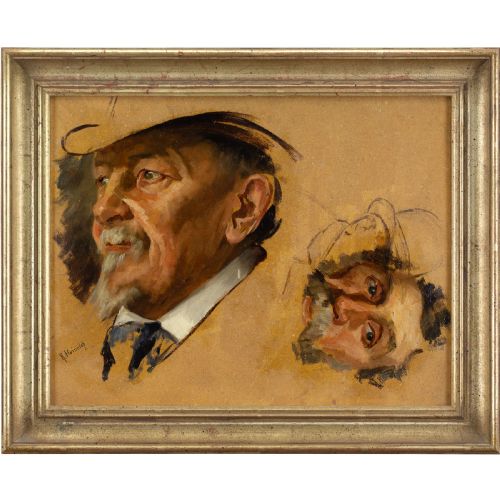
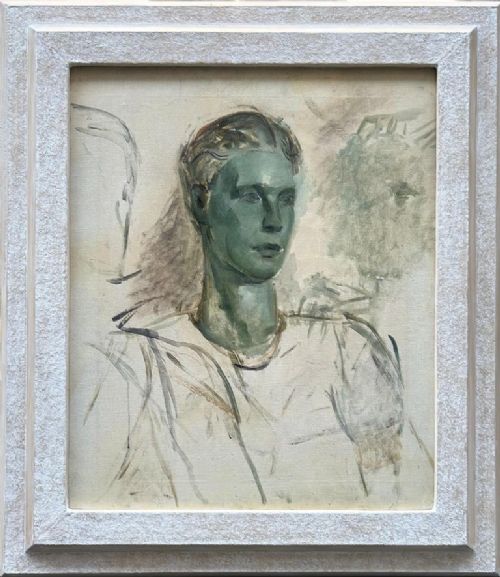
Techniques varied between rapid, impressionistic sketch marks capturing momentary light and shadow, and rigorous academic realism defining anatomical structure. Artists utilised monochromatic greyscale palettes known as en grisaille for tonal modeling, alongside vibrant applications of oil paint to render flesh tones, fabrics, and backgrounds. The physical application reveals the working method of the studio, showing where an artist corrected proportions or built up impasto layers.
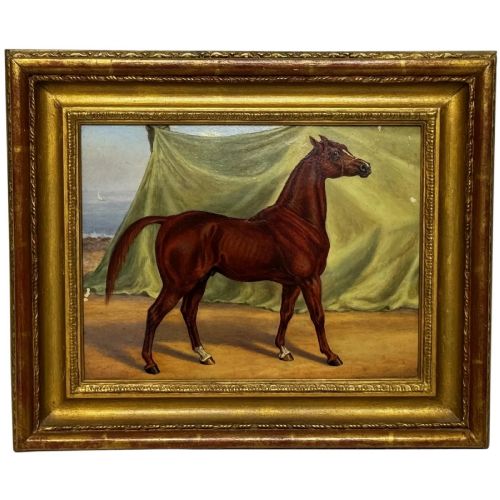
Among the human models and academic poses, a naive folk art lion and a purebred Arabian horse keep watch over the portrait studies.
What varies in quality
The visual strength of a study rests upon the confidence of the brushwork and the accuracy of tonal relationships. Stronger examples display an immediacy in capturing gesture and expression, whereas weaker works can appear rigid or formulaic in their handling of the subject. The success of a study often relies on how effectively the artist managed economy of line and paint application within a compressed timeframe.
Compositional balance and the treatment of light differentiate hurried exercises from accomplished artistic records. Pieces that demonstrate a sophisticated understanding of anatomical structure and negative space hold greater visual engagement. The integrity of the ground and the preservation of the original paint layer further distinguish well-kept studio survivals from neglected items.
Robert Heinrich·Kenneth Cozens·Eric Robertson·Oilver Messel·Winifred Rymer·Ernest Payne·Alexandre Louis Martin·Allan Douglas Davidson·Septimus Scott·James Clark·Frank Moss Bennett·Peter Jackson·Hans Temple·Yetta Kane·Raymond Arthur Roadnight·Valborg Goldschmidt
The Vintage Oil Portrait Study Glossary
- En grisaille
- Painting executed entirely in shades of grey or neutral monochrome. This technique was frequently employed for preparatory studies or to simulate sculptural reliefs.
- Academy model
- A painting or drawing of a live human model produced within an art academy setting. These works served as foundational training for students learning proportion and anatomy.
- Impaint
- A term sometimes associated with the textured buildup of paint, though impasto is the correct standard descriptor. It refers to paint applied thickly so that brush or palette knife marks remain prominent.
- Canvas board
- A rigid artist board surfaced with textured canvas fabric. It offered a portable and economical alternative to stretched canvas during the nineteenth and twentieth centuries.
- Academic realism
- A style of painting produced under the influence of European academies of art. It emphasises precise draftsmanship, idealized forms, and rigorous observation of the subject.
Vintage Oil Portrait Study: Frequently Asked Questions
What is an oil portrait study?
An oil portrait study is a painting created to explore a subject's likeness, expression, or anatomy without the constraints of a formal commissioned portrait. Artists often produced these quickly to capture lighting, mood, or structural details.
In many cases, these studies served as preparatory work for larger compositions or as classroom exercises in academic settings. They frequently showcase a looser, more expressive painting technique than finished gallery pieces.
How do I identify academic paintings?
Academic paintings generally exhibit a strong emphasis on correct human anatomy, balanced composition, and traditional drawing skills. They often feature professional models posed in studio interiors.
Look for evidence of structured lighting and careful tonal gradation which reflect nineteenth and early twentieth-century art school training methods.
Why are some portraits uncredited?
Many historical portraits and figure studies were unsigned because they were created as informal practice pieces, student exercises, or anonymous studio records rather than commercial artworks meant for exhibition.
Artists frequently discarded or stored these uncredited works without signing them, as they were viewed as working tools rather than finished pieces.
How should I display vintage paintings?
Vintage oil paintings on canvas or panel benefit from stable indoor environments away from direct sunlight and excessive humidity fluctuations. Proper hanging hardware matched to the weight of the frame ensures structural security.
Allowing adequate wall space around the artwork lets the textures of the oil paint and the character of the original support remain the focal point of the room.