





Vintage Office Elbow Chair
These vintage office elbow chairs combine firm support with classic timber framing, offering a reliable seat for daily desk work.
Vintage Office Elbow Chair
A vintage office elbow chair offers sturdy seating designed for a workspace, combining supportive arms with a sturdy timber frame. These pieces often function as desk chairs, captains chairs, or library armchairs.
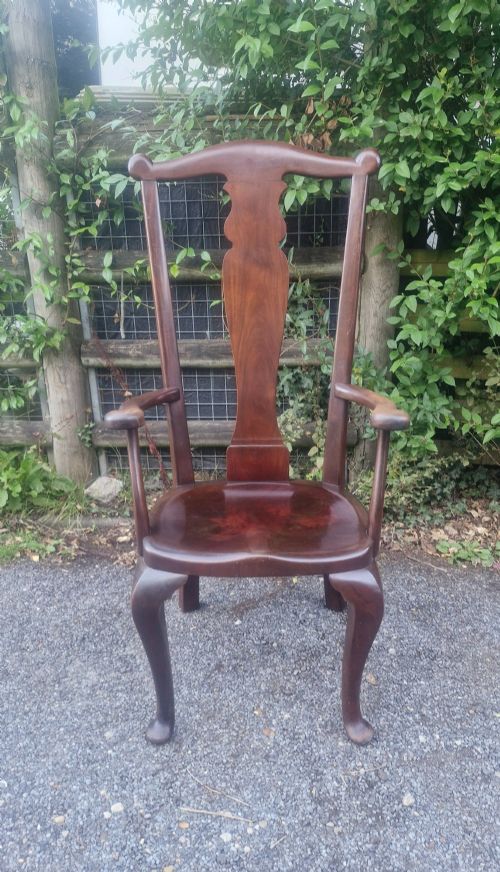
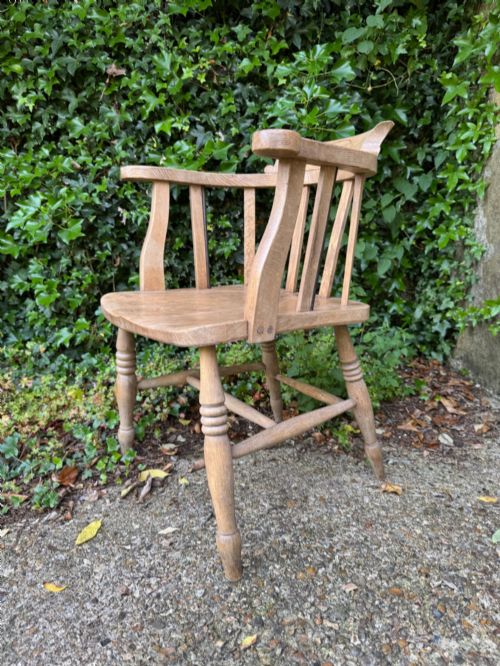
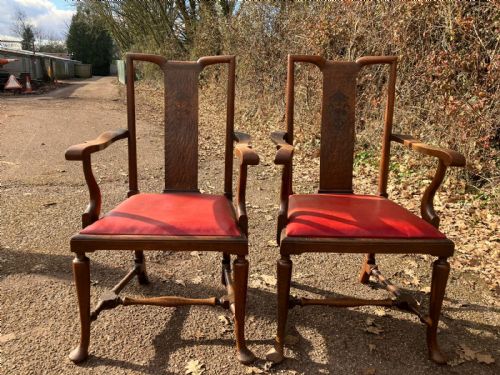
Most examples found here date from the Victorian and Edwardian periods up to the early twentieth century. Common forms include open arm desk chairs, bow back captains chairs, and high back mahogany seating.
Makers and designers drew on earlier aesthetics, resulting in revival styles such as Georgian, Queen Anne, and Sheraton. Buyers often select these chairs to anchor a traditional study or home office.
How they were made
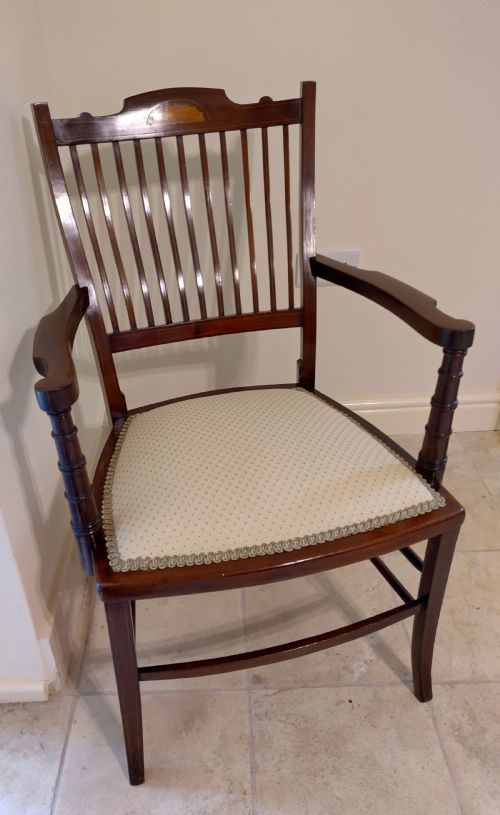
Makers constructed these chairs primarily using solid timbers like mahogany, oak, and walnut. Artisans shaped frames with carved details, spindle backs, and inlaid woodwork depending on the prevailing style.
Upholstery involved leather and various fabrics fitted to the seat or backrest. Brass fittings and hardware frequently reinforced joints and provided functional movement or decorative accents.
Vintage Office Elbow Chair Retail Price Guide 2026
Typical asking prices for vintage office elbow chair among the pieces listed under this phrase on Sellingantiques today, from the lower quarter to the upper quarter. They describe what is for sale here now, not the wider market.
Schoolmasters and nineteenth-century captains clearly appreciated a solid curved back for long hours of paperwork.
What varies in quality
The refinement of the timber carving and the integrity of the joinery set finer chairs apart from simpler utility seating. Superior examples show careful attention to proportions, grain matching, and structural stability.
The quality of the original leather or upholstery materials influences the overall character of the piece. Well executed revival styles demonstrate a closer adherence to historical cabinetmaking standards.
COOPER & HOLT
The Vintage Office Elbow Chair Glossary
- Elbow chair
- A chair equipped with armrests designed to support the elbows. These chairs frequently serve dual purposes at a desk or in a reception room.
- Captain's chair
- A sturdy timber armchair featuring a curved low back and continuous arm rail. This form originated in traditional workspaces and club rooms.
- Revival style
- Design work that looks back to historical periods such as Georgian or Queen Anne. Makers reinterpreted these earlier forms for contemporary interiors.
- Spindleback
- A chair back constructed with a series of narrow turned wooden rods. This technique provides light yet robust support.
- Carver
- A traditional term for an armchair, often matching a set of smaller dining or desk chairs. These pieces feature prominent armrests for added presence.
Vintage Office Elbow Chair: Frequently Asked Questions
What is a vintage office elbow chair?
A vintage office elbow chair is a supportive wooden seat featuring built-in armrests for a workspace or library. These pieces range from simple oak desk chairs to upholstered Victorian club models.
They combine practical seating with period craftsmanship, often drawing on revival styles from earlier centuries.
How do I date these chairs?
Dating relies on examining the timber species, construction methods, and stylistic revival cues present in the frame. Victorian and Edwardian examples exhibit distinct carving techniques and hardware.
Comparing the wood finish and joinery helps determine whether a piece originates from the nineteenth or early twentieth century.
Are these chairs suitable for daily desk work?
Many vintage elbow chairs provide sturdy support and comfortable proportions suitable for regular use at a desk. Their solid timber frames offer lasting durability for everyday tasks.
Buyers often select them to add traditional character to a home office or study environment.
What woods were used for these chairs?
Cabinetmakers utilised durable hardwoods such as mahogany, oak, and walnut to build these office and desk chairs. Each timber brings distinct grain patterns and colour variations to the piece.
Brass elements occasionally appear as structural or decorative fixings on the frames.