






Vintage Office Cupboard
A vintage office cupboard brings purposeful utility and timber grain into a room, offering compartments designed for storage.
Vintage Office Cupboard
A vintage office cupboard satisfies the search phrase through an assortment of desks, filing cabinets, and storage units spanning several centuries. These pieces originate from the Georgian, Victorian, Edwardian, and Art Deco eras, carrying the functional forms of past workplaces.
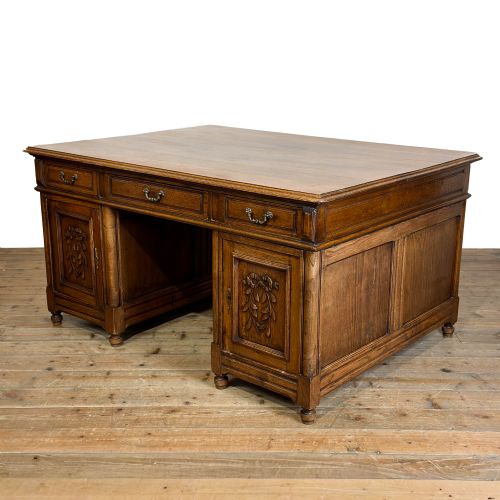
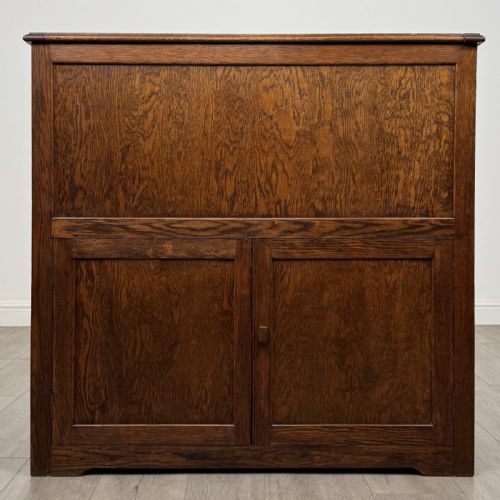
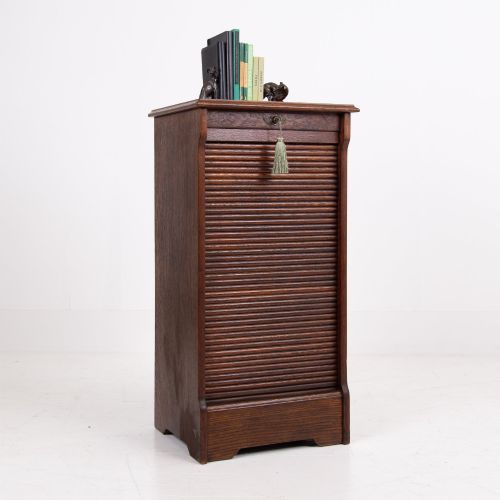
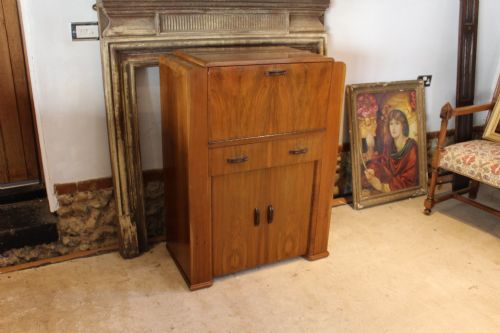
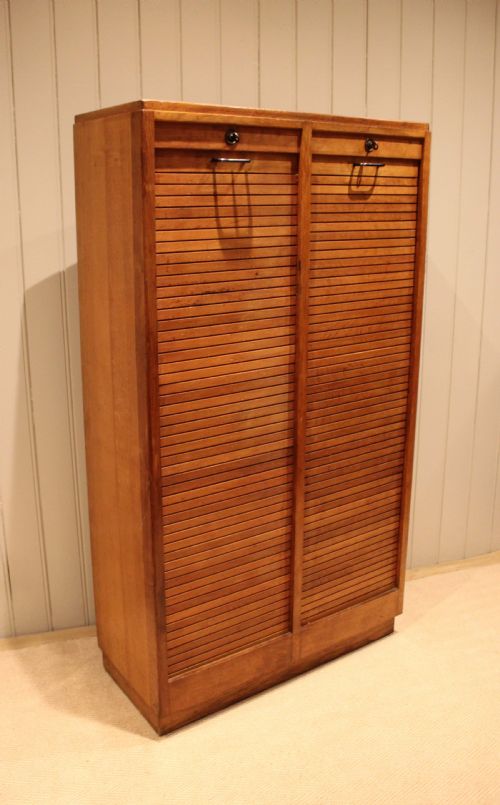
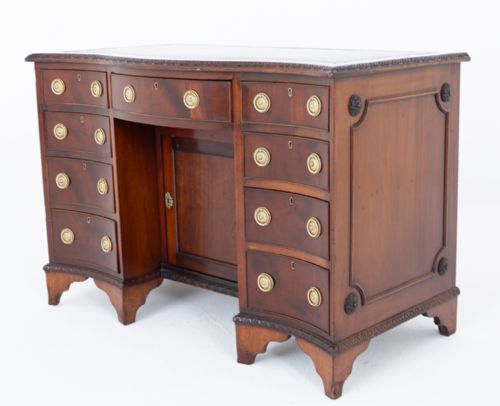
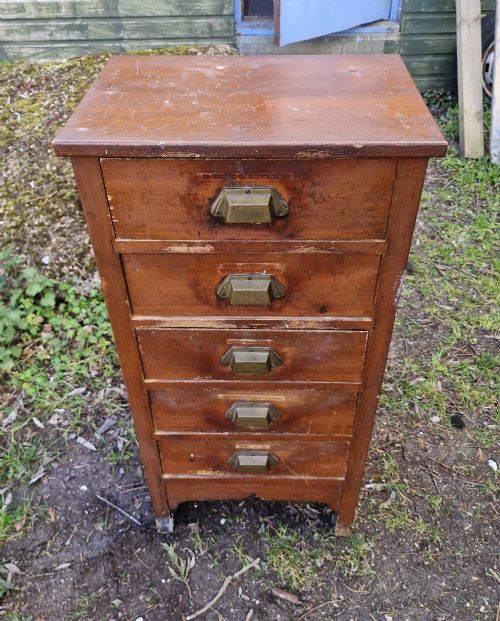
The most common versions met on this page are oak and mahogany cupboards, alongside specialised storage like bureau bookcases, tambour door cabinets, and multi-drawer filing units. They range from simple single-door storage to large breakfront desks and tall clerical cabinets.
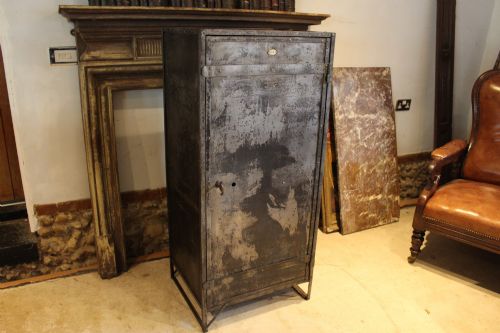
Makers and makers' marks appear on selected pieces, linking standard office forms to specific workshops and manufacturers from the nineteenth and twentieth centuries. The selection encompasses industrial metal pieces, French utility designs, and traditional British cabinetry.
How they were made
Makers constructed these cupboards and desks primarily using hardwoods such as oak and mahogany, complemented by walnut, pine, and occasional metal frames. Brass hardware, including handles and locks, secures drawers and doors across many periods.
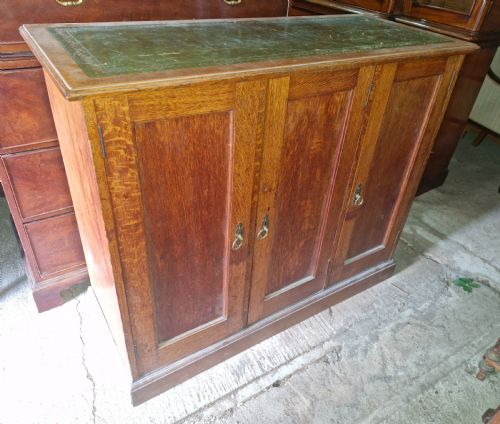
Techniques varied from simple dovetailed drawers and panelled doors to complex mechanisms like tambour fronts and internal pigeon holes. Leather inserts appear on writing surfaces, while specialised internal fittings cater to stationery, folios, and letters.
Vintage Office Cupboard Retail Price Guide 2026
Typical asking prices for vintage office cupboard among the pieces listed under this phrase on Sellingantiques today, from the lower quarter to the upper quarter. They describe what is for sale here now, not the wider market.
Listings feature oak and mahogany as the predominant woods, alongside brass hardware and leather inserts.
What varies in quality
Quality reveals itself in the selection of timber grain, the weight of the brass fittings, and the complexity of internal storage arrangements. Pieces with original hardware and specialised mechanisms like tambour shutters or patent letter files stand apart from simpler utilitarian builds.
The integrity of construction, from tight joints in drawer construction to the finish of the mahogany or oak surfaces, dictates the standing of each piece. Maker attribution, such as branded or stamped cabinet work, further elevates particular cupboards and desks.
E Gomme·F.H. Marshall & Co·Johnstone & Jeanes·Maple & Co·Amberg
The Vintage Office Cupboard Glossary
- Tambour door
- A flexible door formed of narrow strips of wood glued to canvas, allowing it to slide smoothly around a curved track on a cabinet.
- Bureau bookcase
- A combination furniture form featuring a sloping flap that opens for writing above a bookcase or shelving section.
- Kneehole desk
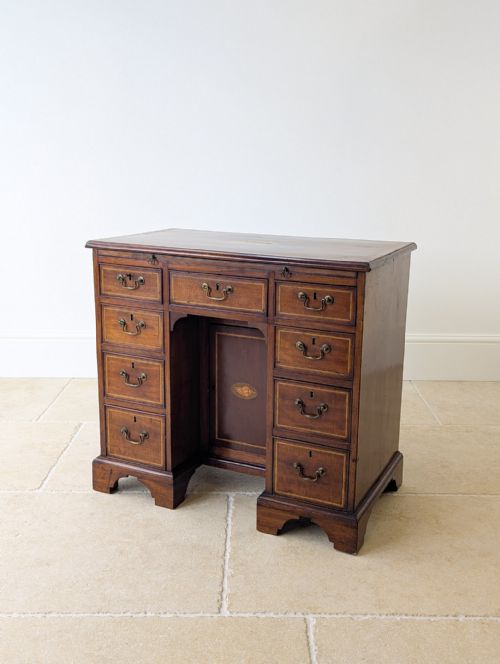
- A compact desk design featuring a central recess for the user's legs, flanked by pedestals of small drawers.
- Pigeon hole
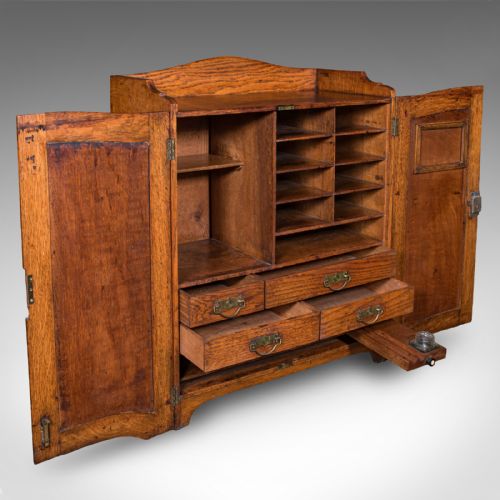
- A small, open compartment within a desk or cabinet used for sorting letters and documents.
- Cartonniere
- A piece of furniture fitted with multiple horizontal compartments or boxes designed to hold loose papers and files.
Vintage Office Cupboard: Frequently Asked Questions
How do I identify a Victorian office cupboard?
Victorian pieces often utilise heavy mahogany or oak, displaying rich timber grains and traditional brass handles. Look for construction details like hand-cut dovetails and deep pedestal configurations.
Many examples from this era include practical additions such as pigeon holes or military-style brass drop handles suited for heavy office use.
What is a tambour door cabinet?
A tambour door cabinet uses slatted wooden strips mounted on fabric to create a sliding door that curves around the side of the unit. This mechanism allowed efficient access to files in tight office spaces.
Such cabinets frequently appear in early twentieth-century office furniture and require careful handling of the track mechanism during maintenance.
How were old filing cabinets used?
Old filing cabinets and storage units held ledgers, correspondence, and stationery in a pre-digital workplace. Interiors often featured specialised dividers, letter files, or shallow drawers for specific paperwork.
These organizational compartments now lend themselves to sorting modern household paperwork or storing craft materials.
Are these cupboards suitable for modern homes?
These pieces integrate easily into contemporary rooms by offering concealed storage for electronics, books, and stationery. Their traditional timber finishes add warmth and architectural character to a study or living space.
Measuring the depth and internal clearance helps ensure the cabinet accommodates modern items like lever-arch files or laptops.