

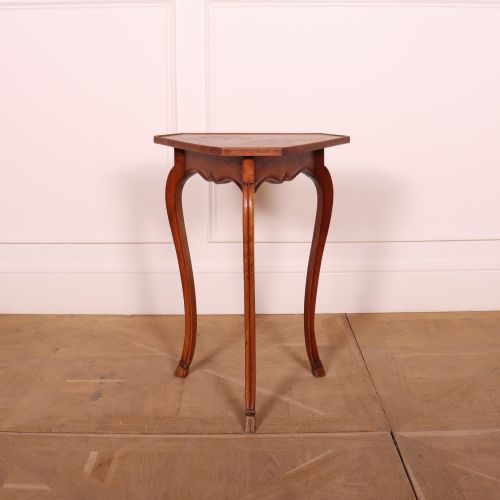
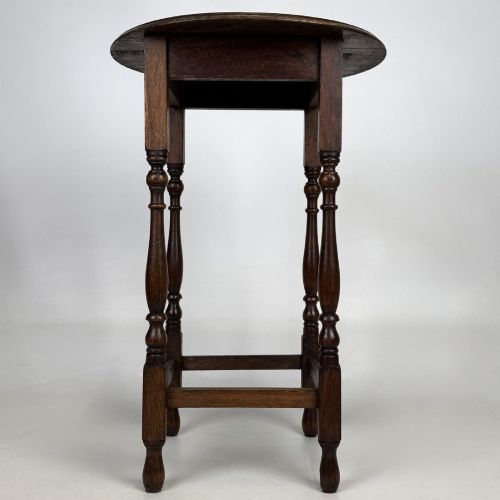

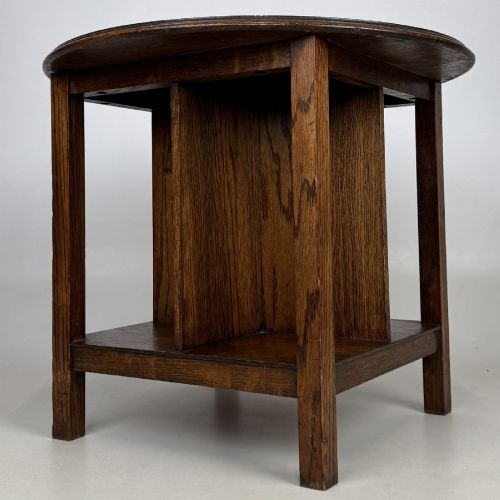
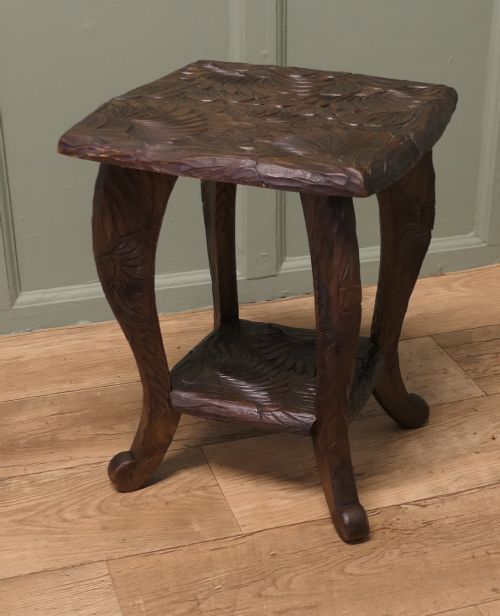
Vintage Occasional Stand
A vintage occasional stand provides a useful surface for a lamp or a plant while bringing period character to a room.
Vintage Occasional Stand
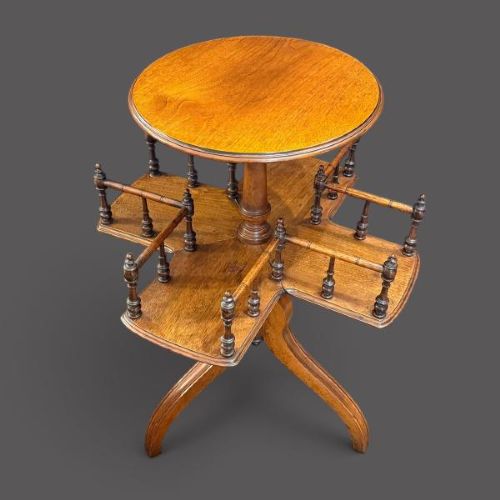
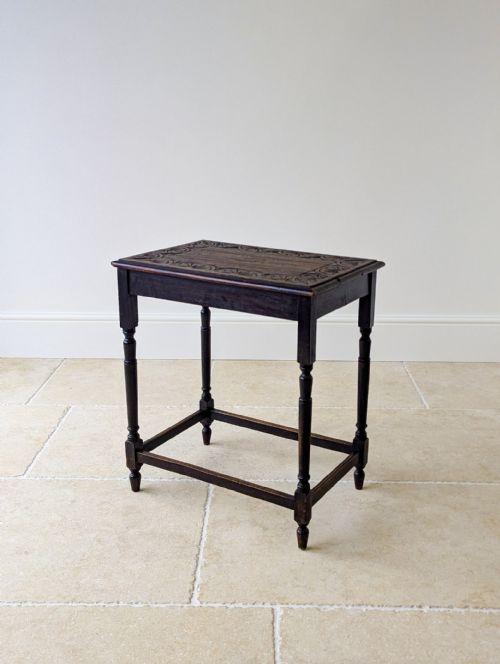
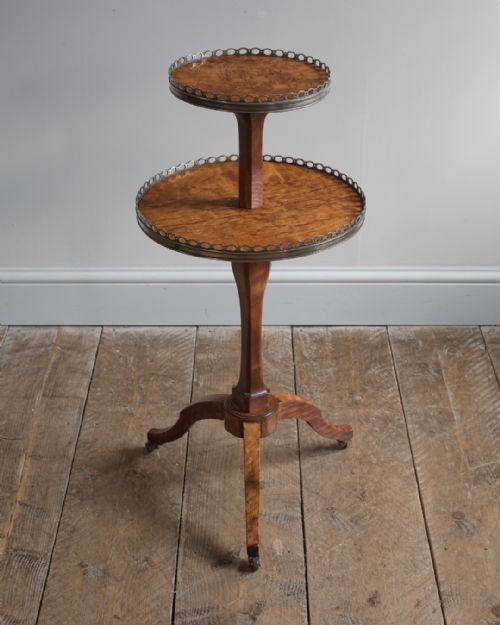
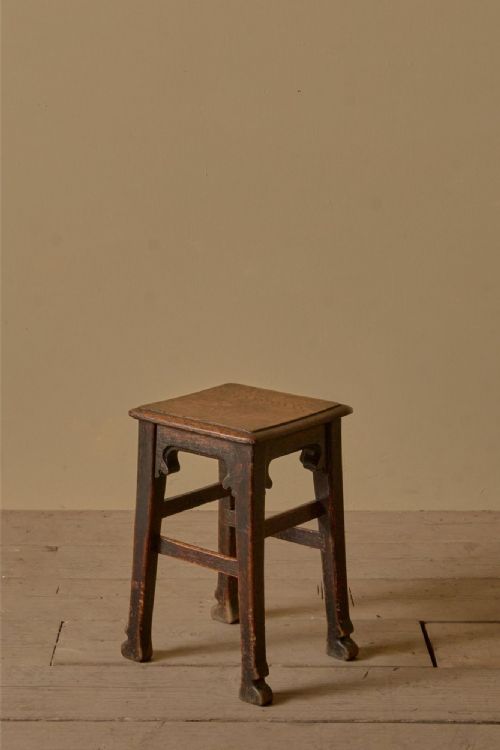
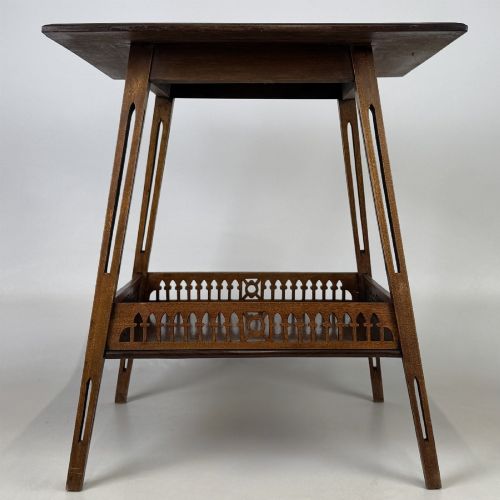
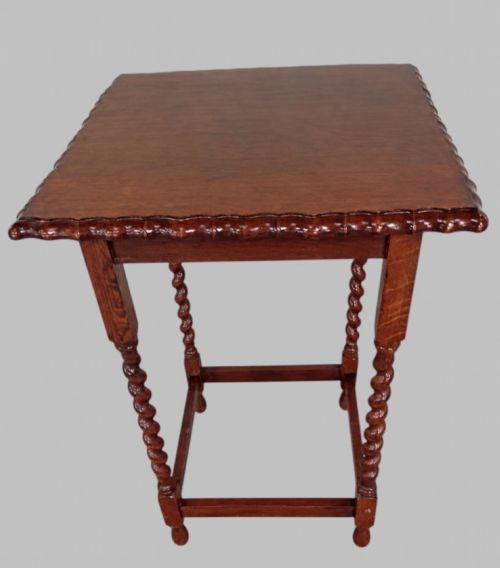
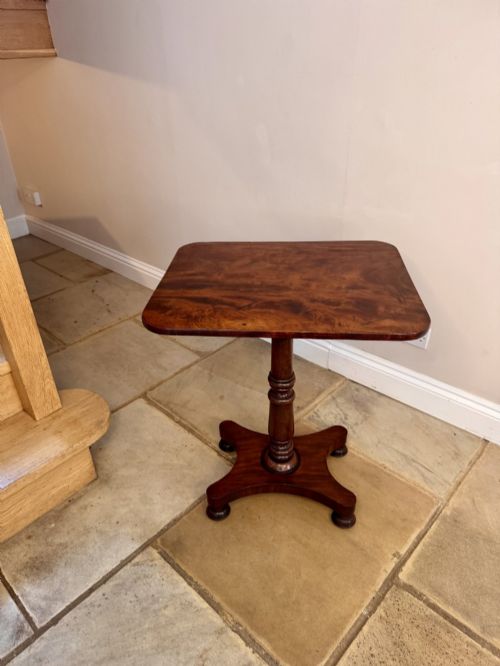
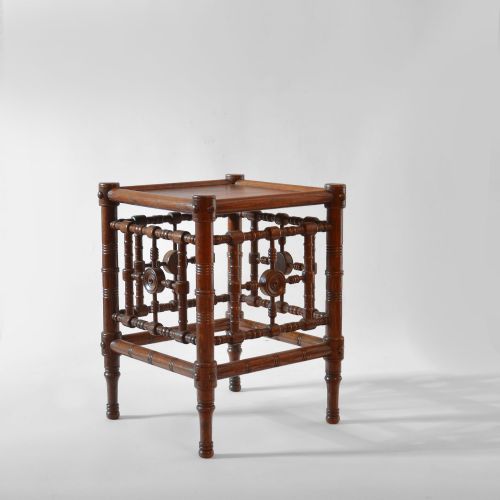
A vintage occasional stand encompasses a diverse group of portable tables and display pieces designed for flexible placement around a room. When searching for a vintage occasional stand, buyers encounter forms ranging from simple wine tables and plant stands to elaborate tray tables and multi-tiered side tables. These pieces originate from various eras, with Edwardian and Victorian examples appearing frequently alongside items from the nineteenth and early twentieth centuries.
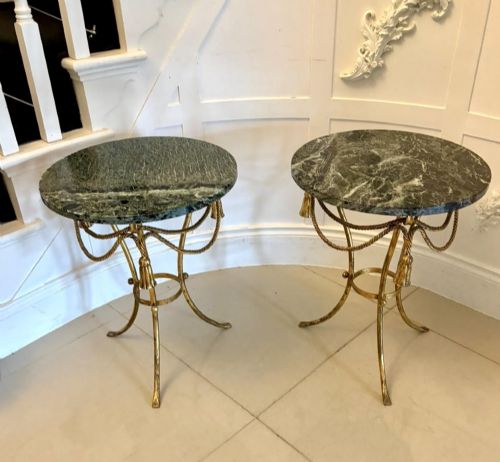
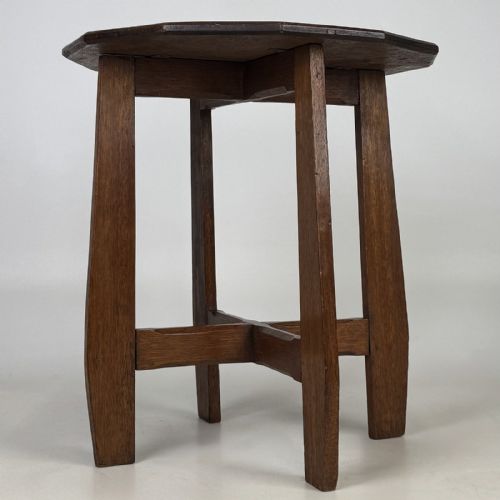
The practical function of these stands matches their decorative appeal, serving variously as lamp tables, jardiniere holders, and magazine racks. Construction styles span plain oak and mahogany designs, Arts and Crafts octagonal tables, and more ornate pieces featuring marquetry, marble tops, and lacquered finishes. This variety allows a stand to fit into diverse interior schemes, whether the room calls for understated wood or striking Chinoiserie decoration.
How they were made
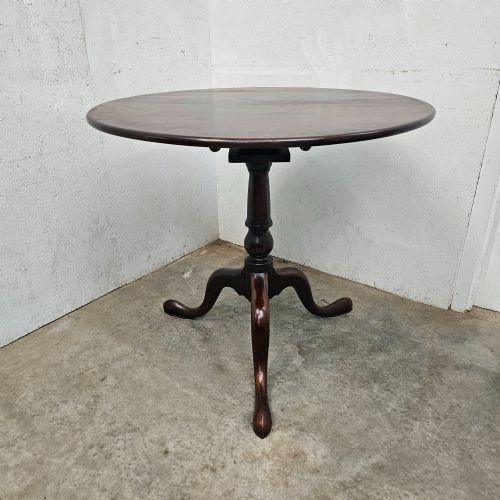
Cabinet makers constructed these stands using solid timbers and veneers such as mahogany, oak, walnut, and rosewood, often pairing them with brass or gilt metal fittings. Tables from the Arts and Crafts movement emphasise straightforward joinery and carved details in oak and elm, whilst Georgian-style pieces utilise the rich grain of mahogany for tilt-top tripod formats.
Many examples incorporate decorative surface techniques including amboyna inlay, satinwood stringing, leather panels, and slate or verde marble inserts. French and Italian workshops introduced specialised elements like gilt metal mounts and lacquered Chinoiserie finishes, demonstrating the varied craftsmanship applied to these secondary tables.
Vintage Occasional Stand Retail Price Guide 2026
Typical asking prices for vintage occasional stand among the pieces listed under this phrase on Sellingantiques today, from the lower quarter to the upper quarter. They describe what is for sale here now, not the wider market.
Elephant side tables from early twentieth-century India brought exotic carved fauna straight into Victorian drawing rooms to hold afternoon tea.
What varies in quality
The distinction between standard and superior pieces rests on the choice of materials and the finesse of the joinery and decorative detailing. High-quality examples display well-figured timber, precise inlay work, and stable structural frames that remain rigid over decades of use.
Refined execution in carved elements, turned legs, and metal mounts separates exceptional specimens from mass-produced items. The integrity of the surface finish, whether polished wood or fitted marble, also indicates the level of care taken during the original construction.
Liberty & Co
The Vintage Occasional Stand Glossary
- Tilt-top table
- A table with a mechanism that allows the top to hinge into a vertical position when not in use. This design saved space in period interiors.
- Tripod table
- A small table supported by three legs radiating from a central pillar. Such tables appeared frequently in mahogany during the eighteenth and nineteenth centuries.
- Jardiniere table
- A specialist stand featuring a built-in container or well for holding plants. These pieces often incorporate metal liners to protect the surrounding wood.
- Canterbury
- A low multi-compartment stand originally designed for sheet music or books. In later periods, these served a dual purpose as occasional tables with magazine racks.
Vintage Occasional Stand: Frequently Asked Questions
What is an occasional stand?
An occasional stand is a portable table designed to be moved easily and used for specific tasks around the home. These versatile pieces held lamps, drinks, books, or plants in period drawing rooms and parlours.
Today, they serve much the same purpose while adding historic charm to modern living spaces. Their compact proportions make them suitable for awkward corners or beside armchairs.
How were these tables used?
Period households utilised these stands wherever an extra surface was required temporarily. Specific forms catered to particular activities, such as wine tables for drinks or plant stands for greenery.
Larger versions accommodated reading material or display items like ceramics and bronzes. Their mobility meant they could be rearranged easily depending on the daily activities of the household.
How do I style a vintage stand?
A vintage stand works effectively as a bedside table, a hallway surface for keys, or a living room lamp table. Pairing an antique timber stand with contemporary seating creates a balanced interior scheme.
Consider the scale of the piece and the weight of the objects placed upon it. Delicate satinwood tables suit lighter decorative items, whilst sturdy oak or mahogany stands easily support heavier lamps.