


Vintage Occasional Seating
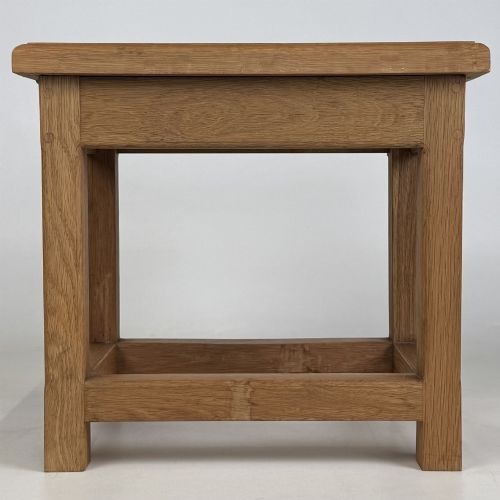
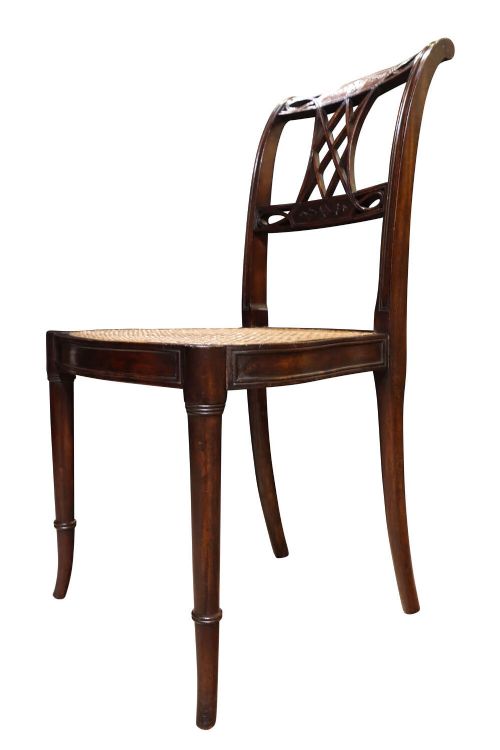
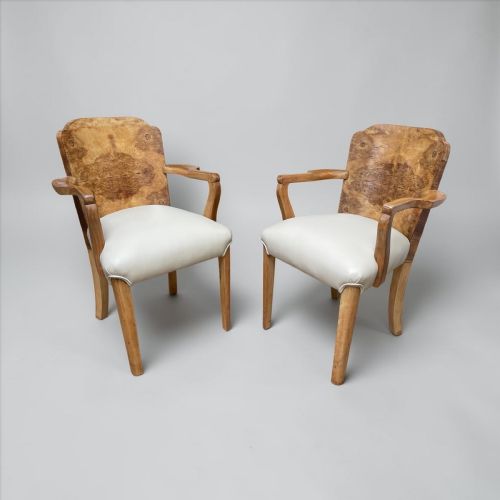
Vintage occasional seating brings character and extra seats into a room, spanning styles from Edwardian bedroom chairs to Art Deco lounge pieces.
Vintage Occasional Seating
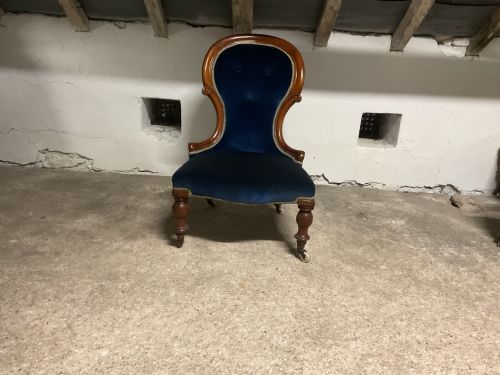
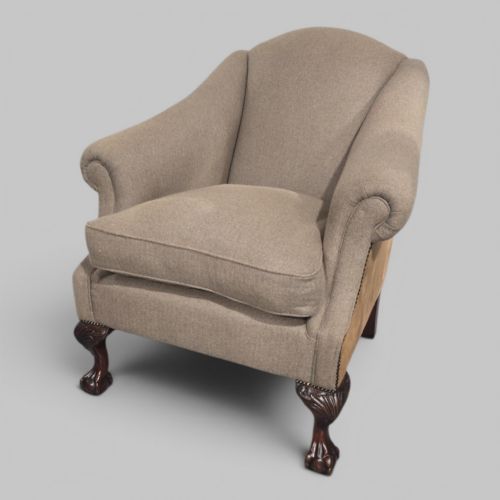
Vintage occasional seating covers secondary chairs and stools used around the home rather than primary dining or desk seats. The selection ranges widely across forms such as nursing chairs, side chairs, armchairs, and small stools.
Most pieces encountered on this page belong to the Edwardian period or the Art Deco era, alongside Victorian and nineteenth-century examples. Materials span mahogany, walnut, oak, beech, cane, fabric, and leather.
Makers and designers like Maurice Adams, Hille, and Harry and Lou Epstein appear among the Art Deco offerings, while earlier items reflect Victorian and Edwardian tastes.
Construction and materials
Frames are built predominantly from timbers such as mahogany, walnut, oak, satinwood, and beech, frequently shaped into specific revival styles or modern lines. Joinery relies on traditional techniques suited to the period, from solid wood frames to bentwood and turned components.
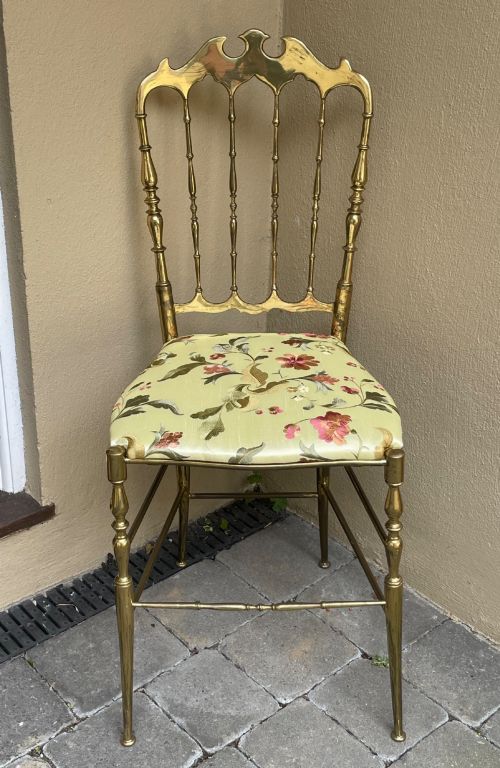
Seating surfaces utilise cane, woven materials, or padded upholstery finished in fabric, velvet, or leather. Metal elements such as brass or wrought iron appear on specific salon and continental designs.
Listings feature Edwardian, Victorian, and Art Deco periods, utilising mahogany, walnut, cane, and leather.
Distinctions in quality
Quality rests on the integrity of the timber frame, the crispness of any carved or inlaid detail, and the retention of original structural form. Pieces bearing attribution to known makers or workshops display superior execution in proportion and joinery.
The refinement of the materials, whether fine mahogany inlay, high-grade cane work, or substantial brass and wrought iron, separates standard domestic examples from the finest surviving specimens.
Maurice Adams·Hille·Harry and Lou Epstein·Wheeler Of Arncroach·Liberty and Co
The Vintage Occasional Seating Glossary
- Nursing chair
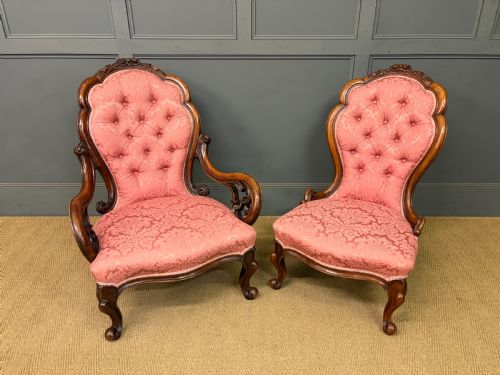
- A low-seated Victorian chair originally designed for nursery use or comfortable sitting near a hearth. These often feature distinctive low frames and upholstered backs.
- Occasional chair
- A movable secondary seat intended to be brought out when extra guests require a place to sit. They appear in numerous revival and modernist styles.
- S Sutherland table
- A narrow drop-leaf dining table that folds down compactly when not in use. It relies on pivoting gateleg supports to hold the leaves.
- Cane
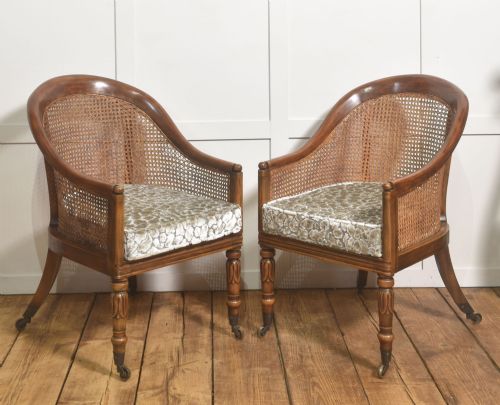
- Woven rattan material used to form light, flexible seats and backs. It requires careful hand-weaving around the frame aperture.
- Inlay
- A decorative technique where contrasting woods or stringing materials are set flush into the primary timber surface. This creates geometric or floral patterns.
Vintage Occasional Seating: Frequently Asked Questions
What is an occasional chair?
An occasional chair is a movable seat used to supplement primary seating in a reception room or bedroom. These pieces are chosen to complement existing room decor while offering a flexible seating option.
They generally receive less heavy daily use than a main sofa or dining chair, which helps them survive in good condition.
How do I identify an Edwardian chair?
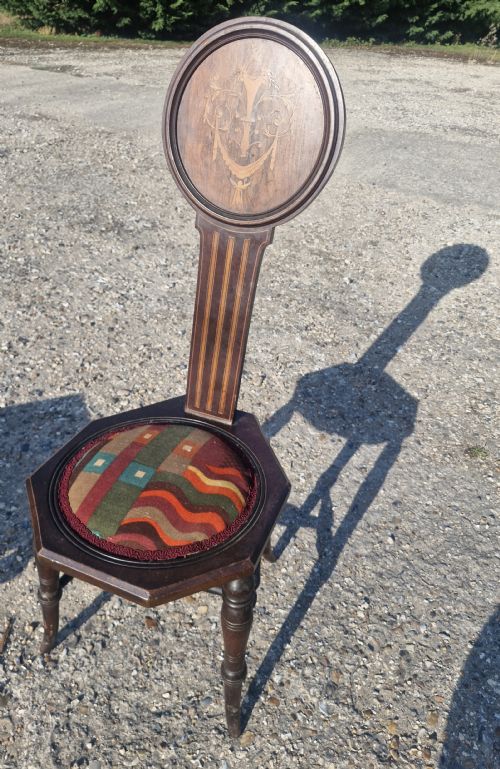
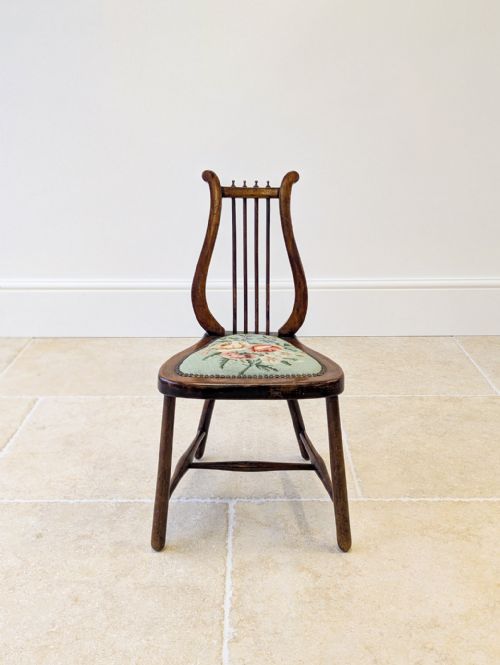
Edwardian chairs often feature light mahogany frames, string inlay, and Sheraton Revival influences. Beech is also common, sometimes shaped into spindle-backs or bedroom rockers.
Construction from this era tends to be lighter in scale than heavy Victorian equivalents, reflecting changing domestic interiors around nineteen-hundred.
Where should I place a nursing chair?
A nursing chair suits a bedroom, dressing room, or quiet corner of a sitting room due to its low seat height. Originally intended for comfort, it works well as a reading seat.
Its compact proportions allow it to fit into spaces where a standard armchair would overwhelm the room layout.
Are Art Deco chairs comfortable?
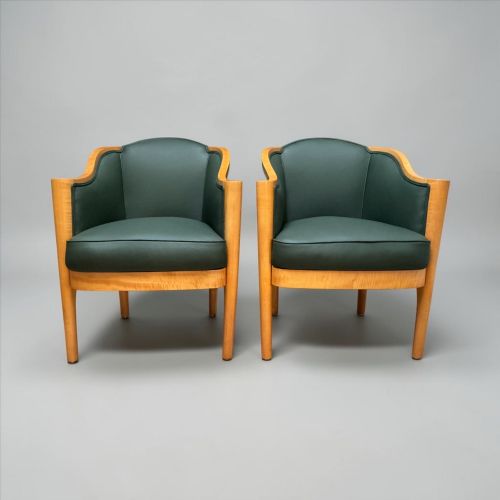
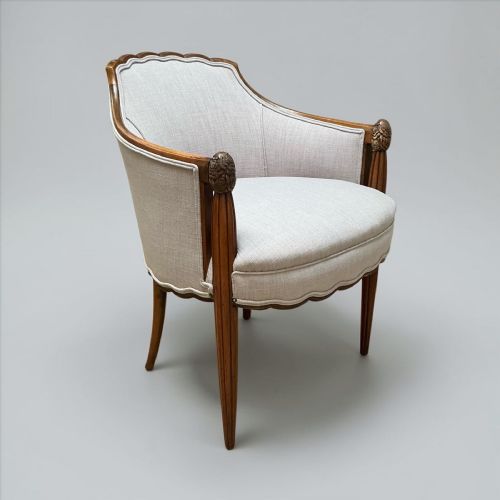
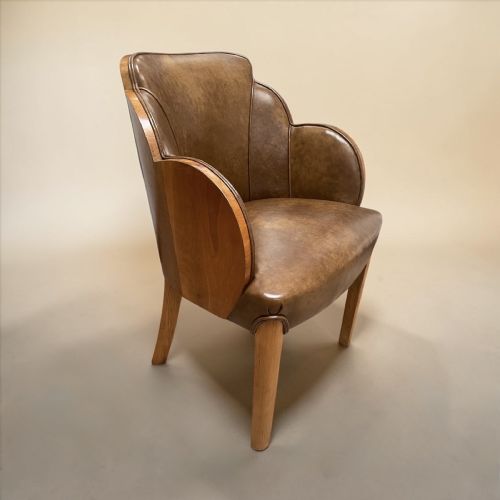
Art Deco occasional chairs and lounge seats focus on streamlined curved forms and upholstered comfort. Pieces like the cloud chair offer generous proportions supported by solid internal framing.
Living with them involves appreciating both the sculptural silhouette and the upholstered seating plane.