

Vintage Oak Unit
A vintage oak unit brings sturdy utility and rich grain to a room, spanning open bookcases, filing cabinets, and sideboards from the Victorian period to the 1930s.
Vintage Oak Unit
When someone searches for a vintage oak unit, they encounter a wide range of functional furniture forms designed for storage and display. The selection spans the 19th Century, Victorian and Edwardian eras, extending into the 1920s and 1930s.
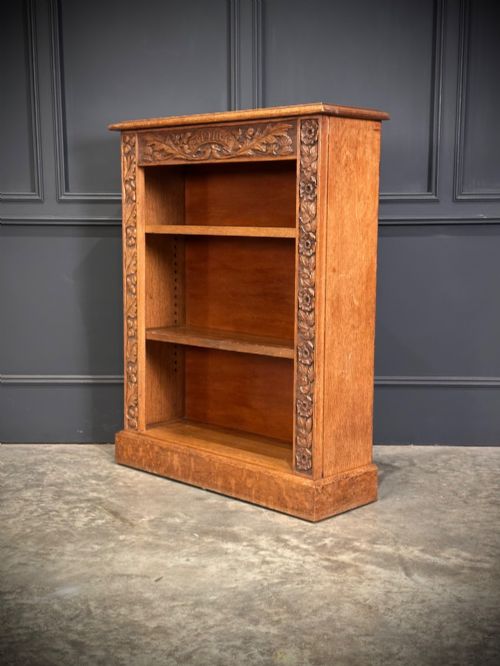
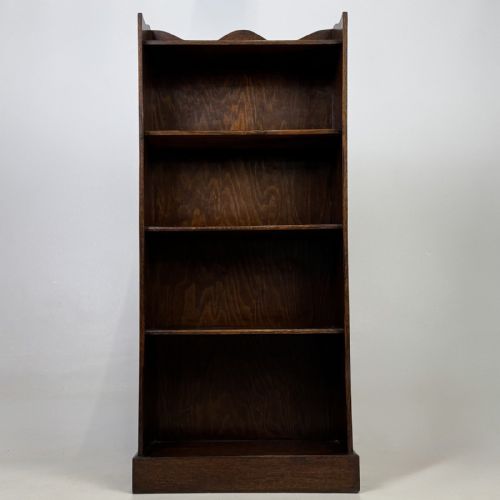
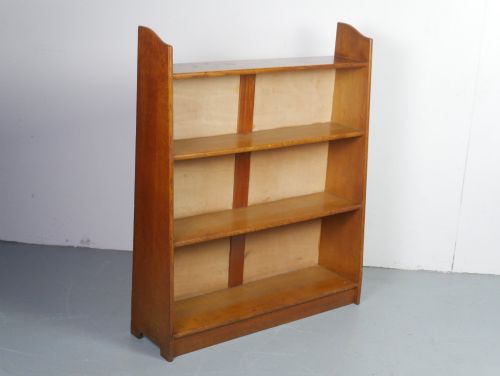
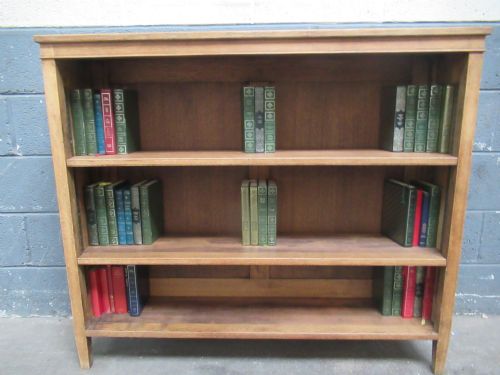
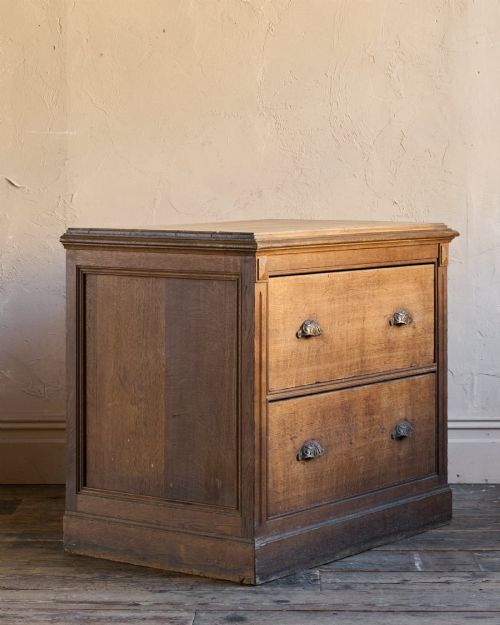
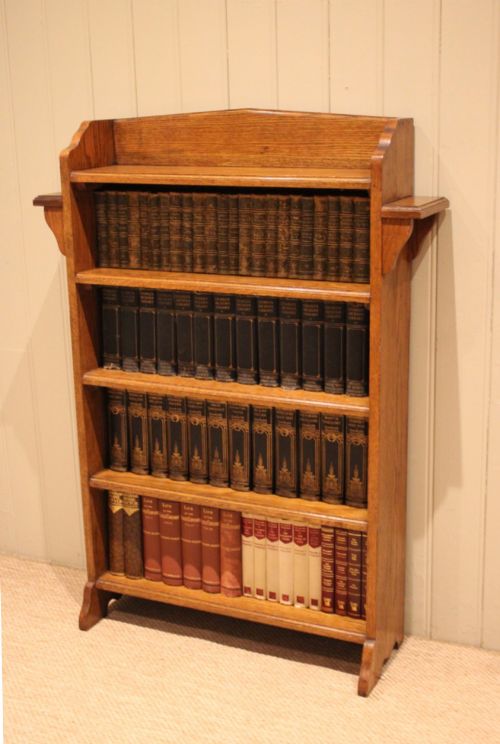
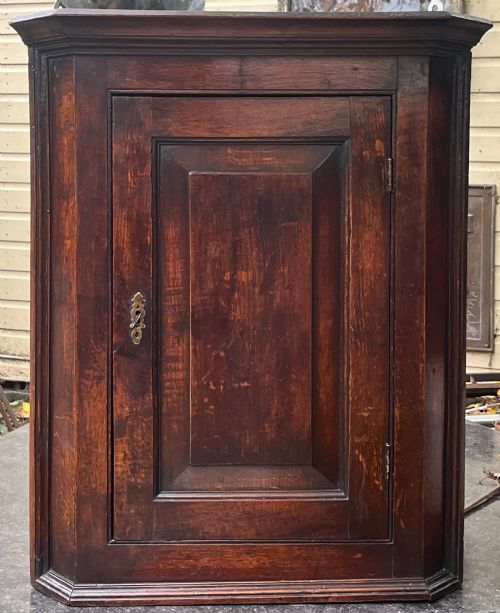
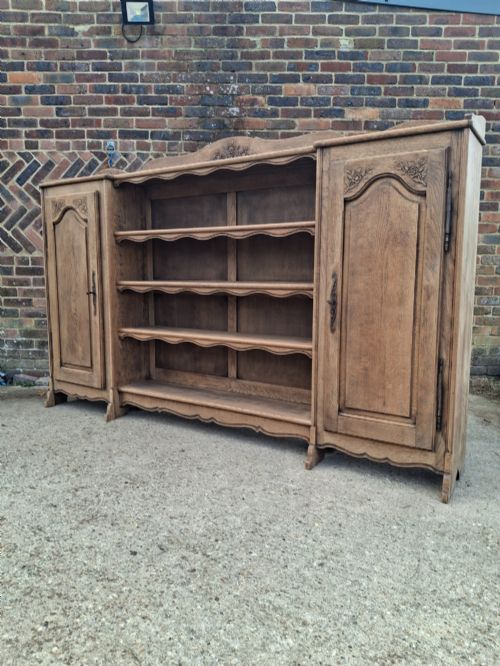
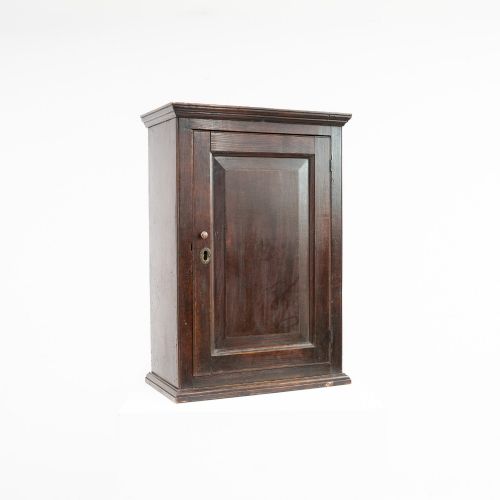
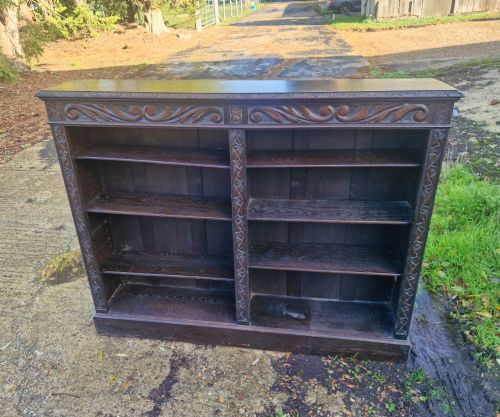
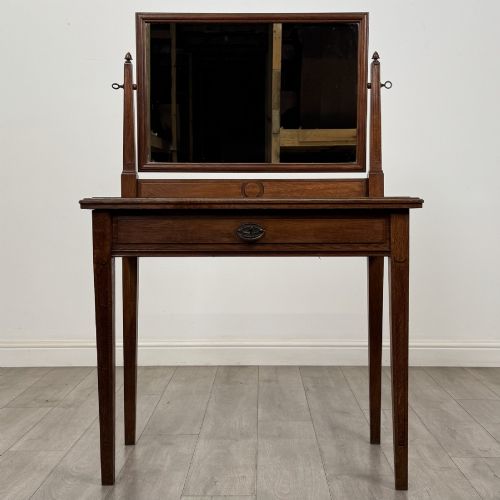
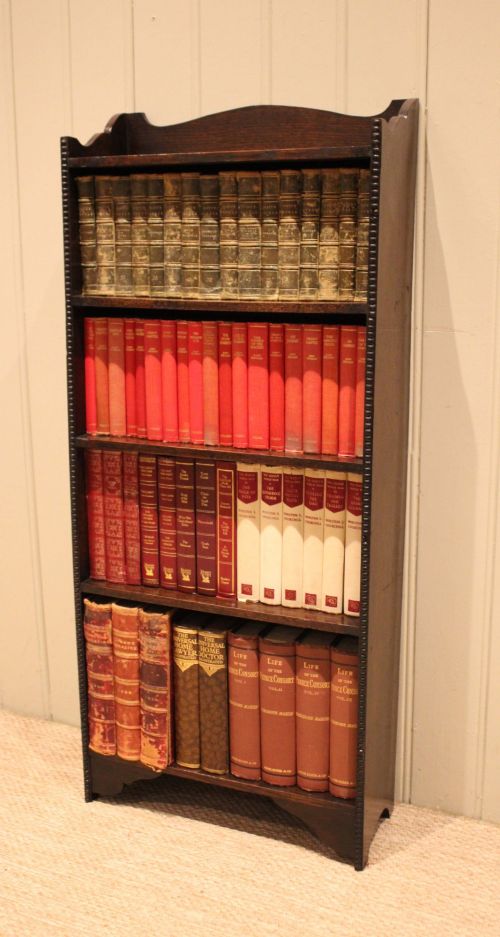
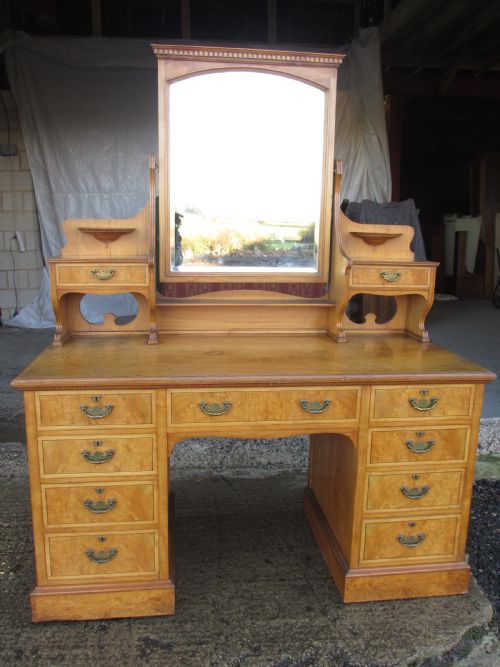
Open bookcases dominate the selection, often featuring raised galleries, adjustable shelves, or arched details. Other frequent forms include chests of drawers, dressing tables, corner cabinets, display cabinets, filing cabinets, and wall shelves.
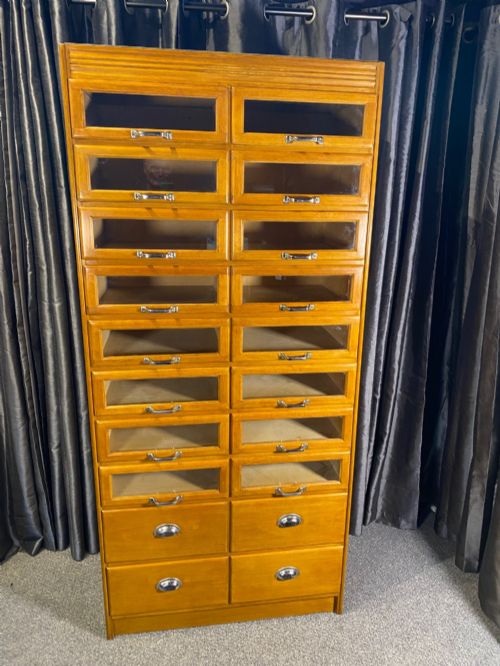
Makers drew on diverse styles such as Arts and Crafts, Art Deco, Jacobean Revival, and Georgian style. Pieces range from small side cabinets and magazine shelves to large double-width bookcases and eleven-drawer fitted storage cabinets.
Materials and construction methods
Craftsmen built these units predominantly from solid oak and golden oak, sometimes combining oak with pine for interior structural elements. Wood veneer and miscellaneous wood also appear across the selection.
Metal and glass components provide function and visual contrast. Brass fittings, iron cross backs, leaded elements, and glass doors or swing mirrors appear on specific pieces like filing cabinets and display units.
Vintage Oak Unit Retail Price Guide 2026
Typical asking prices for vintage oak unit among the pieces listed under this phrase on Sellingantiques today, from the lower quarter to the upper quarter. They describe what is for sale here now, not the wider market.
Some oak record cabinets keep vintage vinyl spinning securely in sturdy nineteenth-style boxes.
Distinctions in construction and design
Quality separates pieces through the integrity of their timber and the crispness of decorative details like carved elements, dentil cornices, and shaped sides. Solid oak construction with adjustable shelving or original hardware represents higher execution than simpler veneered alternatives.
The sophistication of stylistic touches determines distinction, such as hand-wrought iron cross backs on Arts and Crafts bookcases or well-fitted drawers with original brass handles on multi-drawer chests and filing units.
Heals·Liberty
The Vintage Oak Unit Glossary
- Gallery
- A raised ornamental border along the top edge of a bookcase, chest, or cabinet.
- Dentil cornice
- A moulding decorated with a series of small, rectangular blocks resembling teeth along the upper edge of a piece.
- Arts and Crafts
- A design movement prioritising traditional craftsmanship, simple forms, and visible structural honesty.
- Jacobean Revival
- A style drawing on 17th-century English motifs, characterised by dark finishes, geometric panels, and turned supports.
- Adjustable shelves
- Shelving supported by movable pins or tracks, allowing the interior height to change.
Vintage Oak Unit: Frequently Asked Questions
What periods do these oak units cover?
The pieces span from the late 19th Century through the Victorian and Edwardian eras into the 1920s and 1930s. Styles range from Gothic and Jacobean Revival to Arts and Crafts and early modern designs.
Most items originate from the early decades of the 20th Century, reflecting the heavy output of oak furniture during that period.
How are open bookcases typically configured?
Standard open bookcases provide adjustable or fixed shelving for home libraries and living spaces. Many examples incorporate decorative elements like raised galleries, arched tops, or shaped sides.
Some variants include lower cupboards, glass doors, or iron cross bracing for added stability.
What storage options exist beyond bookcases?
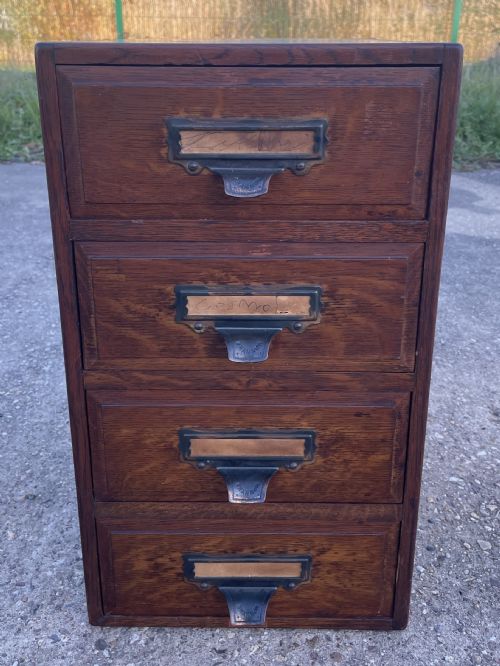
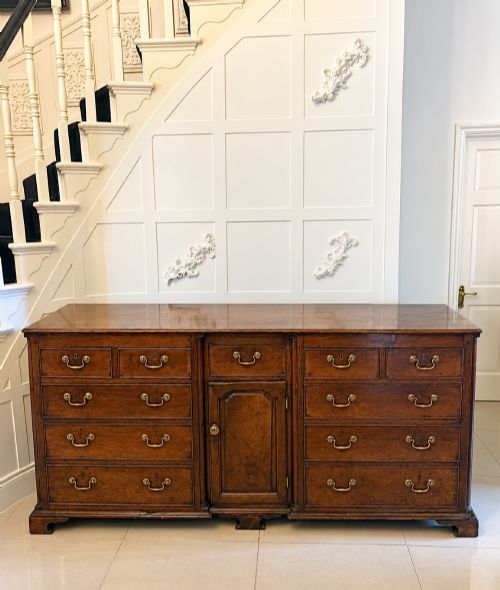
Storage forms include chests of drawers with two-over-three configurations, multi-drawer vertical filing cabinets, and fitted storage cabinets with numerous small drawers. Sideboards, record cabinets for vinyl storage, and wall-hanging shelves offer alternative capacities.
Corner cabinets and display units provide specialised storage for china and decorative objects.
How do I identify Arts and Crafts oak pieces?
Arts and Crafts pieces emphasise straightforward construction, visible grain, and honest materials. They frequently feature hand-wrought metal details like iron cross backs or brass hardware.
Makers from this movement produced wall cabinets, dressing chests, and bookcases with understated decorative restraint.