

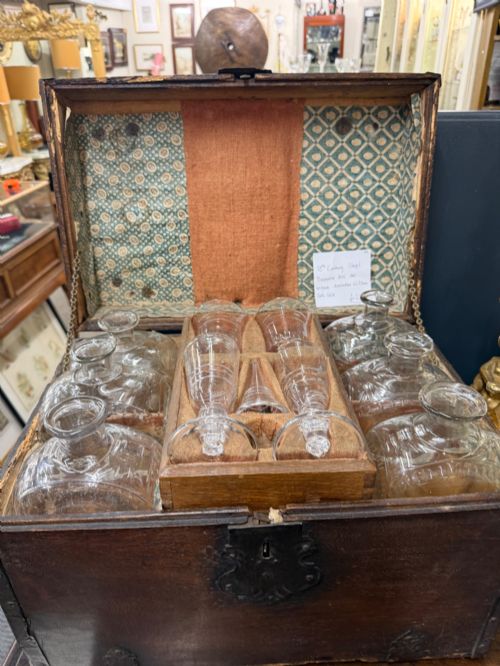
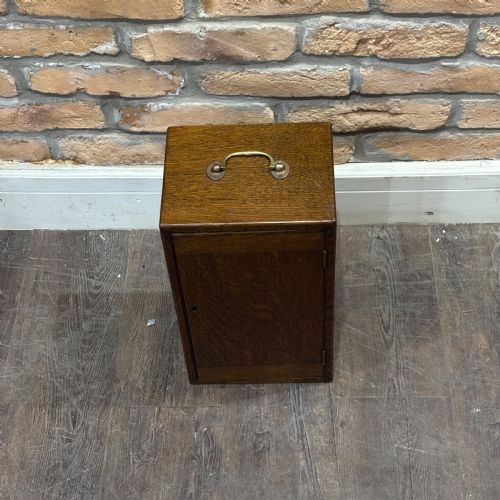
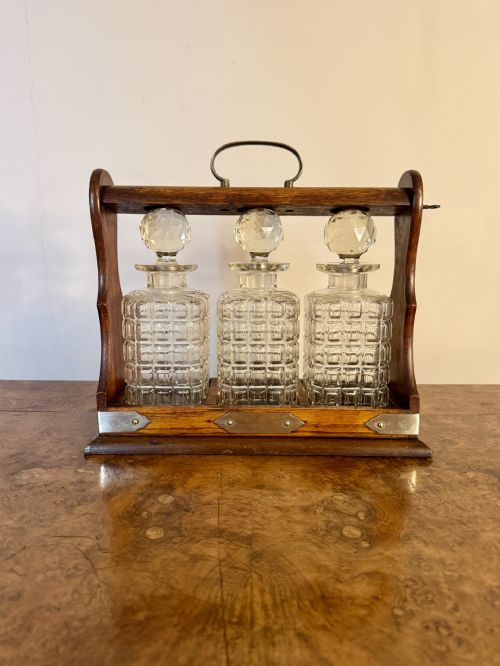
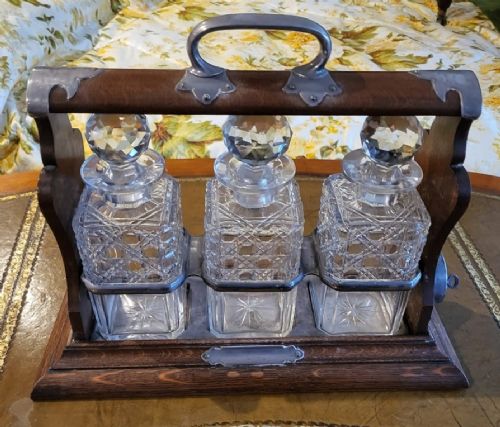


Vintage Oak Tantalus
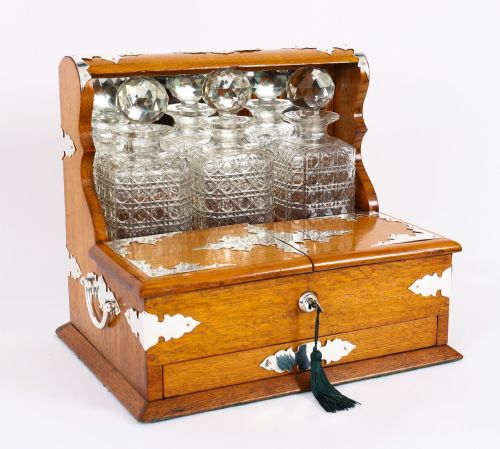
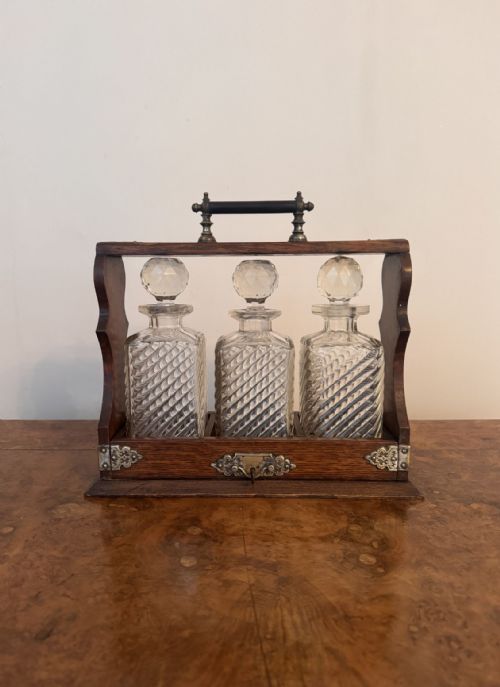
These vintage oak tantalus pieces are robust drinking cabinets designed to lock away spirits while keeping them on display, offering a practical touch of period hospitality.
Vintage Oak Tantalus
When you search for a vintage oak tantalus, you are looking at secure drinks cabinets that span the Victorian, Edwardian, and Art Deco periods. These items typically house two or three glass decanters fitted with a locking mechanism designed to deter unauthorized sipping.
The most common versions met on this page are Edwardian and Victorian examples, often incorporating brass mounts or combined games compendiums. You will also encounter dry bar variants and spirit cask sets constructed from blonde, golden, or dark oak.
Originating as status symbols for Victorian and Edwardian drawing rooms, these pieces combine barware with cabinetmaking. They serve today as functional display items that anchor a room with period character.
How they were made
Makers built these pieces primarily from solid oak, sometimes utilising marquetry stringing for surface decoration. The timber is frequently paired with brass mounts and fittings that reinforce the corners and house the locking bars.
Interior storage often relies on cut glass or cut crystal decanters, accompanied by mirror glass panels that reflect the glassware. Metal components and silver plate provide the mechanical lift arms and lock plates necessary for the security action.
Vintage Oak Tantalus Retail Price Guide 2026
Typical asking prices for vintage oak tantalus among the pieces listed under this phrase on Sellingantiques today, from the lower quarter to the upper quarter. They describe what is for sale here now, not the wider market.
Invented deliberately to tease thirsty guests by showing the whisky while keeping the key firmly in the host's pocket.
What varies in quality
The distinction between standard examples and finer pieces rests on the complexity of the internal architecture and secondary functions. Simpler two-bottle frames contrast with elaborate dry bars that integrate games compendiums and multiple compartments.
Decorative ambition also sets pieces apart, moving from plain timber construction to versions featuring intricate marquetry stringing and heavy brass mounts. The presence of matched cut glass or cut crystal decanters elevates the overall integrity of the set.
Walker & Hall
The Vintage Oak Tantalus Glossary
- Tantalus
- A locking drink cabinet that holds decanters securely within a wooden frame while keeping their contents visible. The mechanism prevents removal of the bottles until the locking bar is released with a key.
- Games compendium
- A multi-use box containing equipment for various parlour games, frequently integrated beneath or beside the decanter storage in larger cabinet formats.
- Marquetry
- The art of applying pieces of veneer to a structure to form decorative patterns, seen on select cabinet surfaces.
- Silver plate
- A thin layer of silver applied to a base metal, commonly utilised on the handles, mounts, and locking hardware of these pieces.
Vintage Oak Tantalus: Frequently Asked Questions
How does a tantalus lock work?
The locking mechanism typically involves a vertical metal bar that passes over the stoppers of the decanters, preventing them from being lifted out. Turning a key in the lock releases this bar, allowing the bottles to be removed.
This clever design meant hosts could leave decanters out in public rooms while restricting access to the contents when required.
What is a games compendium combination?
Many larger examples integrate a cabinet for cards, dice, and board games alongside the spirit decanters. This dual purpose made them central pieces of entertainment equipment in period drawing rooms.
These combination boxes reflect the sociable nature of Victorian and Edwardian evenings, housing all host requirements in a single wooden housing.
How do I date an oak tantalus?
Dating relies on stylistic clues, hardware design, and construction methods. Victorian pieces tend to feature heavy brass mounts and darker timber, whereas Edwardian examples often display lighter golden oak.
Checking for specific manufacturer marks or patent stamps can also help narrow down the decade of production.