
Vintage Oak Side Desk
A vintage oak side desk brings sturdy utility and rich grain to a workspace, spanning robust Victorian forms to clean Art Deco lines.
Vintage Oak Side Desk
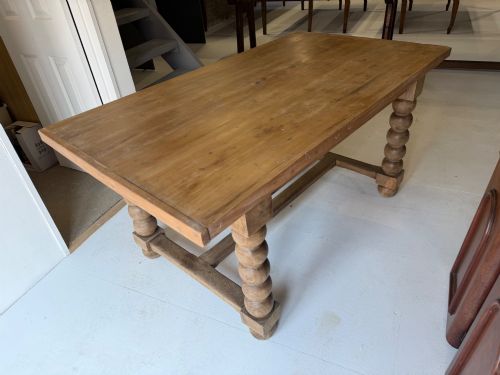
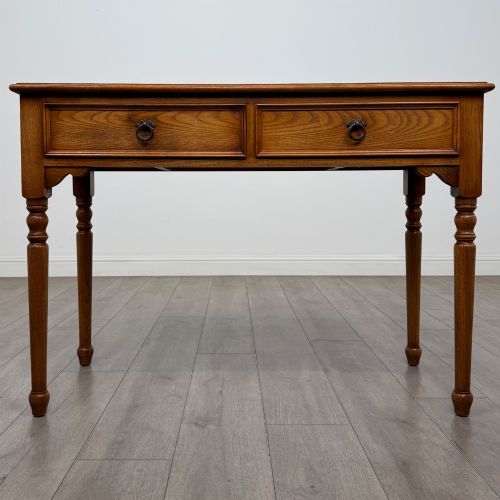
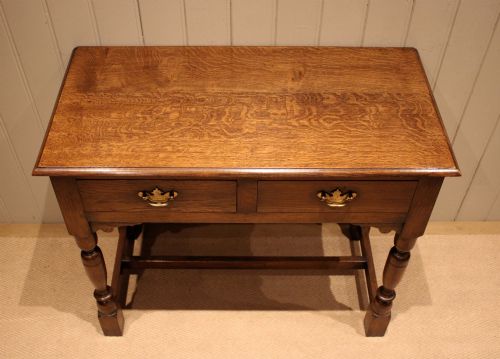
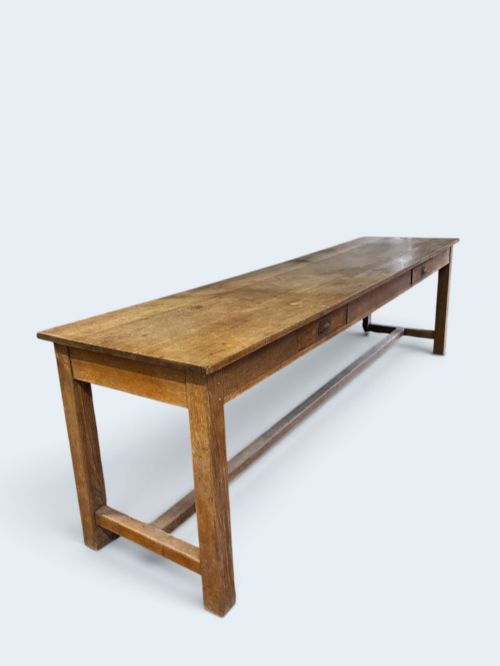
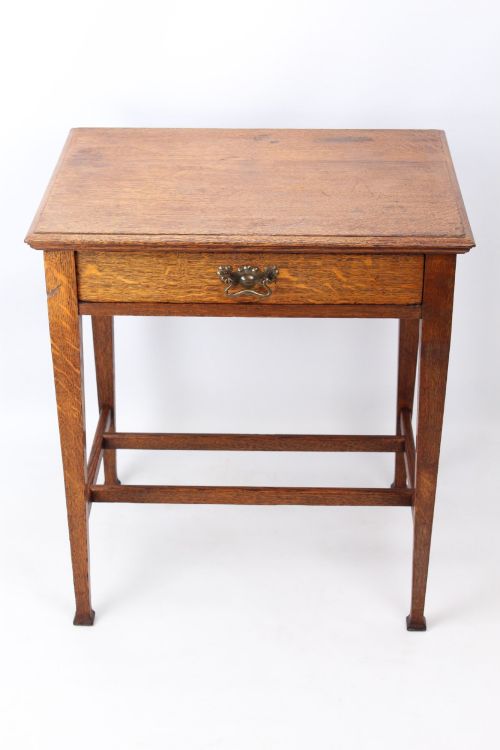
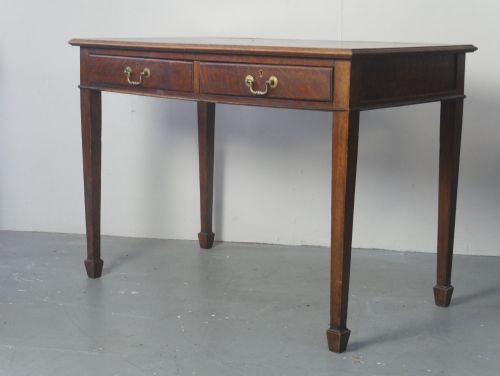
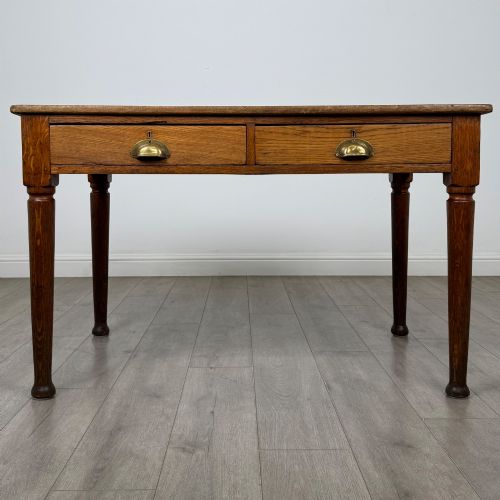
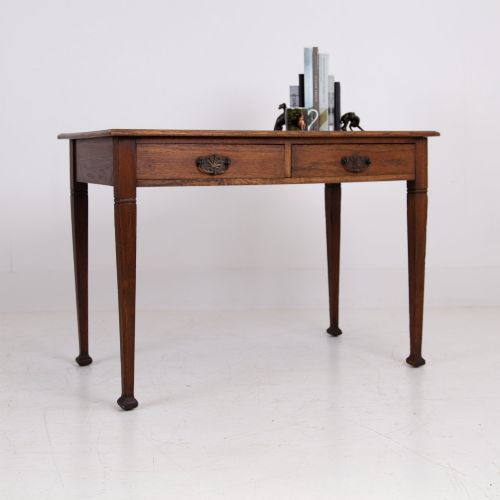
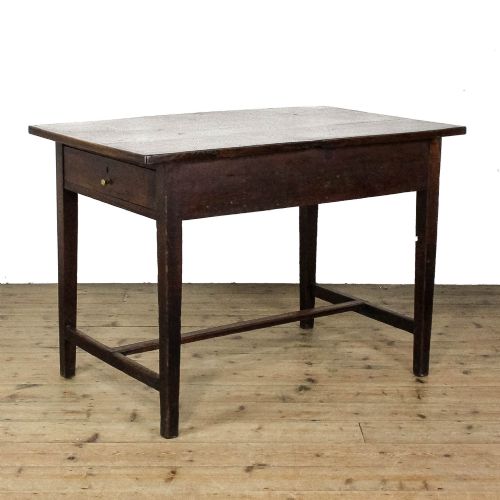
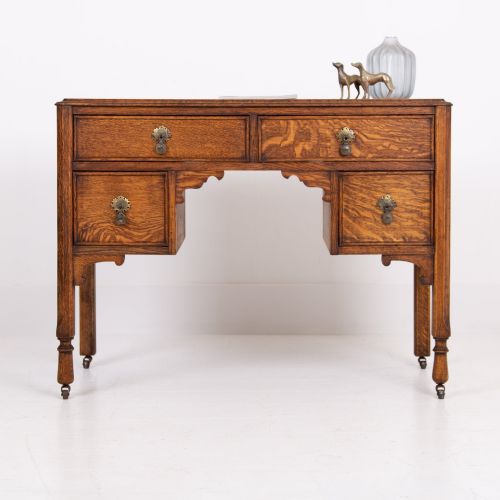
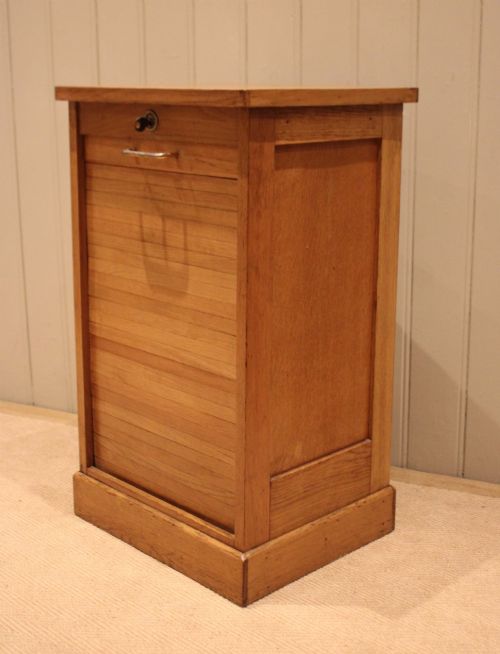
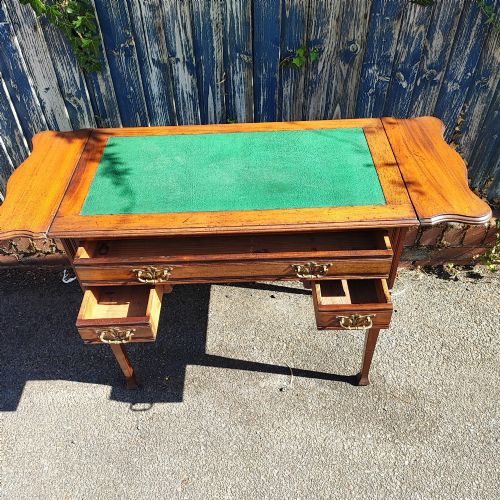
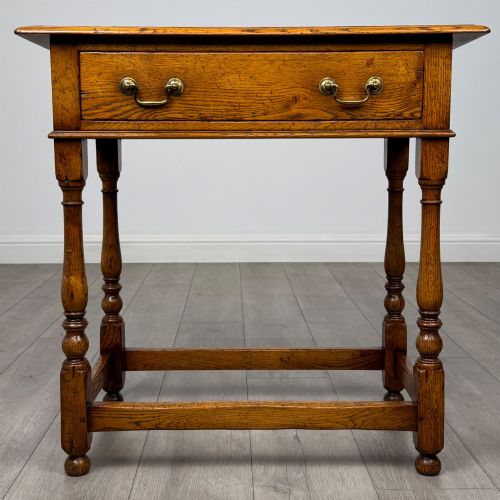
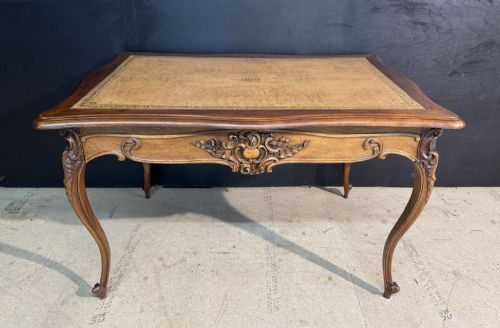
A vintage oak side desk combines practical workspace utility with the durable grain of hardwood, frequently appearing in Edwardian and early twentieth-century formats. Buyers seeking a vintage oak side desk will encounter pieces ranging from compact two-drawer writing tables to narrow console variations.
The selection encompasses diverse regional characteristics, including English, Welsh, and continental examples produced across the nineteenth and twentieth centuries. These tables often double as writing surfaces or hall consoles, reflecting the adaptable domestic requirements of their original periods.
Construction and materials
Makers built these pieces primarily from solid oak timber, frequently complemented by brass hardware, leather writing inserts, and occasional cast iron elements for structural reinforcement. The natural figure of the wood takes centre stage, whether finished in a warm golden tone or left in a rustic state.
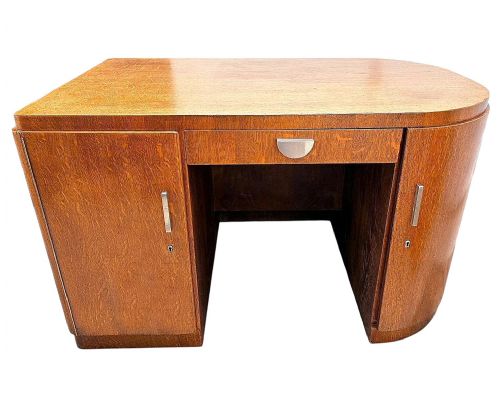
Joinery methods reflect the period of origin, spanning traditional pegged joints on nineteenth-century examples to more streamlined construction on later modernist and Art Deco pieces. Secondary woods like beech sometimes appear in structural supports or legs.
Listings feature periods spanning from the seventeenth century through the Victorian era, Edwardian period, and into nineteen thirty Art Deco design.
Assessing quality and character
Quality rests in the selection of the timber and the integrity of the construction, where substantial solid oak tops and well-fitted drawers distinguish finer examples from utility pieces. The harmony of proportions, particularly in smaller writing tables and narrow side desks, dictates visual appeal.
Refined details such as balanced drawer placement, patinated brass handles, and thoughtful stylistic touches from movements like Arts and Crafts or Art Deco elevate specific pieces above standard workshop production.
Hubert Simpson of Kendal·Jenners·Rowland Ward of London
The Vintage Oak Side Desk Glossary
- Oak
- A dense, durable hardwood prized for its pronounced grain pattern and strength, forming the primary structural material for these desks.
- Edwardian
- A stylistic period spanning the early twentieth century up to the First World War, known for lighter, refined furniture proportions.
- Art Deco
- A design movement prominent around nineteen thirty that favoured geometric forms, modernist lines, and sleek symmetry.
- Arts and Crafts
- A design philosophy emphasising honest construction, visible joinery, and traditional craftsmanship over mass production.
- Console table
- A narrow table designed to stand against a wall, frequently utilised in hallways or as a compact writing surface.
Vintage Oak Side Desk: Frequently Asked Questions
How do I date an oak desk?
Examine the hardware, joinery techniques, and overall stylistic markers such as Edwardian proportions or Art Deco geometry to place the piece within its historical decade. Secondary woods and tool marks underneath provide further clues to the manufacturing era.
Comparing the timber finish and construction methods against documented examples from the same period helps narrow down the production year with greater certainty.
Can I use a side desk for daily work?
Most vintage side desks provide adequate surface area for modern laptops and writing tasks, provided you check the height and legroom clearance before purchase. Their compact footprints make them well-suited to home offices and living rooms alike.
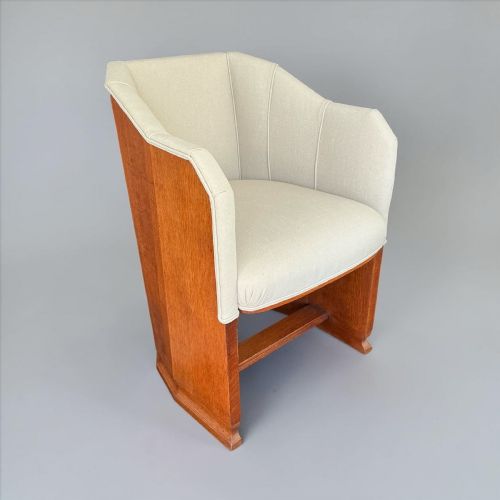
Consider pairing the desk with a comfortable period armchair or side chair to complete a functional and historic workspace.
What is the difference between a side table and a writing desk?
Writing desks typically incorporate drawers for stationery and offer a designated surface height for comfortable seated work. Side tables are generally shallower and focus more on display or hallway utility rather than prolonged writing.
Many pieces bridges this distinction by offering slim drawer configurations within a compact side table frame.
How do I care for golden oak furniture?
Maintain the timber by dusting regularly with a soft cloth and applying a quality beeswax periodically to nourish the grain. Avoid placing the desk in direct sunlight or near heat sources to prevent the wood from drying out.
Gentle cleaning preserves the natural patina developed over decades of domestic use.