




Vintage Oak Pew
These vintage oak pew examples bring ecclesiastical and domestic history directly into your hall or dining space, offering enduring timber construction.
Vintage Oak Pew
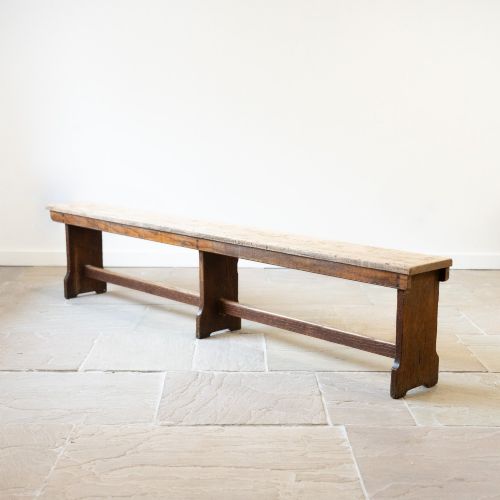
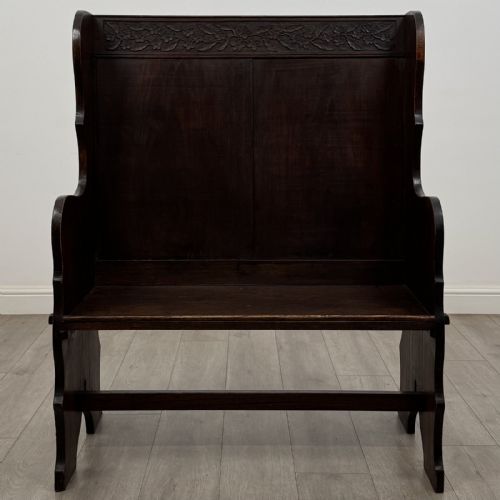
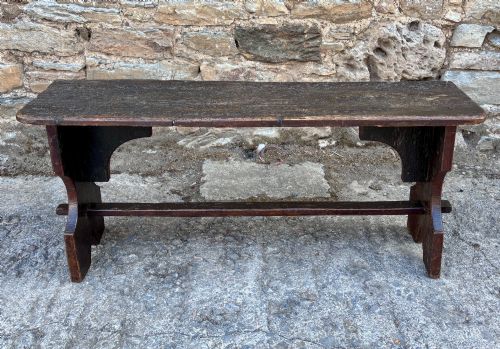
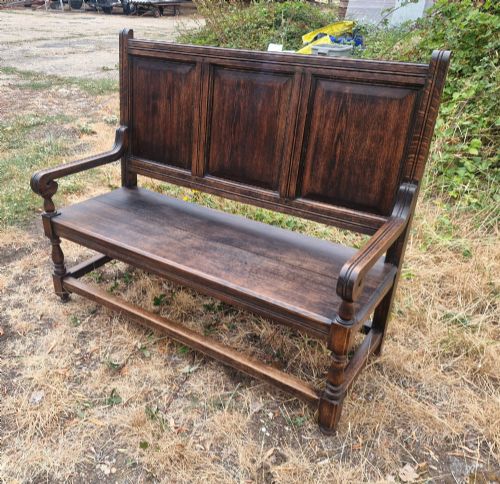
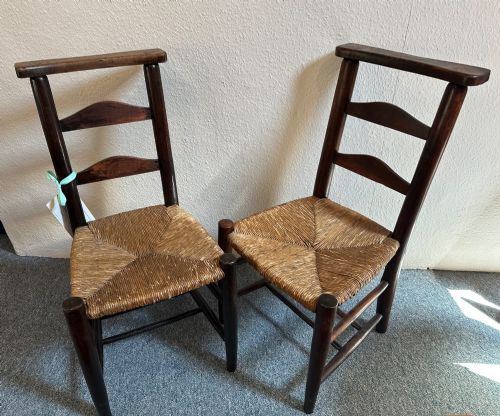
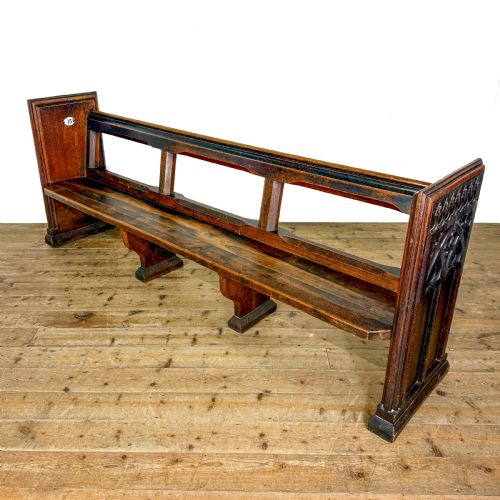
When you search for a vintage oak pew, you encounter seating forms derived from ecclesiastical and vernacular settings, spanning from the seventeenth century through to the Edwardian period and the early twentieth century. The selection ranges from small carved settles and panelled hall seats to church chairs and long tavern refectory table benches.
You are most likely to meet Edwardian and nineteenth-century examples on this page, often featuring Gothic Revival, Arts and Crafts, or rustic country styles. These pieces utilise sturdy timbers such as oak, chestnut, and softwood, sometimes incorporating rush or brass details alongside traditional bench and settle forms.
How they were made
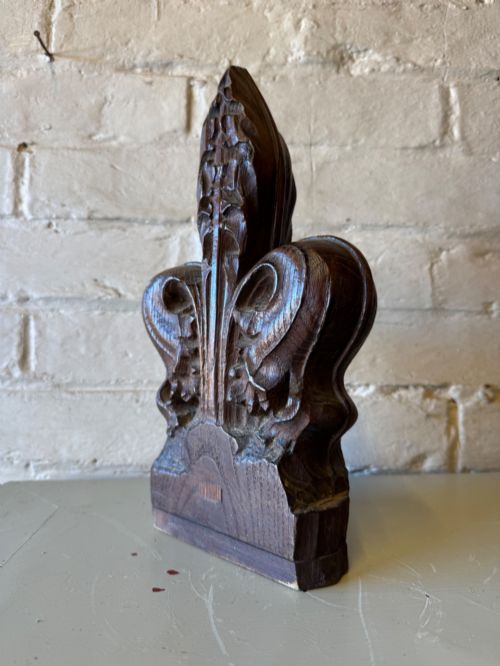
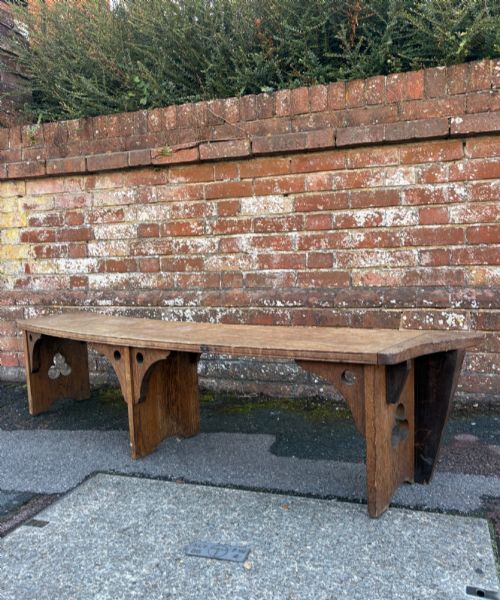
Makers constructed these forms predominantly using solid oak and timber, frequently employing panelled techniques and sturdy joinery to withstand heavy usage in churches, halls, and taverns. Carved details such as floral motifs, poppy head finials, and trefoil supports demonstrate traditional woodworking skills applied to ecclesiastical and domestic furniture.
Secondary materials like brass fixtures, rush seating, and pine or softwood occasionally appear in the construction of these benches and chairs. Bleached chestnut and other structural woods are also utilised across the varied styles, from Gothic Revival to rustic European.
Vintage Oak Pew Retail Price Guide 2026
Typical asking prices for vintage oak pew among the pieces listed under this phrase on Sellingantiques today, from the lower quarter to the upper quarter. They describe what is for sale here now, not the wider market.
At least one set of these chairs bore the official stamp of St Paul's Cathedral, having traded lofty London stonework for domestic duty.
What varies in quality
The distinction between ordinary and exceptional examples lies in the crispness of the carving, such as floral motifs or poppy head finials, and the integrity of the timber framing. Pieces retaining their original church markings or architectural provenance carry greater historical weight.
Proportion and structural balance also dictate the caliber of a piece, distinguishing robust refectory benches and architectural settles from simpler domestic seating. The choice of materials, whether dense oak or bleached chestnut, influences the overall character and durability.
The Vintage Oak Pew Glossary
- Poppy head finial
- An ornamental carved top, often resembling a poppy seed capsule or leaf motif, typically terminating the ends of church pews and bench arms. It forms a distinct decorative feature in Gothic ecclesiastical woodwork.
- Settle
- A wooden bench with a high back, solid arms, and frequently a box base or enclosed lower section to keep out drafts. This form serves as traditional seating in halls and rustic interiors.
- Trefoil
- A graphic ornament or carved shape composed of three overlapping rings or lobes, resembling a clover leaf. This motif appears frequently in Gothic Revival architectural supports and tracery.
- Refectory bench
- A long, sturdy bench traditionally designed to accompany a large dining table in communal halls, monasteries, or taverns. These pieces prioritise length and stability.
Vintage Oak Pew: Frequently Asked Questions
Where did these church pews originate?
These pieces originate from various ecclesiastical buildings, cathedrals, and domestic settings across Britain and Europe, reflecting centuries of religious and secular craftsmanship.
Many examples retain specific architectural provenance, such as pieces marked from St Paul's Cathedral, linking them directly to historic institutions.
How do I style a church bench at home?
A long bench or settle works exceptionally well in an entrance hall, along a dining table, or as a standalone statement piece against a plain wall.
Pairing the robust timber with simple cushions softens the seating while preserving the architectural lines of the Gothic Revival or Arts and Crafts style.
What wood was typically used for pews?
Oak is the predominant timber found in these pieces, valued for its strength, dense grain, and ability to endure centuries of heavy use.
Other materials such as chestnut, pine, and softwood also appear depending on the regional tradition and the specific period of manufacture.
How can I tell the age of a pew?
Dating relies on observing construction methods, joinery techniques, and stylistic markers such as seventeenth-century carving styles versus Edwardian Gothic Revival influences.
Documented provenance or institutional markings can also provide a clear indication of a piece's exact historical era.