




Vintage Oak Childrens Chair
These vintage oak childrens chair pieces are sturdy domestic seats scaled down for young ones, combining enduring craftsmanship with charming utility.
Vintage Oak Childrens Chair
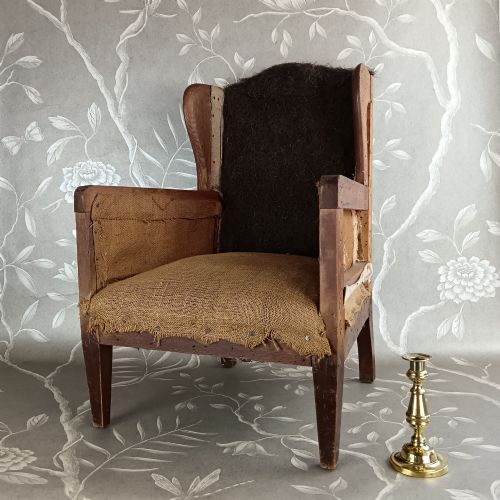
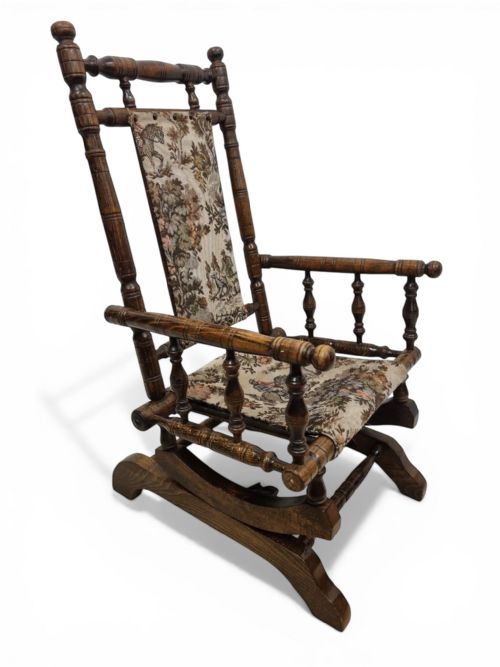
A vintage oak childrens chair represents scaled-down domestic seating made for young occupants, spanning periods from Georgian times through to the early twentieth century. These furnishings take several forms, including high chairs, wingback armchairs, ladderback chairs, and rocking chairs designed for domestic spaces.
The pieces appearing on this page showcase vernacular traditions and stylistic influences such as Edwardian design, Georgian style, and rustic folk art. They offer practical seating that has survived generations of use in family homes.
How they were made
Joiners and makers utilised solid oak and timber for the primary frames, constructing durable pieces designed to withstand heavy daily use by children. Secondary materials such as rush, elm, and dark wood appear alongside structural elements.
Upholstery and seating details include tapestry fabric, hessian, and woven rush seats, reflecting traditional methods of comfort and support common in country vernacular workshops.
Vintage Oak Childrens Chair Retail Price Guide 2026
Typical asking prices for vintage oak childrens chair among the pieces listed under this phrase on Sellingantiques today, from the lower quarter to the upper quarter. They describe what is for sale here now, not the wider market.
Listings feature items from the Georgian period up to the 1930s, constructed primarily in oak, elm, and timber with rush and tapestry seats.
What varies in quality
The distinction between standard examples and finer pieces lies in the refinement of the timber selection, the complexity of the joinery, and the retention of original upholstery textiles like tapestry fabric. Early pieces with deliberate stylistic details such as ladderbacks or wingback profiles command greater attention from collectors.
Proportion and structural integrity also dictate worth, as chairs retaining their original rush seating or folding mechanisms demonstrate superior regional craftsmanship compared to simpler utilitarian makes.
The Vintage Oak Childrens Chair Glossary
- Ladderback
- A chair style featuring horizontal slats rising up the back support, often seen on vernacular seating. This traditional construction method provides sturdy support.
- Rush
- Woven marsh grass utilised for traditional seat bottoms. It offers a flexible and durable surface for daily use.
- Wingback
- An armchair design featuring protective side panels attached to the armrests or back. This style blocks draughts and provides secure seating.
- Vernacular
- Architecture and furniture made by local craftsmen using traditional regional methods rather than high academic styles. These objects reflect local material availability.
Vintage Oak Childrens Chair: Frequently Asked Questions
What periods do these chairs cover?
The listings encompass items ranging from the Georgian era through the nineteenth century and into the early decades of the twentieth century. This timeline covers diverse vernacular traditions.
Craftsmanship evolved across these periods, moving from formal Georgian influences toward simpler rustic folk art and Arts and Crafts interpretations.
Were these chairs used for dining?
Many examples take the form of high chairs specifically intended to raise a young child to table height during family meals. Other variants served as general seating.
Rocking chairs and low armchairs provided restful seating for nurseries and living spaces rather than dining utility.
What materials are common in the frames?
Solid oak and timber form the primary structural framework for the vast majority of these small seats. Elm and other dark woods also appear in regional makes.
These robust materials ensured the furniture could endure generations of domestic childhood use without failing.
How do rush seats differ from upholstered ones?
Rush seating utilises woven marsh grass to create a textured, breathable base that requires no additional padding. It is typical of country ladderback designs.
Upholstered versions incorporate materials like tapestry fabric and hessian over padding, offering a softer seat often found on wingbacks and rocking chairs.