






Vintage Oak Caddy
A vintage oak caddy brings sturdy grain and honest craftsmanship to desks, sideboards, and living spaces.
Vintage Oak Caddy
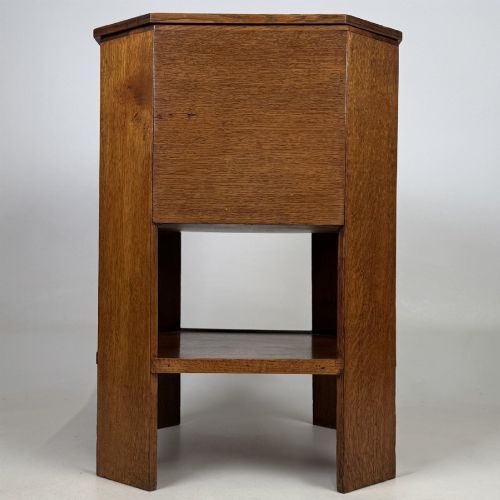
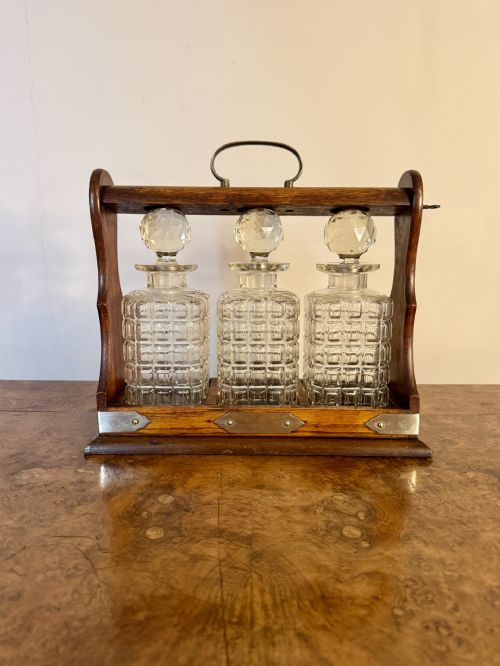
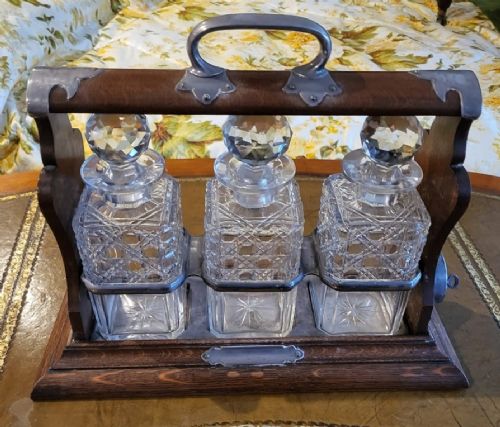
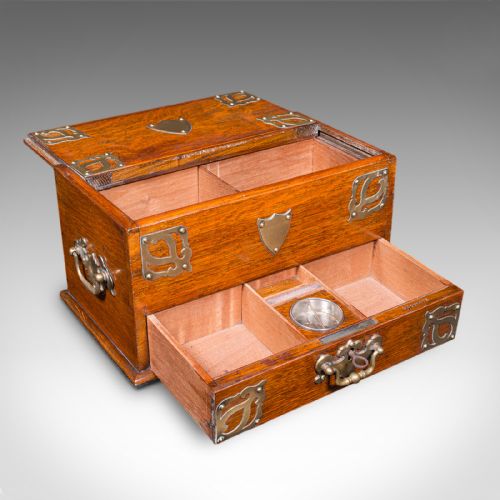
A vintage oak caddy gathers utilitarian storage and serving vessels into a robust wooden housing, drawing on periods from the Georgian era through to the mid-twentieth century. Buyers searching for a vintage oak caddy often encounter utilitarian forms like biscuit barrels, tea vessels, and smokers' boxes alongside larger drinks tantalus units and stationery boxes. These pieces reflect the functional demands of country houses and domestic parlours, utilising durable native timbers to protect contents ranging from tobacco to dry biscuits.
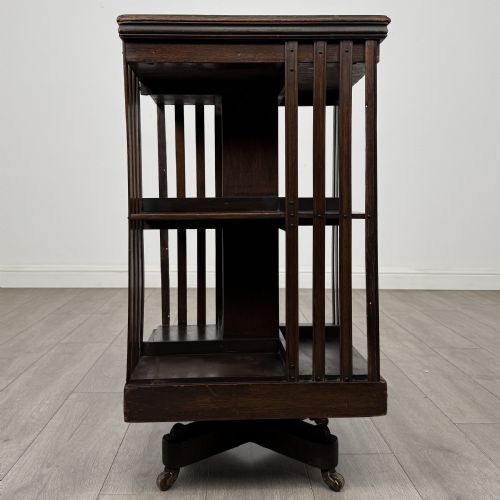
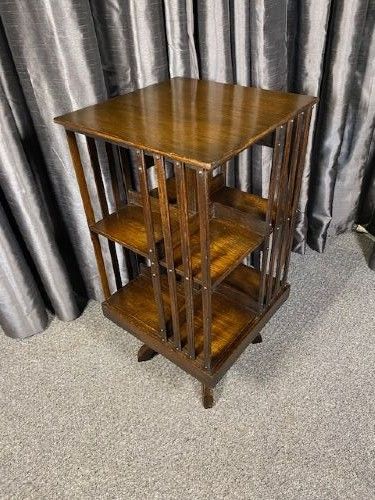
The material palette recorded in the listings leans heavily on solid oak augmented by brass mounts, silver plate, and occasional glass inserts. While some items follow straightforward rectangular joinery, others adopt cylindrical drum shapes or incorporate revolving mechanisms for desk use. The variety reflects a broad span of manufacture encompassing Victorian domestic life, Edwardian hospitality, and later twentieth-century interpretations.
Materials and construction
Construction relies upon seasoned oak boards, selected for grain pattern and strength, joined with traditional techniques suited to heavy daily use. Biscuit barrels and tantalus frames frequently employ curved stave construction or tight box joints, ensuring the wood withstands the weight of glass decanters and metal fittings.
Metalwork plays a structural and decorative role, with brass hinges, locks, and carrying handles screwed directly into the timber. Silver-plated mounts and collars add contrast to the warm brown tones of the oak, while interior linings often feature baize or fitted partitions to secure fragile glass.
Vintage Oak Caddy Retail Price Guide 2026
Typical asking prices for vintage oak caddy among the pieces listed under this phrase on Sellingantiques today, from the lower quarter to the upper quarter. They describe what is for sale here now, not the wider market.
Listings span periods from the eighteenth century through Georgian, Victorian, Edwardian, and 1930s eras, predominantly utilising oak alongside brass and silver plate.
Assessing quality and character
Quality rests in the precision of the joinery and the integration of metal mounts with the timber housing. Superior examples display tight, clean joints, well-fitted lids, and robust locking mechanisms that operate smoothly without binding.
The preservation of original surface finishes and hardware distinguishes finer pieces from heavily altered or restored items. Patina developed through decades of handling adds depth to the oak, while intact silver plate and original brass locks maintain the integrity of the design.
Walker & Hall·John Grinsell & Sons
The Vintage Oak Caddy Glossary
- Tantalus
- A locking wooden frame holding decanters securely to prevent unauthorized access to spirits while displaying the bottles through intersecting bars.
- Biscuit barrel
- A lidded container, often drum-shaped with ceramic or glass liners and silver-plated mounts, designed for storing dry biscuits on the dining table.
- Smoker's box
- A compartmentalised desk or table box intended for cigars and tobacco, frequently fitted with interior racks and matches holders.
- Pollard oak
- Timber taken from trees that have been pollarded, producing a dense, highly figured grain pattern utilised for decorative veneer panels.
- Silver plate
- A thin layer of silver fused to a base metal foundation, commonly applied to the rims, handles, and mounts of wooden boxes.
Vintage Oak Caddy: Frequently Asked Questions
What was a vintage oak caddy used for?
These vessels served diverse domestic functions, ranging from housing dry tea leaves and biscuits to securing expensive spirits and cigars behind locked wooden frames. Households relied on them for organised storage in reception rooms and country house dining spaces.
Over time, their roles evolved alongside changing social habits, transitioning from practical pantry and parlour storage into decorative items appreciated for their robust construction and tactile materials.
How do I date an oak caddy?
Dating relies on observing construction methods, hardware styles, and the specific mix of materials like brass, silver plate, and cut glass. Victorian and Edwardian examples often feature heavy cast brass mounts and patented locking mechanisms.
Earlier pieces from the Georgian period tend toward simpler lines and hand-cut joinery, while twentieth-century iterations show shifts towards smoother finishes and alternative internal configurations.
How do I care for oak surfaces?
Maintenance involves keeping wooden surfaces away from direct heat sources and sudden humidity shifts to prevent the oak from warping or splitting. Occasional application of a suitable beeswax polish maintains the sheen and nourishes the grain.
Metal mounts require gentle cleaning with a soft cloth to avoid abrading the surrounding timber or wearing away silver-plated finishes on hinges and handles.
Are interior glass liners usually original?
Many surviving pieces retain their original cut glass or ceramic liners, though replacements are common due to the fragile nature of glass over decades of use. Matching liners feature appropriate thickness and fit snugly within the wooden or metal framework.
When evaluating a piece, inspecting the interior fit provides clues regarding whether the components have remained together since manufacture.