



Vintage Nutcracker
These vintage nutcracker pieces are tactile items of functional tableware, ranging from carved Black Forest wood to silver-plated metal, prized for both utility and decorative charm.
Vintage Nutcracker
A vintage nutcracker search brings up a varied collection of utilitarian items, spanning functional tableware and sculptural objects designed for cracking shells. The examples available on this page lean heavily into carved wooden forms alongside metal serving tools.
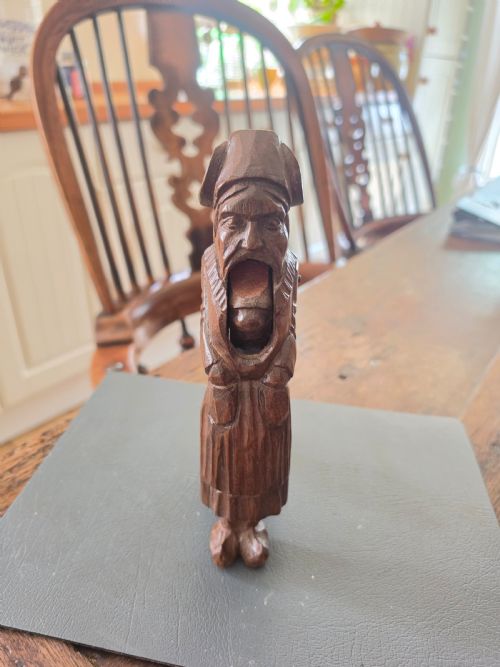
Wooden interpretations appear frequently, encompassing regional styles such as Black Forest carvings, folk art pieces, and treen items fashioned into animals or novelties. These items range from Georgian treen to Victorian and Edwardian wooden carvings.
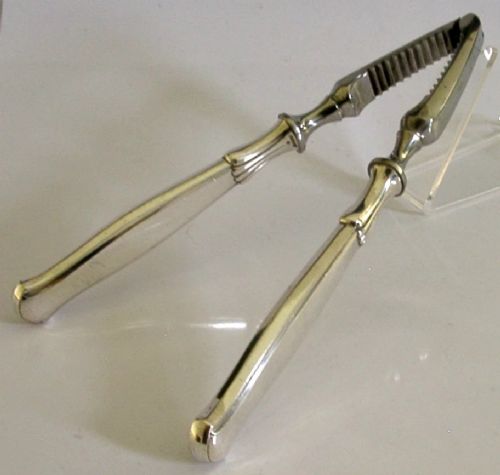
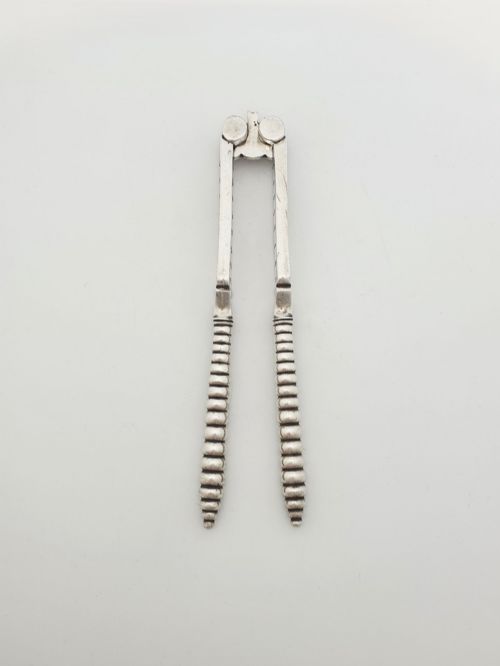
Metal alternatives form another distinct group within the selection, featuring silver-plated lobster crackers, boxed sets with grape scissors, and mid-century German silver-handled items. These pieces bridge the gap between practical dining accessories and ornamental table objects.
Assessing the examples
Original packaging and completeness affect the standing of metal sets, particularly where fitted presentation boxes and matching companion pieces remain intact alongside the primary nutcrackers.
Vintage Nutcracker Retail Price Guide 2026
Typical asking prices for vintage nutcracker among the pieces listed under this phrase on Sellingantiques today, from the lower quarter to the upper quarter. They describe what is for sale here now, not the wider market.
The Vintage Nutcracker Glossary
- Black Forest
- A style of wood carving originating from the mountainous region of Central Europe, typically characterised by detailed animal figures and foliage in dark woods.
- Treen
- Small handmade wooden domestic objects made before the widespread use of plastics, valued for their tactile qualities and utilitarian history.
- Silver Plate
- A base metal coated with a thin layer of silver, commonly used for Victorian and later dining utensils and tableware.
- Fruitwood
- A dense, smooth wood harvested from fruit-bearing trees such as apple or pear, frequently chosen by makers for small turned or carved objects.
- Seafood Tools
- Utensils such as lobster crackers designed specifically for breaking crustacean shells, often grouped with general nut-cracking implements.
Vintage Nutcracker: Frequently Asked Questions
How do these nutcrackers work?
Most wooden examples utilise a lever or screw mechanism integrated into the carving to apply pressure to shells. Metal variants typically employ hinged jaws or plier designs for leverage.
These mechanisms require gentle handling to preserve the historical wood or metal components during use.
What periods do these pieces date from?
The selection includes items spanning from the Georgian era through the Victorian and Edwardian periods, extending into mid-century examples.
Dating relies on stylistic markers, material choices, and manufacturing techniques characteristic of each specific era.
How should wooden pieces be maintained?
Wooden nutcrackers benefit from occasional conditioning with appropriate natural waxes to keep the material from drying out. Avoiding excessive moisture protects the carved surfaces.
Displaying them away from direct heat sources helps prevent splitting in older hardwoods.
Are metal crackers made of solid silver?
The metal items listed on this page primarily consist of silver plate over a base metal, alongside specific pieces marked as 800 silver.
Silver plate offers the appearance of solid silver while providing the durability required for functional cracking tools.
What subjects are common in figural carvings?
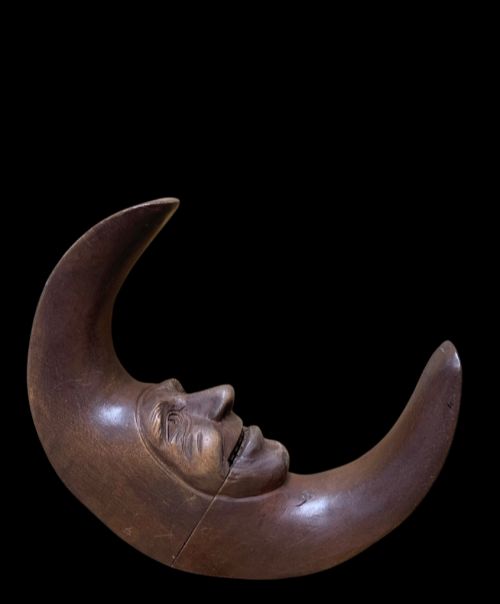
Carvers frequently depicted animals such as squirrels and monkeys, alongside human hands formed into clenched fists or celestial faces like the man in the moon.
These imaginative motifs turned everyday kitchen tools into decorative conversation pieces for the dining table.