




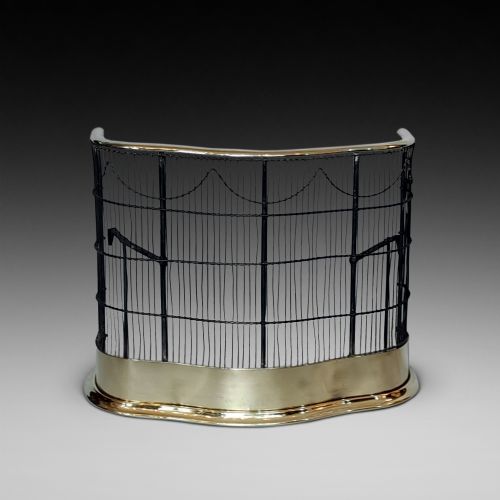

Vintage Nursery Screen
A vintage nursery screen keeps small hands safe from the hearth while bringing period brass and wirework into the room.
Vintage Nursery Screen
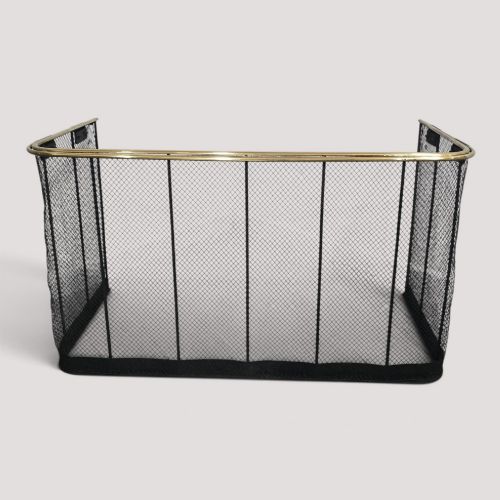
A vintage nursery screen, often listed as a fire guard or nursery fender, is a protective barrier designed to encircle an open fireplace and keep children away from the flames. Buyers searching for a vintage nursery screen will find practical guards primarily originating from the nineteenth century, the Victorian era, and the Edwardian period. These pieces combine a functional perimeter with domestic safety in mind.
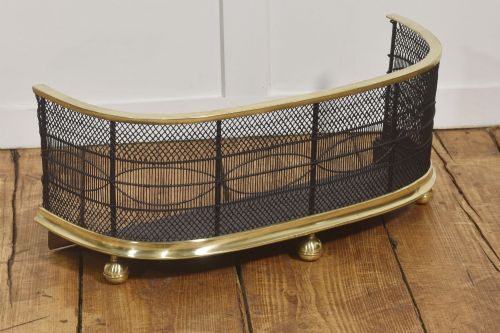
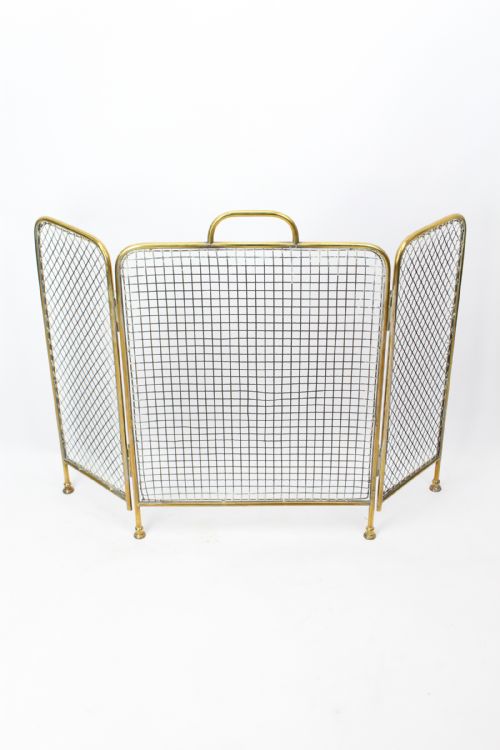
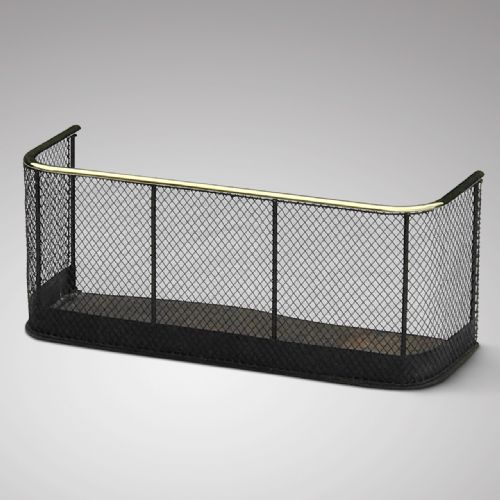
The most common forms on this page include folding brass frames, bowed brass designs, and serpentine wire mesh guards fitted with brass top rails. Some examples incorporate practical additions like a clothes rail for airing garments by the fire. They bridge the gap between heavy hearth furniture and lighter protective screens.
Materials span from polished brass and wrought iron to woven iron wire and steel mesh. Originating from Regency, Victorian, and Edwardian workshops, these guards reflect the domestic priorities of their respective eras. Their survival demonstrates both their sturdy initial construction and their enduring utility in period homes.
Materials and construction
Makers constructed these protective barriers using rigid metal frames of brass, wrought iron, and steel to withstand daily hearth use. Brass featured heavily for decorative top rails, rims, and structural framing, providing a bright contrast against darker hearth surrounds. Wrought iron and steel formed the sturdier base elements and structural supports.
The protective body itself relied upon woven iron wire, wire mesh, and steel wire stretched tightly across the metal frames. This mesh allowed radiant heat to pass through into the room while forming a physical barrier against sparks and embers. Folding mechanisms and bowed shapes required precise metalworking to ensure the guards stood securely around the hearth.
Vintage Nursery Screen Retail Price Guide 2026
Typical asking prices for vintage nursery screen among the pieces listed under this phrase on Sellingantiques today, from the lower quarter to the upper quarter. They describe what is for sale here now, not the wider market.
Materials recorded across the current selection include heavy wrought iron, polished brass, and delicate steel wire mesh.
Assessing quality and craftsmanship
Quality in a vintage nursery screen rests on the gauge of the wire mesh and the weight of the supporting brass or iron frame. Finer examples display tightly woven wire mesh free from sagging, paired with substantial cast brass top rails and sturdy hinges on folding models. Lighter, more utilitarian versions utilise simpler iron frames and basic wirework.
The refinement of the metal finishing separates standard production from finer work, particularly in the shaping of serpentine curves and bowed frames. A well-made guard sits squarely on the hearth without wobbling, its brass elements showing careful polishing and its ironwork neatly joined rather than crudely fixed.
The Vintage Nursery Screen Glossary
- Fire guard
- A protective barrier placed in front of an open fireplace to prevent sparks from escaping and children or pets from getting too close. They are typically constructed from metal wire mesh and supportive metal frames.
- Nursery fender
- A low metal barrier that surrounds the hearth, frequently equipped with an integrated clothes rail for warming garments. These pieces combine the perimeter boundary of a fender with the height of a fire guard.
- Serpentine
- A gently undulating curved shape resembling a snake's movement, often seen along the front profile of Victorian wire mesh guards. This contour adds visual interest and stability to the frame.
- Wire mesh
- A barrier material formed by interwoven metal wires that provides visibility of the fire while blocking stray embers. It forms the primary protective surface on most nursery screens.
Vintage Nursery Screen: Frequently Asked Questions
How do I choose the right size screen?
Measure the width and depth of your hearth area to ensure the guard encompasses the fire surround completely. Consider whether you need a folding design to adjust the coverage or a fixed bowed shape.
Take note of the height as well, ensuring the top rail sits high enough to provide adequate safety while matching the proportions of your fireplace opening.
Were these guards used only in nurseries?
While named for their primary role in protecting children in Victorian and Edwardian nurseries, these screens were utilised in any main reception room with an open fire. Their practical design made them standard household equipment wherever open hearths posed a daily hazard.
Today, they serve the same dual purpose of domestic safety and period decoration in living rooms and studies.
How do I clean brass and wire mesh?
Dust the wire mesh regularly with a soft brush or vacuum attachment to prevent soot accumulation. For brass frames, apply an appropriate metal cleaner sparingly with a soft cloth, taking care not to stain the surrounding wire.
Avoid harsh abrasives that might scratch the woven iron wire or strip the aged patina from the nineteenth-century metalwork.
Can I use a vintage screen with a modern fire?
These screens fit readily around modern gas fires or decorative hearths, provided the dimensions match your floor space. They introduce period character and texture to contemporary interiors while maintaining their original protective function.
Ensure the base sits evenly on your hearth flooring before lighting any fire behind the mesh.