


Vintage Novelty Lamp
When you handle a vintage novelty lamp, you hold a functional piece of decorative art shaped as an animal, ship, lighthouse, or book.
Vintage Novelty Lamp
A vintage novelty lamp transforms everyday illumination into sculptural theatre, adopting forms from animals and ships to architectural lighthouses and books. When you search for a vintage novelty lamp, you encounter items intended to amuse, startle, or delight observers in domestic spaces.
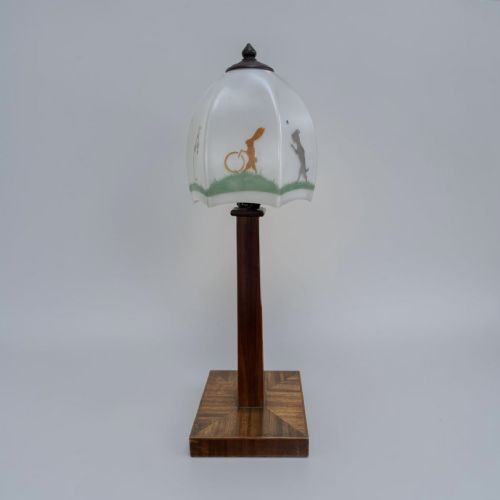
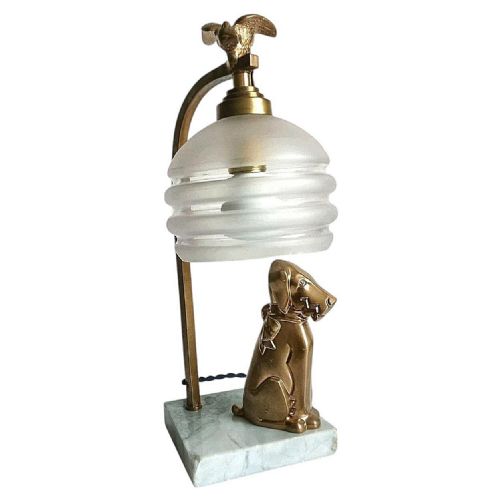
The selections span the Victorian era, Edwardian period, and the 1920s and 1930s Art Deco years, extending into mid-century modern design. Animal subjects dominate, particularly owls, bears, dogs, and elephants, rendered in ceramic, porcelain, carved wood, and silver plate.
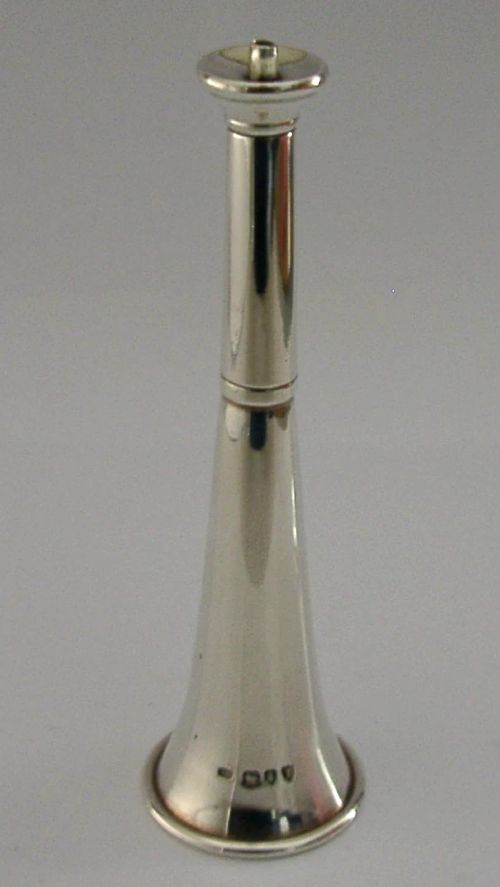
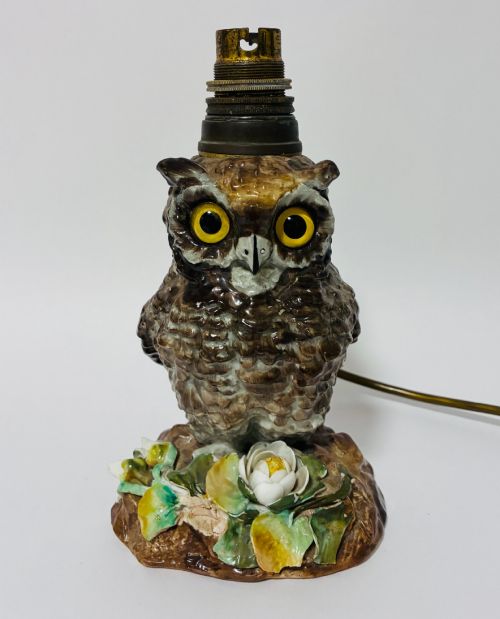
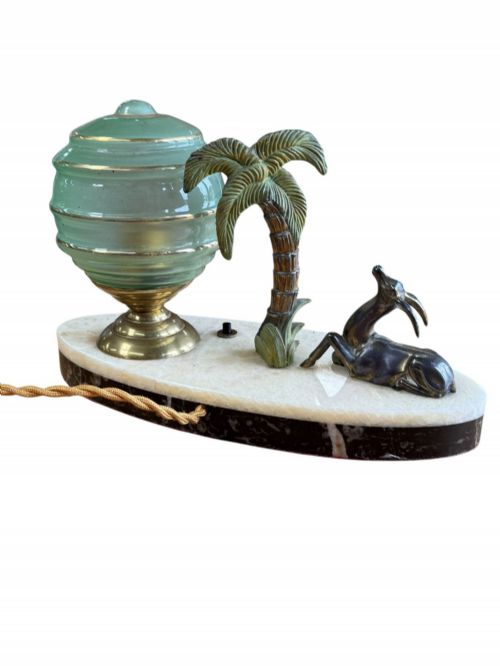
Forms vary wildly, ranging from German porcelain owl oil lamps to carved linden wood Black Forest bear lamps and silver-plated palm trees. You are most likely to meet figural ceramic animals fitted for electricity alongside metal lighters styled as classical oil lamps or hunting horns.
Materials and construction
Makers utilised ceramic, porcelain, glass, and metals including brass, sterling silver, silver plate, and chrome. Carved wood pieces employ traditional techniques seen in Black Forest Linden wood sculptures, while others combine marble bases with metal figures.
Porcelain and ceramic examples involve moulded bodies, hand-painted details, and fitted burner mechanisms or lamp holders. Metal pieces rely on casting, silver plating, and detailed engraving to render subjects like foxes, dogs, and galleon ships with precision.
Some nineteenth-century gentlemen clearly required their cigar lighters shaped precisely like a fox hunting horn or Aladdin's lamp.
Assessing quality in novelty lighting
Materials dictate longevity and weight, with solid sterling silver, heavy bronze or brass, and dense carved wood sitting above lighter plated metals. Maker attribution also elevates certain pieces, particularly recognised German porcelain manufactories and French Art Deco workshops.
Ernst Bohne und Sohn·Sitzendorf·Elkington·Argilor
The Vintage Novelty Lamp Glossary
- Table lighter
- A functional desk accessory designed to resemble a lamp or other object, intended for igniting cigars or pipes. These often mirror classical oil lamps or hunting horns.
- Black Forest carving
- A style of wood carving originating in the Swiss and German border regions, celebrated for realistic animal figures like bears. Artisans utilise linden wood to create detailed fur and expression.
- Perfume lamp
- A small decorative lamp featuring a basin for scented oil that diffuses fragrance when heated by the bulb. These frequently take figural forms such as birds or human figures.
- Silver plate
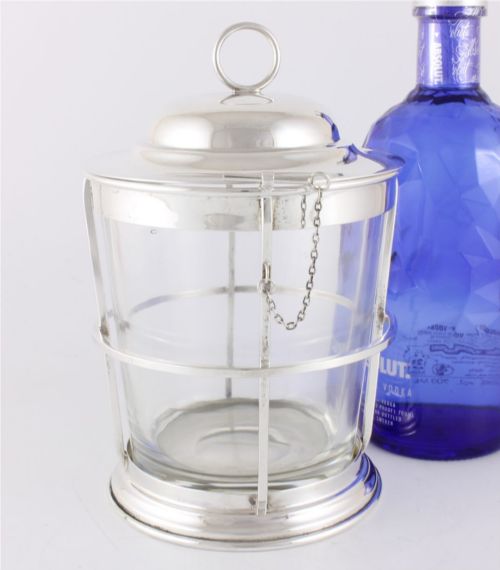
- A base metal coated with a thin layer of silver, common in Victorian and Edwardian novelty lighting. It provides the lustre of solid silver at a different weight and production cost.
- Oil lamp
- A lighting device that burns liquid fuel via a wick before electricity became standard. Many surviving examples later undergo conversion to electrical fittings.
Vintage Novelty Lamp: Frequently Asked Questions
How do I date a novelty lamp?
Dating relies on material composition, maker marks, and stylistic indicators such as Victorian moulded porcelain or 1930s Art Deco chrome.
Examining the wiring, switches, and interior hardware provides additional clues regarding the period of manufacture and subsequent conversions.
Were these always electric lamps?
Many early pieces began life as oil lamps, paraffin burners, or table lighters before receiving electrical conversions later in their lifespan.
Original wiring is uncommon in Victorian and Edwardian examples, so buyers should expect modern safety upgrades.
Where were most figural lamps made?
Production centres spread across Germany, France, and England, with German factories specialising in moulded porcelain animals and British firms producing silver-plated novelties.
Continental workshops frequently exported carved wood and novelty metal pieces to the domestic British market.