




Vintage No End Beds
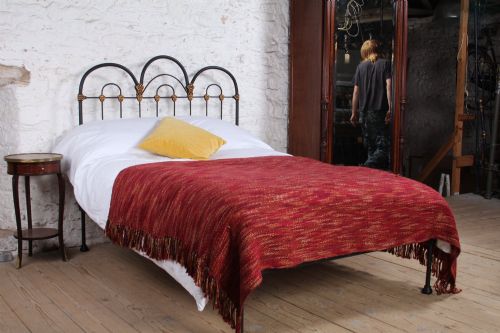
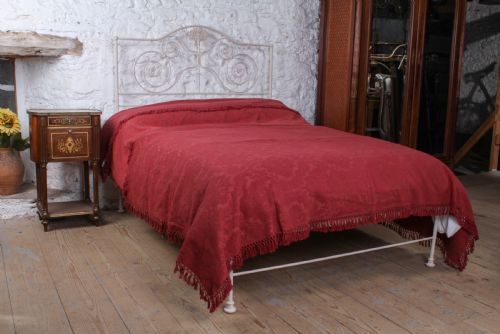
These vintage no end beds are open-ended frames designed for flexible sleeping spaces, offering classic metalwork and distinct period charm.
Vintage No End Beds
When you search for vintage no end beds, you encounter sturdy iron, brass, and occasional wooden frames originating across the Victorian era into the early twentieth century. The selections available here heavily favour generous king size dimensions alongside practical single beds and double formats.
Many examples showcase Irish provenance or French styling, featuring distinct characteristics such as low profiles, classical straight rails, and arched head and foot sections. These pieces provide an open aesthetic that prevents bedrooms from feeling cramped while delivering robust daily support.
Construction and materials
Makers constructed these frames predominantly using heavy cast iron, forged wrought iron, and polished brass elements joined securely for longevity. Surface finishes often incorporate painted coatings, exposed metal patinas, and occasionally carved wood details or upholstered fabric panels.
Workmanship relied on traditional foundry casting and metal shaping techniques, producing intricate spindles, decorative finials, and structured ribbon reed motifs. These robust assembly methods ensured the beds could withstand decades of regular domestic use.
Vintage No End Beds Retail Price Guide 2026
Typical asking prices for vintage no end beds among the pieces listed under this phrase on Sellingantiques today, from the lower quarter to the upper quarter. They describe what is for sale here now, not the wider market.
Several single beds come with the sociable superpower of being able to join together whenever company arrives.
Assessing quality and design
Superior examples distinguish themselves through crisp casting definition, substantial metal weight, and well-preserved brass components that retain their natural polish. Finer pieces incorporate thoughtful decorative touches such as balanced spindle arrangements and sophisticated arched shaping rather than plain utilitarian bars.
The integration of modular elements, such as single beds engineered to join together securely, also reflects higher manufacturing thoughtfulness. Condition consistency across both iron structures and brass fittings determines the overall visual appeal within a modern interior.
The Vintage No End Beds Glossary
- No end bed
- A bed frame designed without a high footboard, creating an open appearance that suits modern rooms and simplifies bed-making.
- Ribbon reed
- A decorative linear moulding resembling a tied ribbon, often found enhancing the structural rails of period metal beds.
- Finial
- A decorative terminal ornament screwed onto the top of bed posts or corners, usually cast in brass or iron.
- Cast iron
- Molten iron poured into a mould to create solid, highly detailed bed components and decorative structural castings.
- Louis XVI style
- A neoclassical design movement characterised by straight lines, restrained symmetry, and classical architectural motifs.
Vintage No End Beds: Frequently Asked Questions
What is a no end bed?
A no end bed is a frame built without a traditional high footboard, leaving the foot of the mattress completely open and unobstructed.
This open design makes rooms feel larger and allows bedding to drape freely over the end of the mattress.
Can single no end beds join together?
Many pairs of single vintage beds are manufactured with compatible side rails and fixings specifically so they can be pushed together to form a larger bed.
This offers flexible sleeping arrangements for guest rooms without sacrificing period character.
Are these beds suitable for modern mattresses?
These historical frames accommodate standard modern mattress sizes, though checking exact internal dimensions ensures a secure fit.
Many listings provide standard king, double, or single proportions suited to contemporary bases and bedding.