







Vintage Needlepoint Seat
A vintage needlepoint seat brings textured woolwork and period timber together, offering a tactile anchor for any room.
Vintage Needlepoint Seat
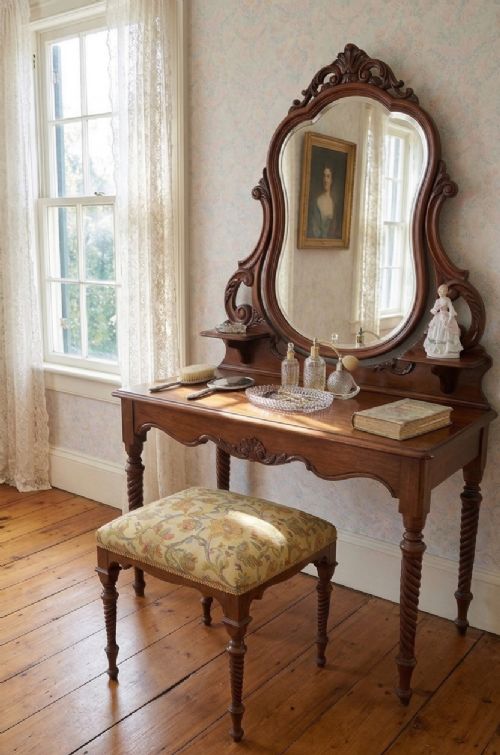
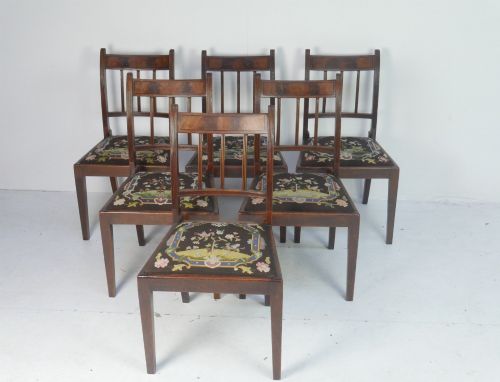
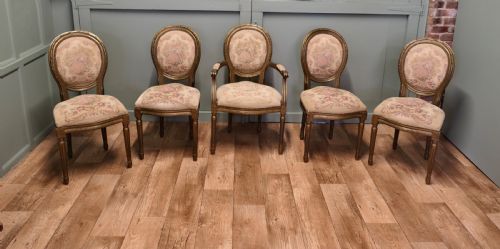
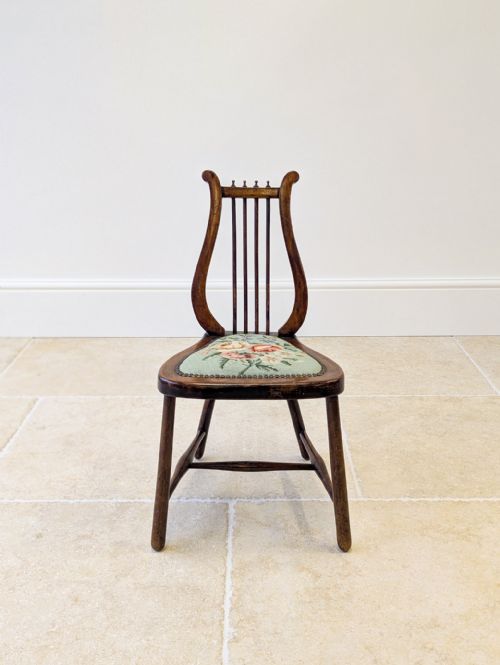
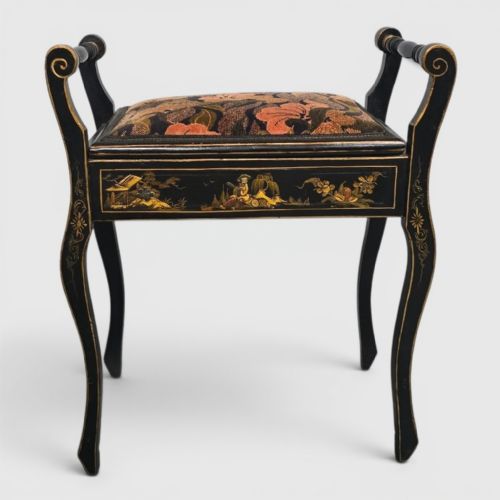
A vintage needlepoint seat encompasses diverse forms ranging from compact dressing stools and piano stools to grand dining chairs and open armchairs. You will frequently encounter Victorian and Edwardian examples alongside pieces drawing on earlier Georgian, Queen Anne, and Regency designs.
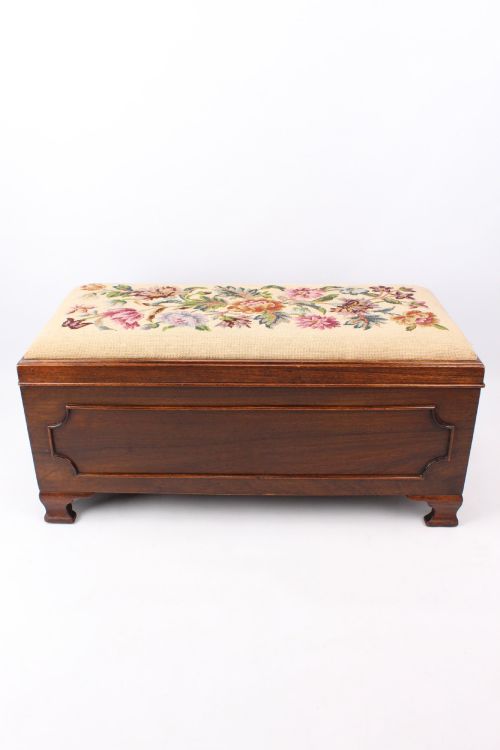
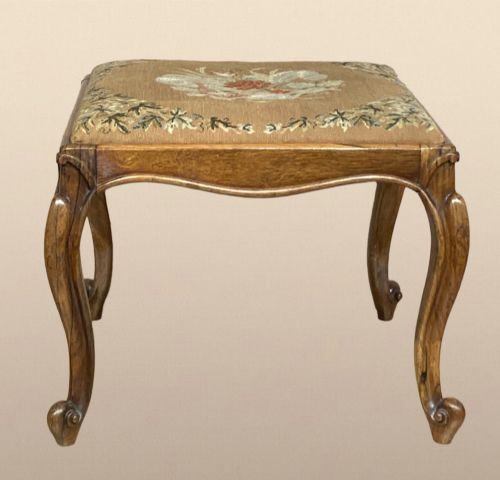
The selection includes specialised seating such as footstools, ottoman variants, and salon suites featuring worked upholstery. Frames span English and French workshops, utilising woods like mahogany, walnut, beech, and rosewood to support intricate textile panels.
Materials and construction methods
Makers constructed the structural frames from dense hardwoods including mahogany, walnut, oak, and beech, frequently employing traditional joinery and carved ornamentation. Some pieces feature giltwood finishes or painted surfaces to complement the timber.
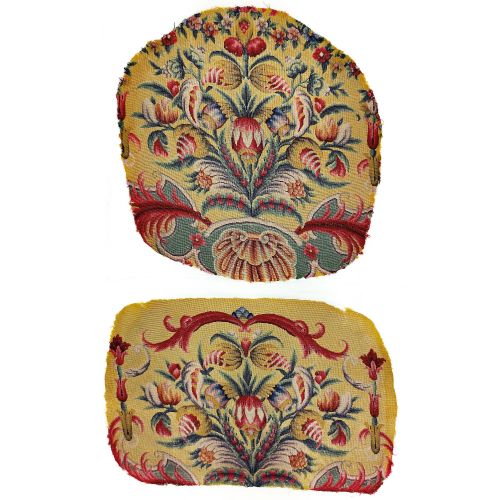
The upholstered inserts rely on durable textiles, wool, and tapestry work executed in needlepoint stitches. Brass fittings occasionally appear on adjustable mechanisms found in piano stools and specialised seating.
Vintage Needlepoint Seat Retail Price Guide 2026
Typical asking prices for vintage needlepoint seat among the pieces listed under this phrase on Sellingantiques today, from the lower quarter to the upper quarter. They describe what is for sale here now, not the wider market.
One diminutive walnut child's armchair waits quietly for a very small aristocrat to claim it.
Quality variations across periods
Quality rests heavily on the crispness of the timber carving and the tightness of the frame construction, whether dealing with a simple footstool or an elaborate armchair. Finer examples display superior timber selection, such as figured walnut or rich mahogany, matched with precise joinery.
The needlepoint and tapestry work itself dictates much of the distinction, separating tightly stitched, expressive wool panels from simpler execution. Original upholstery retains historical integrity, while the underlying timber frames demonstrate the hand of skilled cabinet makers.
Waring and Gillow·Jas Shoolbred·Gillows·Wheeler
The Vintage Needlepoint Seat Glossary
- Needlepoint
- A type of counted thread embroidery stitched over a stiff canvas mesh. It forms the durable, patterned top seen on many period stools and chairs.
- Cabriole leg
- A furniture leg that curves out and then in, resembling an animal's leg. This popular shape appears frequently on walnut and mahogany seating from various centuries.
- Piano stool
- An adjustable seat designed for keyboard players, often featuring a revolving top or mechanical screw mechanism. Examples frequently include upholstered needlework or tapestry covers.
- Giltwood
- Wood that has been coated with a thin layer of gold leaf. It is commonly found on decorative French frames and revival armchairs.
Vintage Needlepoint Seat: Frequently Asked Questions
Are these seats suitable for daily use?
Most sturdy wood and textile combinations handle regular sitting quite well when placed in low-traffic areas. Ensure the underlying frame remains firm and the joints do not wobble before daily placement.
Delicate antique frames or fragile historical needlepoint require more mindful placement. Using them as occasional accent chairs or dressing stools preserves their condition.
What is the difference between tapestry and needlepoint?
Needlepoint is stitched directly onto a stiff open-weave canvas mesh using wool or silk threads. Tapestry historically refers to woven textile wall hangings, though the term often describes heavy stitched upholstery.
In the context of these seats, both terms describe decorative fabric panels worked by hand or machine. Needlepoint specifically denotes the canvas-work technique common on Victorian and Georgian stools.
How should I care for antique needlework?
Keep wool needlepoint panels away from direct sunlight to prevent the coloured threads from fading over time. Gentle surface dusting with a soft brush maintains the textile without damaging the fibres.
Avoid harsh chemical cleaners or excessive moisture when addressing spots on the fabric. Professional textile conservationists can assist with deeper cleaning if necessary.