




Vintage Nautical Wooden Box
A vintage nautical wooden box brings the craftsmanship of the sea directly into the home, offering both practical storage and maritime history.
Vintage Nautical Wooden Box
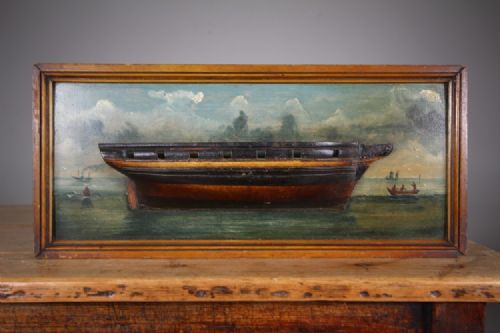
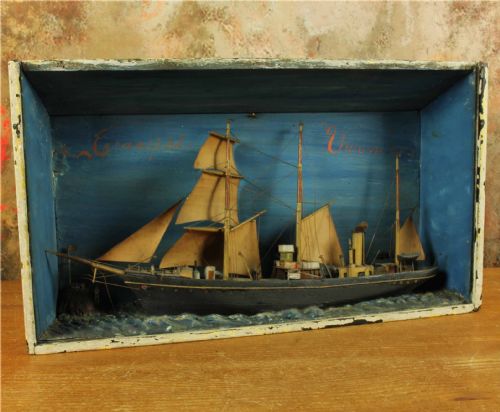
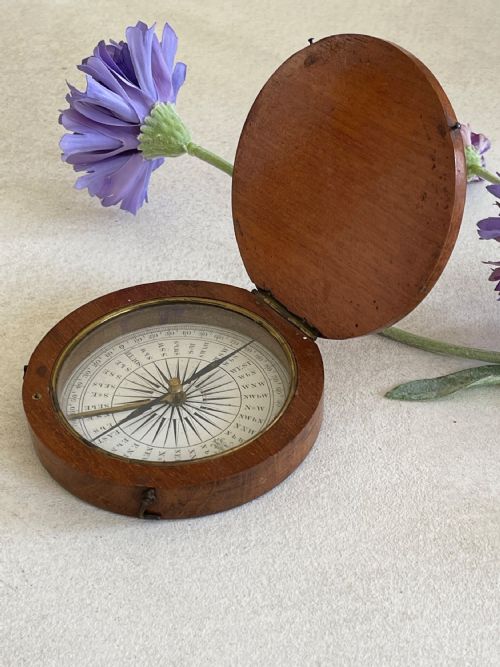
When searching for a vintage nautical wooden box, collectors encounter a diverse range of objects spanning from the Georgian era through to the early twentieth century. These pieces encompass sturdy storage trunks, refined scientific instruments, and intricate shadow box dioramas depicting sailing vessels at sea.
The items found here reflect genuine maritime utility and folk art traditions, originating from English, French, and Cantonese workshops. Buyers will most frequently meet painted pine sea chests, camphor wood trunks with brass fittings, and cased ship models representing Clippers and sloops.
The selection ranges from utilitarian shipwright's tool chests to decorative folk art shell dioramas and educational alphabet boxes. Each object tells a distinct story of exploration, trade, and seafaring life.
How they were made
Makers utilised durable timbers such as mahogany, pine, and camphor wood to withstand the harsh conditions of maritime travel. Camphor wood was particularly favoured for trunks due to its natural insect-repellent properties, whilst pine provided a practical base for painted folk art finishes.
Metal hardware played an essential structural role, incorporating brass for binding corners, hinges, and lock plates, alongside iron reinforcements. Cased items frequently integrated glass to protect delicate interior models, compasses, and dioramas from dust and moisture.
Surface decoration combined hand painting with ebonising, paper elements, and plaster details. Artisans embellished storage chests with maritime scenes, lettering, and decorative motifs, whilst diorama makers built detailed miniature sailing ships using wood, paint, and fabric sails.
What varies in quality
The distinction between standard items and superior examples lies in the integrity of the construction and the sophistication of the finish. Finely made storage boxes demonstrate robust dovetail joinery, original brass mounts, and well-preserved camphor wood or mahogany surfaces.
In dioramas and folk art pieces, quality is measured by the intricacy of the model work and the expressive detail of the hand painting. Superior pieces retain their original glass casings and authentic maritime inscriptions without excessive modern restoration.
The provenance and historical context further elevate a piece, particularly when specific vessels, makers, or geographical origins are documented. Utilitarian items show their quality through honest wear and the survival of their original working components.
Stanley London
The Vintage Nautical Wooden Box Glossary
- Diorama
- A three-dimensional miniature scene enclosed in a case, commonly depicting sailing ships on painted seas. These displays often preserve the appearance of historical vessels in full sail.
- Camphor wood
- An aromatic timber native to Asia, prized for sea chests and trunks because its natural scent repels moths and insects. It is easily identified by its distinctive fragrance.
- Seaman's chest
- A robust wooden trunk utilised by sailors to store personal belongings during long voyages at sea. These chests frequently feature painted decorations and reinforced corners.
- Campaign furniture
- Portable furnishings designed to be easily packed and transported by officers during military or naval campaigns. These pieces typically incorporate folding elements and brass mounts.
- Folk art
- Utilitarian or decorative objects created by self-trained makers using traditional techniques. Maritime examples include hand-painted boxes, shell work, and carved models.
Vintage Nautical Wooden Box: Frequently Asked Questions
What is a diorama box?
A diorama box is a cased display featuring a three-dimensional model of a ship set against a painted maritime backdrop. These objects were often created by sailors or folk artists to commemorate specific vessels and sea voyages.
The glass front protects the delicate interior elements, which may include miniature rigging, waves, and competing ships. They provide a vivid snapshot of nineteenth-century maritime heritage.
Why use camphor wood?
Camphor wood was selected for sea chests because its natural aromatic oils repel insects and prevent mildew in damp shipboard environments. This made it the ideal material for protecting clothing and valuables on long sea journeys.
Trunks made from this timber retain their distinct scent over generations. They remain highly sought after by collectors for both their practical utility and durability.
How do I date a sea chest?
Dating a sea chest involves examining the construction methods, such as dovetail joints, and the type of timber used. Georgian and Victorian examples often feature hand-forged iron or heavy brass hardware that differs from later twentieth-century manufacturing.
Painted inscriptions, original labels, and historical motifs also provide clues to the period of origin. Comparing the style of handles and hinges helps narrow down the decade.
Where were campaign boxes kept?
Campaign boxes were kept in officers' quarters on ships or inside military tents during expeditions. Their design allowed them to be easily packed, stacked, and transported across rough terrain and oceans.
These pieces prioritise sturdy construction, featuring reinforced brass corners to withstand constant travel. They combine utilitarian strength with refined cabinetry.
Are compasses usually functional?
Antique compasses enclosed in mahogany or brass cases vary in their working condition depending on age and previous storage. Many retain their original paper dials and glass covers, though delicate interior needles may no longer point true.
Collectors generally appreciate these instruments for their scientific craftsmanship and maritime history rather than for navigation. They represent the precision engineering of nineteenth-century instrument makers.