




Vintage Natural History Decor
Vintage natural history decor brings specimens and illustrations from past centuries into the home, offering a direct link to early scientific study.
Vintage Natural History Decor
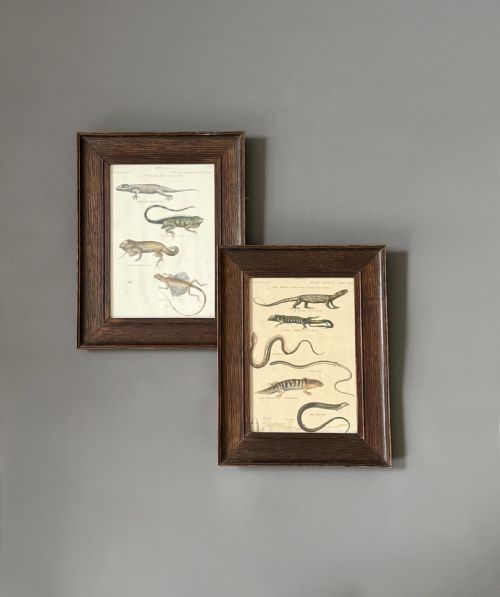
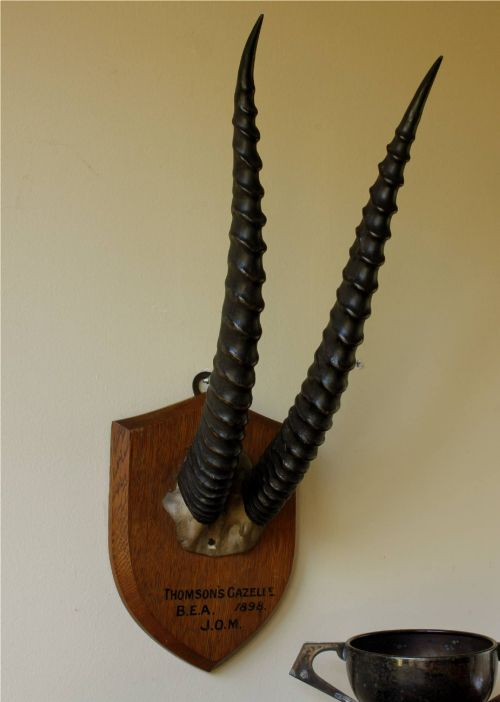
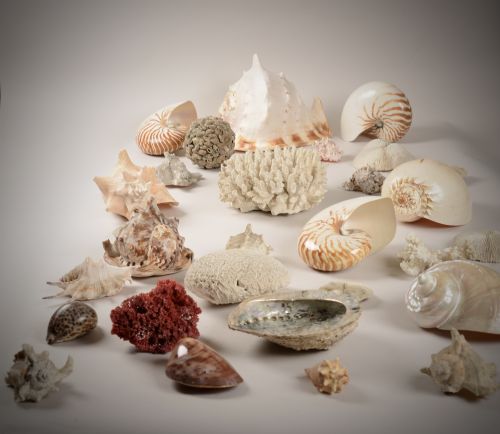
Vintage natural history decor spans framed botanical and zoological prints, taxidermy trophies, and natural curiosities like shells and coral. These pieces originate from periods including the eighteenth and nineteenth centuries, as well as the Edwardian and Victorian eras. Buyers encounter coloured reptile engravings, mounted antelope horns, and framed butterfly prints alongside sculptural animal skulls.
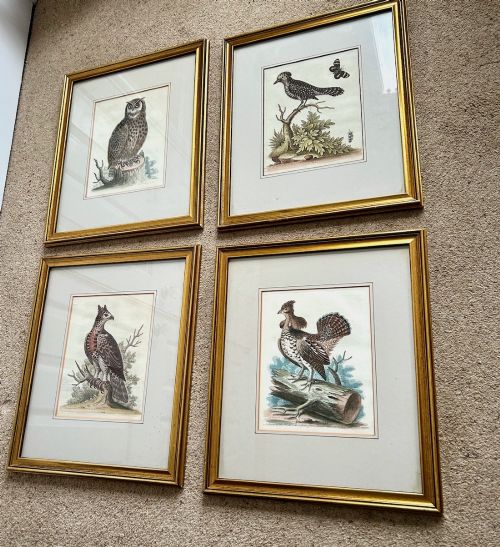
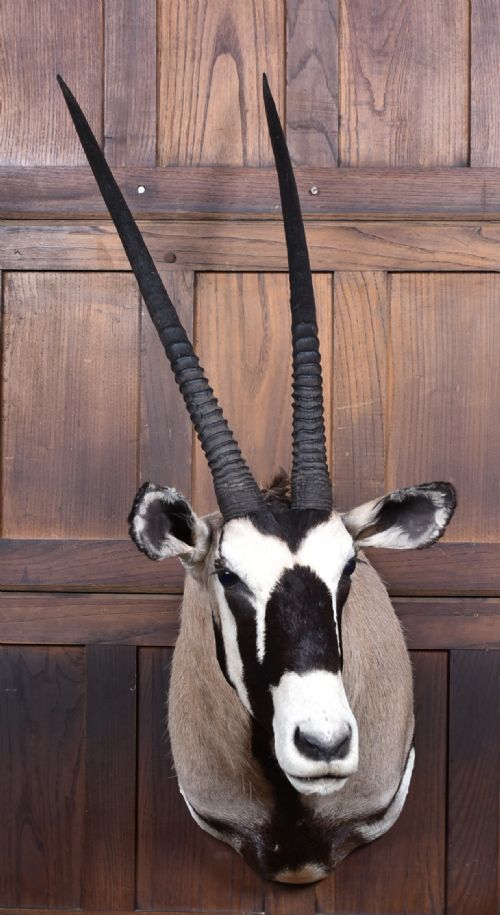
Framed artworks feature detailed studies of fish, birds, and plants produced by historical illustrators. Taxidermy mounts range from springbok and gemsbok trophy heads to a Nile crocodile and a roe deer. Natural objects such as blond turtle shells and giant clam shells complete the selection available to collectors.
What varies in quality
Quality depends upon the preservation of the specimen and the precision of the original scientific illustration. Hand-coloured engravings by notable naturalists display finer detail and truer pigment retention than standard reproductions. Taxidermy mounts show quality through the condition of the hide, horn symmetry, and the fidelity of the historical taxidermist's work.
The provenance of an item influences its standing, particularly when associated with documented naturalists or established firms like Edward Gerrard and Sons. Natural objects such as shells and coral vary according to their scale, structural integrity, and the quality of any custom stands or mountings.
A nineteenth-century turtle carapace offers a quiet reminder of Victorian drawing rooms filled with unexpected ocean spoils.
Edward Gerrard and Sons·William Bird MD FLS·Jonathan Couch·George Edwards·John Curtis·Eleazor Albin·Audebert·Gabriella Binazzi
The Vintage Natural History Decor Glossary
- Taxidermy
- The art of preparing, stuffing, and mounting the skins of animals for display. Historical examples often reflect nineteenth-century scientific collecting methods.
- Carapace
- The upper shell of a tortoise, turtle, or crustacean. Antique examples showcase natural patterning and historical preparation.
- Engraving
- A printmaking process where an artist cuts an image into a metal plate to hold ink. These plates produced the detailed bird and plant illustrations seen in eighteenth and nineteenth-century works.
- Trophy
- A preserved animal head, horns, or skin displayed to commemorate a hunt or specimen collection. Edwardian examples often feature mounted antelope or deer.
- Curiosities
- Natural and manufactured objects collected for their unusual or exotic qualities. Cabinets of these items formed the precursor to modern museums.
Vintage Natural History Decor: Frequently Asked Questions
How do I care for antique taxidermy?
Keep mounted specimens away from direct sunlight and damp conditions to protect historical hides and feathers. Dust gently with a soft brush rather than liquid cleaners.
Stable indoor temperatures prevent the drying and cracking of bone and horn over time.
Are nineteenth-century engravings hand-coloured?
Many historical prints feature delicate watercolours applied by hand over the printed ink lines. This technique was standard for scientific publications of birds, reptiles, and botanicals.
Examining the surface under magnification reveals the subtle brushstrokes typical of period hand-colouring.
How should I display large shell specimens?
Large sea shells and coral pieces require sturdy wooden or metal stands to support their weight safely. Placement should avoid high-traffic areas where the edges might suffer accidental impact.
Maintaining moderate humidity prevents fragile coral structures from becoming brittle.
What defines Edwardian taxidermy style?
Edwardian mounts often focus on African and domestic game displayed as wall-hung trophy heads. Firms like Edward Gerrard and Sons set high standards for anatomical realism during this period.
Shield-shaped wooden mounts frequently accompany these heads to facilitate wall hanging in libraries or halls.