

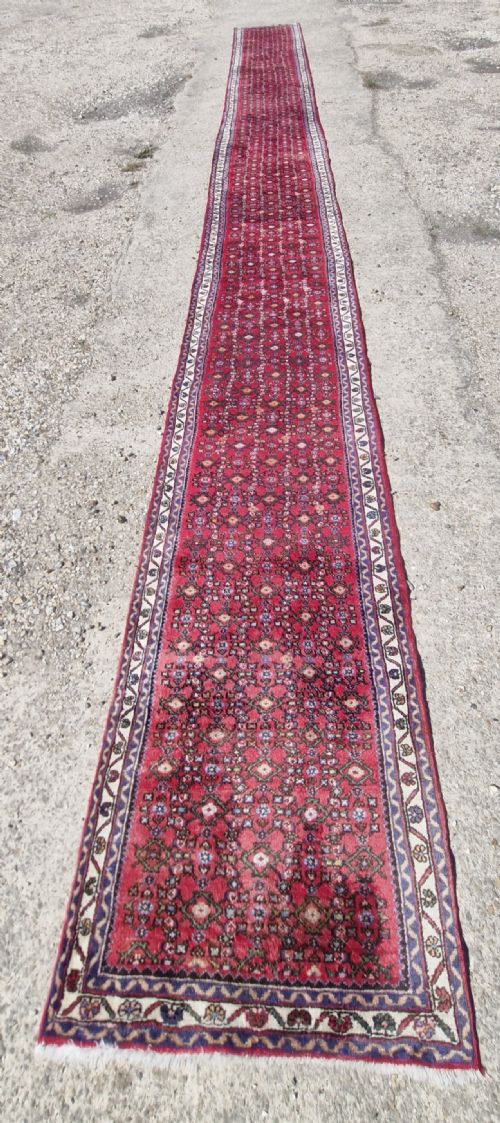
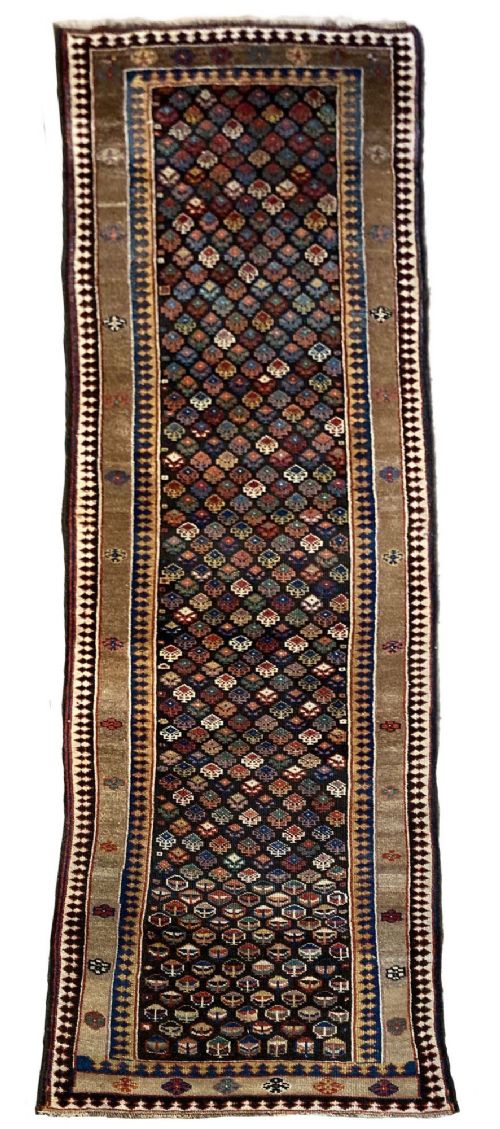


Vintage Narrow Runner
A vintage narrow runner brings linear character and historical craft directly to hallways, landings and long corridors.
Vintage Narrow Runner
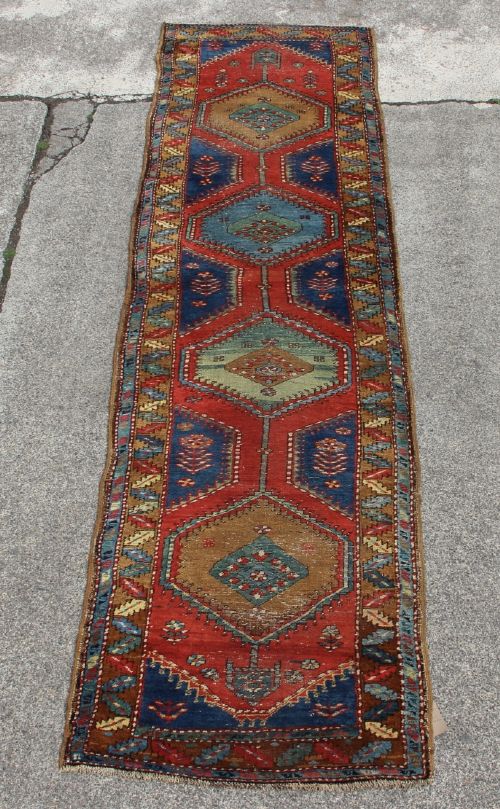
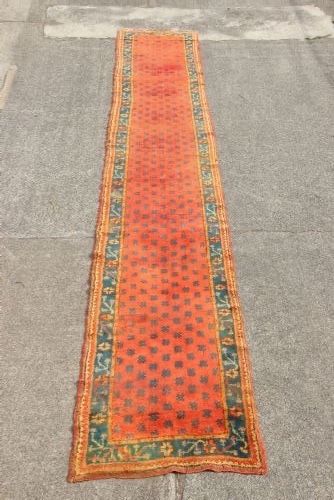
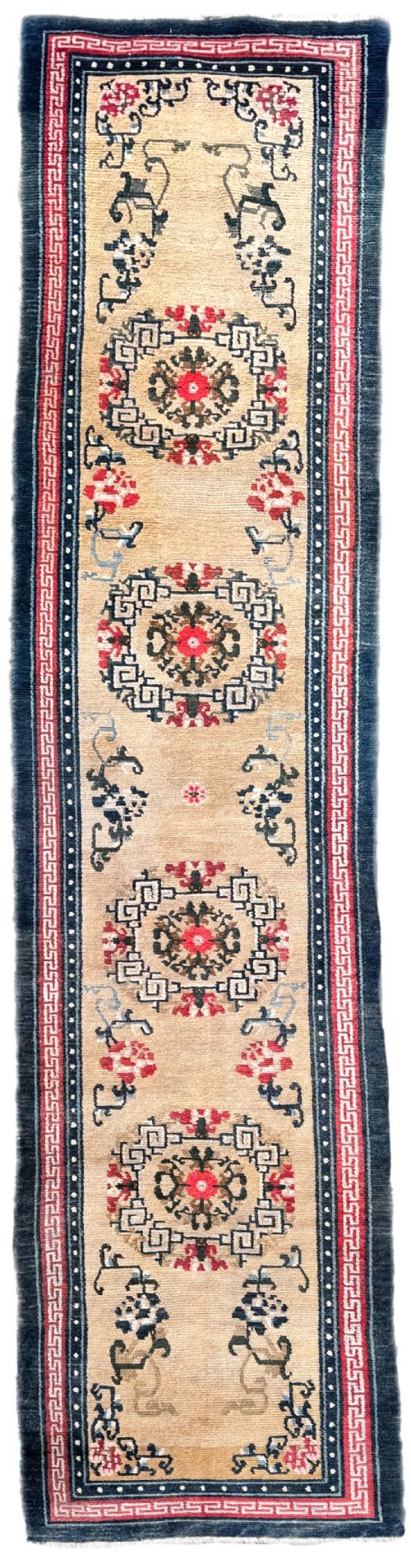
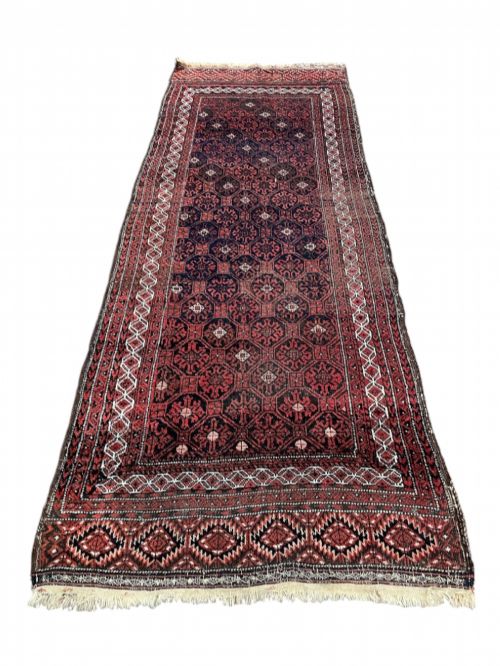
A vintage narrow runner is a long, restricted-width floor covering designed specifically for corridors, halls, and narrow landings. These pieces span production dates from the late nineteenth century through the mid twentieth century, drawing on established weaving traditions from Persia, Turkey, the Caucasus, and Tibet.
The selections encountered here include regional village and tribal expressions such as Heriz, Hamadan, Kurdish, Baluch, and Oushak pieces. These textiles manage domestic foot traffic while introducing distinct geometric, medallion, or field designs suited to linear architectural spaces.
Makers fashioned these runners in various proportions, ranging from standard hallway lengths exceeding three metres to exceptionally extended formats spanning over ten metres. Buyers encounter traditional formats defined by wool foundations and varied pile heights suited to sustained daily use.
How they were made
Weavers constructed these runners primarily using wool and hand-spun wool for both the pile and the foundational warp and weft threads. This natural material provided the durability required for heavy domestic use in hallways.
Craftspeople utilised traditional hand-knotting and flatweave techniques on vertical looms, applying natural and vegetable dyes to achieve deep regional palettes. The resulting textile structure offers structural resilience along narrow dimensions.
Vintage Narrow Runner Retail Price Guide 2026
Typical asking prices for vintage narrow runner among the pieces listed under this phrase on Sellingantiques today, from the lower quarter to the upper quarter. They describe what is for sale here now, not the wider market.
Some extended formats stretch past ten metres in length, requiring serious dedication from the original weavers.
What varies in quality
Quality in these runners rests on the consistency of the weave and the integrity of the wool foundation. Denser knot counts and securely bound selvedges indicate careful regional production.
The stability of the natural dyes and the preservation of the original side cords and ends determine the structural longevity of the piece. Uniform width along extended lengths reflects disciplined craftsmanship during the weaving process.
The Vintage Narrow Runner Glossary
- Runner
- A long, narrow carpet format designed for corridors, stairs, and hallways. These pieces balance architectural length with restricted width.
- Warp
- The vertical foundation threads stretched lengthwise on the loom before knotting begins. The warps carry the structural tension of the runner.
- Weft
- The horizontal threads passed across the warp threads between rows of knots to bind the structure. Wefts stabilize the width of the textile.
- Selvedge
- The finished side edges of a rug formed by wrapping the outermost warp threads. Secure selvedges prevent the textile edges from fraying.
- Pile
- The upright cut or loop yarn surface of a rug forming the decorative face. Pile depth influences both texture and durability.
Vintage Narrow Runner: Frequently Asked Questions
Where do vintage narrow runners work best?
These long formats suit narrow architectural spaces such as hallways, corridors, and long landings where standard carpets fail to fit.
They introduce directional visual interest and soften sound along high-traffic domestic passageways.
How do I measure for a runner?
Measure both the length and width of the corridor while accounting for door clearances and skirting boards.
Leave a uniform margin of exposed flooring around the perimeter of the rug to frame the installation properly.
Are these runners made of pure wool?
Many examples utilise natural wool and hand-spun wool for both the structural foundation and the decorative pile face.
This organic material offers natural resilience against daily wear in active household environments.
How do I care for an old runner?
Regular gentle vacuuming without a rotating brush bar prevents dirt accumulation within the wool pile.
Using a suitable underlay prevents slippage and reduces friction against the floorboards beneath.