






Vintage Narrow Desk
A vintage narrow desk offers compact workspace and traditional character, fitting neatly into tight studies or bedrooms.
Vintage Narrow Desk
A vintage narrow desk comprises compact writing surfaces, side tables, writing bureaus, and secretaire cabinets designed for limited spaces. Buyers searching for a vintage narrow desk typically encounter pieces dating from the nineteenth century up through the nineteen-twenties, often spanning Edwardian and French styles.
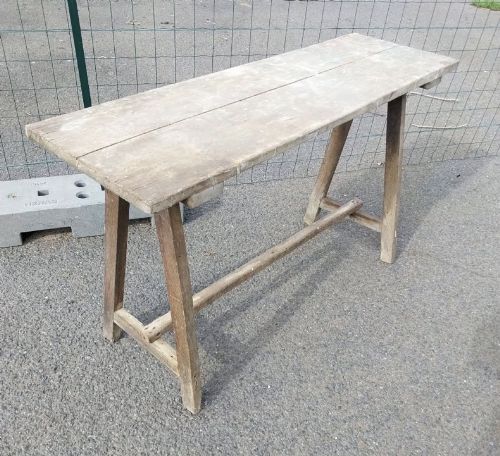
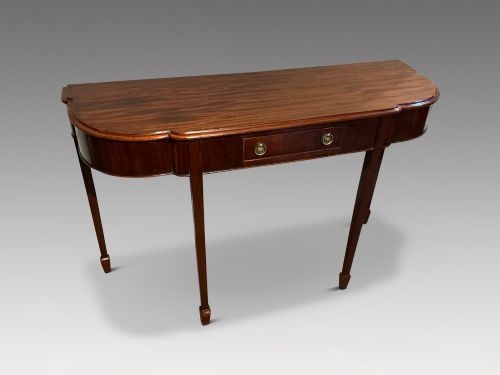
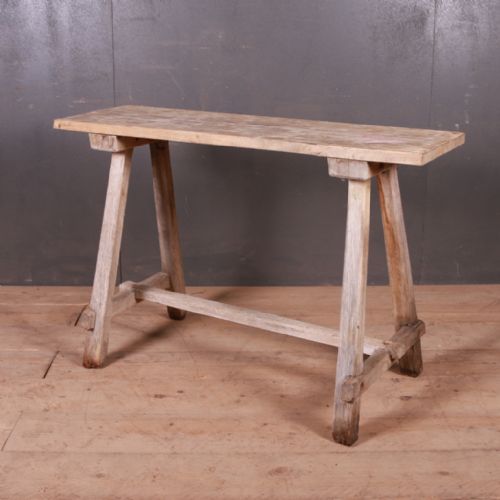
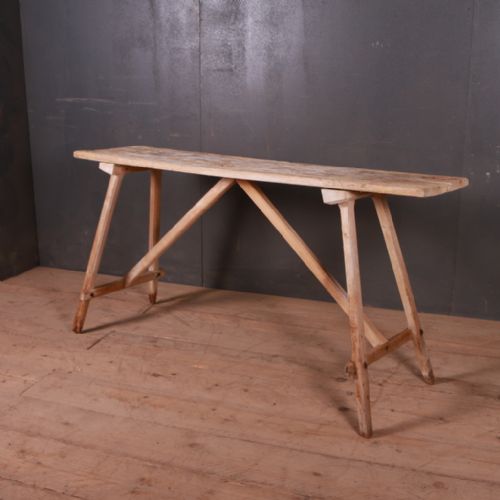
The selection on this page centres on practical forms such as writing bureaus, oak side tables, and trestle tables. These items provide functional workspace or surface area without dominating a smaller room.
Origins vary across English country workshops and French provincial makers, utilising regional timbers and traditional construction methods. Each piece brings specific period charm, whether through Edwardian oak grain or nineteenth-century French proportions.
How they were made
Construction relies upon solid timbers including oak, pine, mahogany, and kingwood. Carpenters shaped these woods using traditional joinery suited to the specific demands of desks and tables.
Metal elements such as brass handles and ormolu mounts appear alongside wood surfaces, providing operational hardware and decorative contrast. These materials reflect the standard cabinet-making practices of the nineteenth and early twentieth centuries.
Vintage Narrow Desk Retail Price Guide 2026
Typical asking prices for vintage narrow desk among the pieces listed under this phrase on Sellingantiques today, from the lower quarter to the upper quarter. They describe what is for sale here now, not the wider market.
Listings feature pieces spanning the nineteenth century, Edwardian era, and the nineteen-twenties, constructed from oak, mahogany, pine, and kingwood.
What varies in quality
Quality depends upon the selection of timber and the execution of fitted interiors, such as stationery compartments within writing bureaus. Superior examples feature well-figured mahogany or quarter-sawn oak combined with smooth-operating drawers and original hardware.
The distinction between standard utility items and finer pieces lies in the refinement of turned legs, bracket feet, or applied brass details. Better craftsmanship ensures enduring structural stability alongside harmonious period proportions.
The Vintage Narrow Desk Glossary
- Secretaire abattant
- A tall writing cabinet featuring a drop-front writing surface that conceals internal pigeonholes and small drawers. This form originated in France and offers concealed workspace.
- Writing bureau
- A desk type incorporating a sloping flap which opens to reveal a fitted interior with stationary compartments. It combines storage with a dedicated writing surface.
- Trestle table
- A table construction where the top rests on two or more upright supports connected by a horizontal beam. This design provides sturdy support and generous legroom.
- Ormolu
- Gilded bronze ornamentation applied to furniture, frequently seen on French revival pieces. It provides bright metallic contrast against dark woods like kingwood.
- Sutherland table
- A narrow drop-leaf table featuring exceptionally slender legs and leaves that fold down nearly flat. It maximises floor space when not in use.
Vintage Narrow Desk: Frequently Asked Questions
Where should I place a narrow desk?
These compact items suit small studies, hallways, or bedroom corners where floor space remains limited. Their restricted depth allows them to sit comfortably against walls without obstructing pathways.
Positioning them near natural light sources enhances their utility for writing or laptop use while highlighting the grain of the timber.
How do I identify Edwardian desks?
Edwardian pieces typically date from the early twentieth century and frequently utilise oak or mahogany. They often display lighter proportions than their Victorian predecessors, reflecting changing interior tastes.
Look for specific construction details like bun handles and fitted stationary interiors that characterise writing bureaus from this era.
What is a secretaire abattant?
A secretaire abattant is a vertical cabinet with a hinged front panel that folds down to create a writing desk. This design keeps writing materials neatly enclosed when not in use.
Such cabinets often showcase decorative veneers like kingwood and metal mounts, serving as both functional furniture and statement decorative objects.
How do French provincial tables differ?
French provincial and country tables prioritise sturdy trestle constructions or straightforward timber frames. They utilise regional woods like oak and poplar to achieve robust, utilitarian forms.
Their aesthetic remains less formal than urban revival styles, focusing instead on practical utility and honest carpentry.