





Vintage Narrow Bench
These vintage narrow bench examples offer honest rustic utility, bringing time-worn timber and restrained proportions straight into hallways and living spaces.
Vintage Narrow Bench
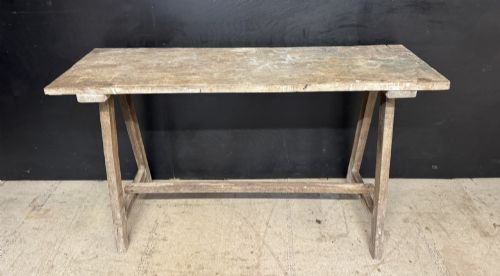
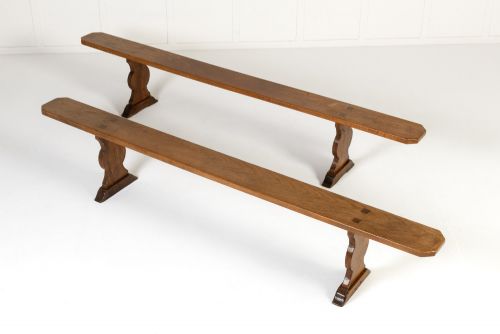
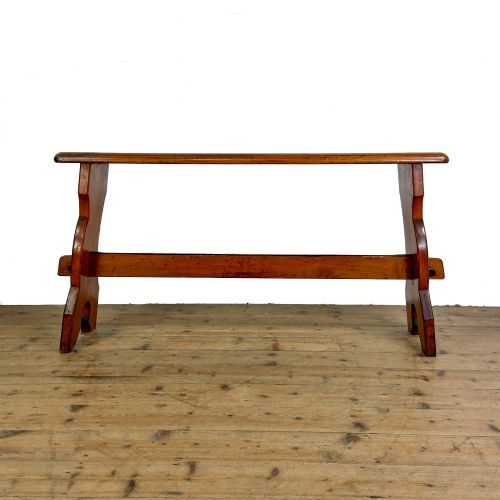
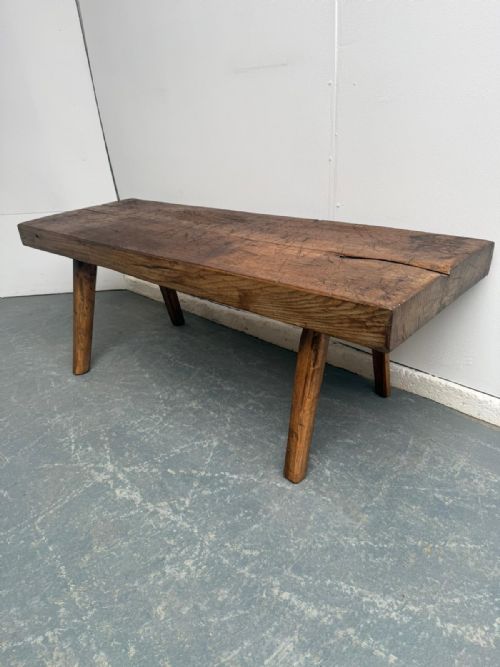
A vintage narrow bench search brings up functional nineteenth-century forms designed for specific domestic and agricultural tasks. These survivors include oak pig benches alongside hall benches and organ benches, shaped by utilitarian workshop and rural needs.
The versions most commonly met on this page span the Victorian era and the late nineteenth century, reflecting French provincial and Hungarian rustic traditions. Their elongated, slim proportions suit modern interior spaces where depth is at a premium.
How they were made
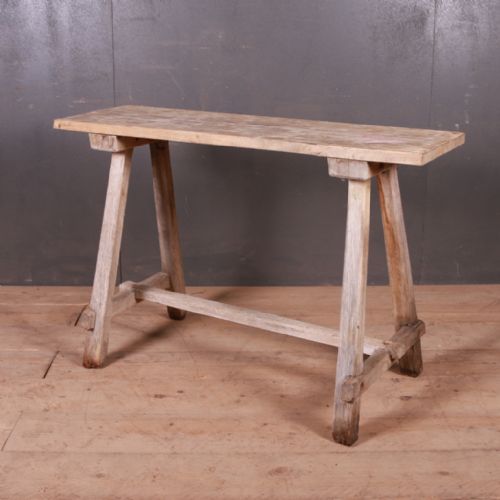
Constructed from solid timbers such as oak, pine, sycamore, elm and general hardwood, these pieces rely on straightforward joinery suited to heavy daily use. Scrubbed surfaces show the natural grain of the wood rather than applied synthetic finishes.
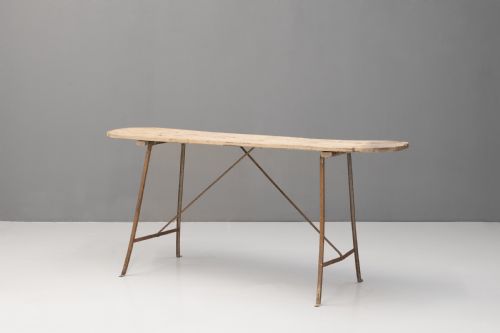
Metalwork appears in the form of wrought iron structural elements, adding rigidity and functional strength to the wooden frames. Every joint and surface bears the marks of manual construction rather than automated industrial output.
Vintage Narrow Bench Retail Price Guide 2026
Typical asking prices for vintage narrow bench among the pieces listed under this phrase on Sellingantiques today, from the lower quarter to the upper quarter. They describe what is for sale here now, not the wider market.
Some nineteenth-century pig benches have traded their agricultural duties for a quiet retirement holding coffee cups.
What varies in quality
Quality rests in the integrity of the original timber and the depth of natural patination accumulated through generations of use. Honest surface wear tells a clear story of age, whereas heavy modern intervention diminishes the character of the piece.
Proportion and structural balance separate standard utilitarian items from finer examples of regional country furniture. The retention of original fixings and untreated scrubbed finishes marks the higher tier of these provincial survivals.
The Vintage Narrow Bench Glossary
- Scrubbed pine
- Timber surfaces cleaned repeatedly with water and a stiff brush to remove grease and paint. This process leaves a pale, matte finish that highlights the natural grain.
- Trestle table
- A table or bench structure supported by two or more upright frames connected by a horizontal beam. This design provides maximum legroom along the length of the piece.
- Pig bench
- A low, narrow wooden bench originating from rural agricultural holdings. These heavy hardwood items now find a second life as low coffee tables or slim display surfaces.
- French provincial
- Furniture styles originating from regional workshops outside Paris during the nineteenth century. These pieces combine simple rustic construction with refined local proportions.
Vintage Narrow Bench: Frequently Asked Questions
Where do I put a narrow bench?
These slender proportions fit naturally into narrow hallways, tight entryways, or positioned against living room walls.
They also serve well behind sofas or as low display platforms without blocking movement through a room.
How do I clean scrubbed timber?
Maintain scrubbed pine and hardwood surfaces with a dry or lightly damp cloth to remove everyday dust.
Avoid heavy commercial polishes or oils that seal the porous grain and alter the dry, pale finish.
Are these benches sturdy enough to sit on?
Solid hardwood and heavy oak construction means many of these pieces retain their original functional strength.
Check the specific proportions and lower framing to confirm whether a piece is suited for seating or better used as a display table.
What does scrubbed mean?
Scrubbed refers to a timber surface cleaned down to the raw grain through traditional washing methods.
This technique strips away old paint layers and dark varnishes to reveal the pale, natural character of the wood.