



Vintage Music Box
A vintage music box brings mechanical melody into a room, offering tactile metal cylinders and discs that play traditional tunes.
Vintage Music Box
A vintage music box encompasses traditional Swiss cylinder mechanisms, tabletop disc players, and intricate singing bird automatons housed in wood. When searching for a vintage music box, buyers frequently encounter Victorian walnut and rosewood cases alongside Edwardian mahogany cabinets and Swiss folk art items.
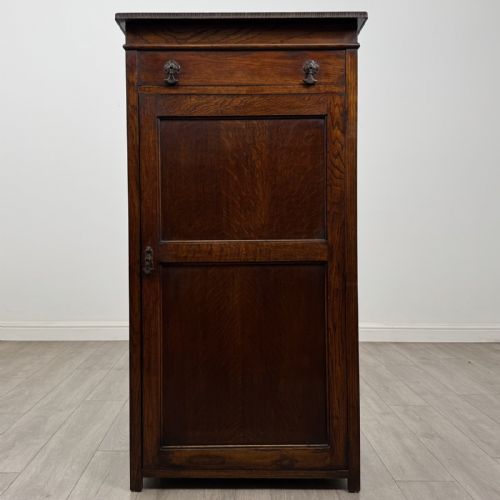
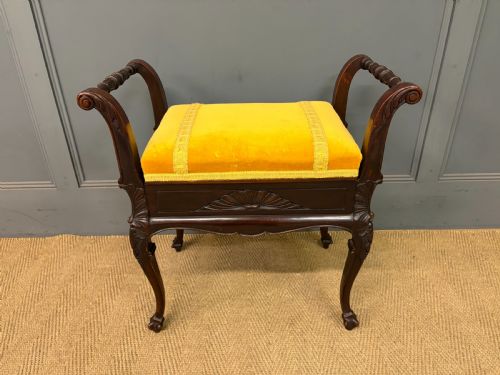
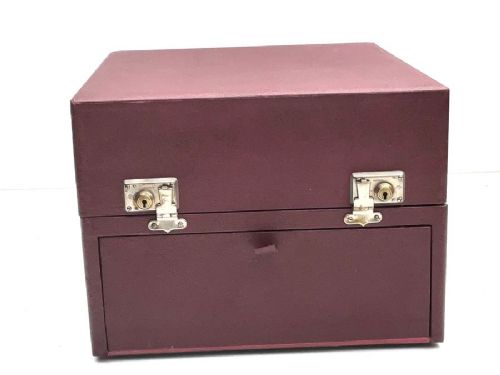
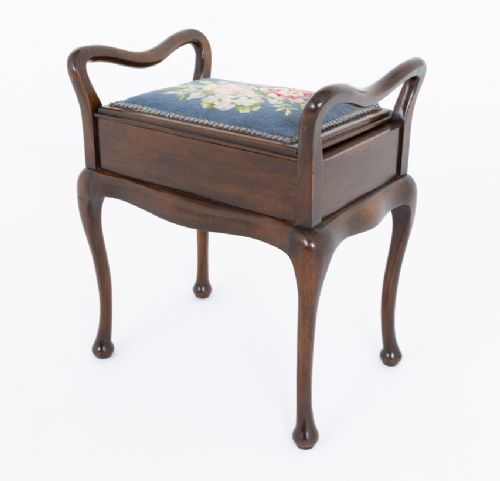
The selection extends beyond standard rectangular boxes to include specialised furniture such as music cabinets, Canterbury stools, and piano stools designed to store scores alongside the instruments. Many examples originate from Swiss workshops and British drawing rooms spanning the nineteenth and early twentieth centuries.
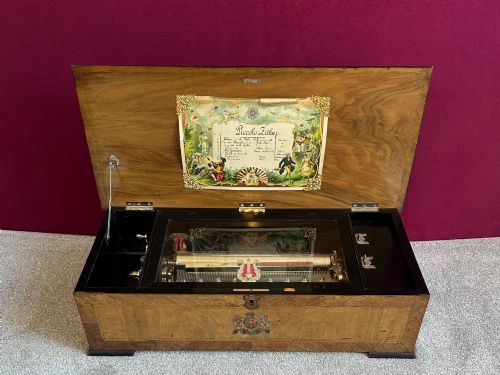
Cylinder boxes dominate the offerings, often featuring interchangeable airs, visible bells, or mandolin attachments driven by pinned metal cylinders. Disc players such as the Polyphon introduce larger formats that utilise perforated metal discs to produce richer acoustic volume.
Materials and Construction
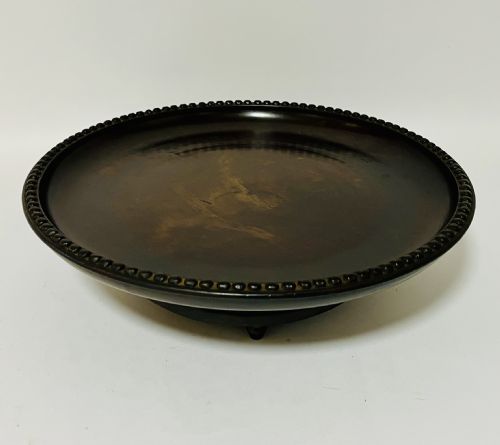
Cases utilise dense hardwoods like walnut, mahogany, rosewood, and ebonised wood, frequently decorated with marquetry inlay, glass panels, and brass handles. Internal movements rely on precision steel combs and brass cylinders or discs, engineered to pluck tuned notes with mathematical exactness.
Mechanical components incorporate brass gear trains, spring motors wound by keys or levers, and delicate steel teeth tuned by hand filing. Specialised pieces integrate fabric upholstery on piano stools or delicate porcelain figures alongside the musical apparatus.
Vintage Music Box Retail Price Guide 2026
Typical asking prices for vintage music box among the pieces listed under this phrase on Sellingantiques today, from the lower quarter to the upper quarter. They describe what is for sale here now, not the wider market.
Black Forest singing birds pop out of miniature gilded cages to sing mechanical melodies.
Distinctions in Execution
Quality separates standard mass-produced items from masterworks by renowned makers through the sonic clarity of the comb and the complexity of the arrangement. Superior examples feature multiple airs, bells in view, or automated elements like singing birds with realistic featherwork.
Cabinetwork quality marks the division between utilitarian pieces and high-status furnishings, visible in the selection of burr walnut veneers, precise boxwood stringing, and robust dovetail joints. The integrity of the acoustic resonance depends directly on the tightness of the wooden case and the secure mounting of the brass bedplate.
Karl Griesbaum·Langdorff And Fils·Lochmanns·Nicole Freres·B A Bremond·LeCoultre
The Vintage Music Box Glossary
- Cylinder
- A pinned metal barrel that rotates against a steel comb to pluck specific notes. Each pin placement dictates the sequence of the musical air.
- Air
- A distinct tune or musical piece played by the mechanism during one rotation of the cylinder. Boxes are often described by their total number of recorded airs.
- Comb
- A flat piece of tuned steel with multiple teeth that vibrate when struck by cylinder pins. The length and thickness of each tooth determine its pitch.
- Polyphon
- A large mechanical music player that utilises interchangeable perforated metal discs instead of pinned cylinders. These machines produce greater volume and allow simple disc swapping.
- Canterbury
- A partitioned wooden stand originally designed for holding sheet music and folios. Examples often incorporate lower drawers and carrying handles.
Vintage Music Box: Frequently Asked Questions
How do I wind a cylinder music box?
Most pieces utilise a fixed winding lever or a separate removable key inserted into the side or base of the wooden case. Turn the mechanism steadily until resistance is felt, avoiding over-winding to protect the internal spring motor.
Once wound, release the stop-start lever to allow the governor to regulate the speed as the cylinder rotates against the steel comb.
How should I care for a vintage wooden case?
Keep the wood away from direct sunlight and strong temperature fluctuations to prevent veneer cracking or warping. Dust the exterior gently with a dry, soft cloth and avoid liquid polishes that might damage antique French polish or wax finishes.
Ensure the internal mechanical parts remain dry and free from household oils or lubricants.
Can missing tunes be replaced on a cylinder?
Repairing broken teeth on a steel comb or repinning a damaged cylinder requires specialist horological restoration. Each tooth must be custom-cut, tempered, and tuned to match the exact acoustic profile of the original comb.
Intervention should be undertaken solely by experienced professionals to preserve the instrument's tonal integrity.