

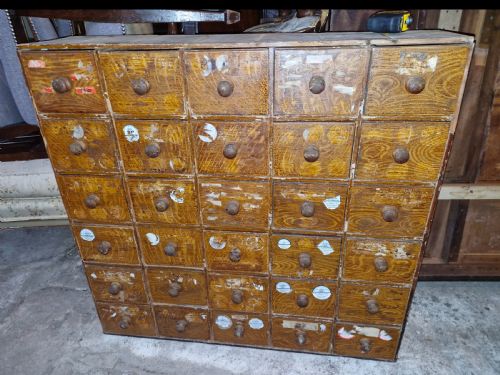


Vintage Multi Drawer Cabinet
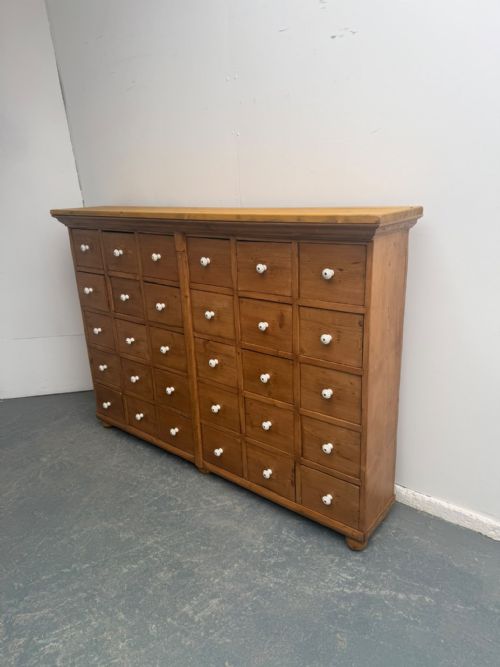
These vintage multi drawer cabinet pieces offer utilitarian storage across numerous banks of small compartments, bringing tactile organisation to modern spaces.
Vintage Multi Drawer Cabinet
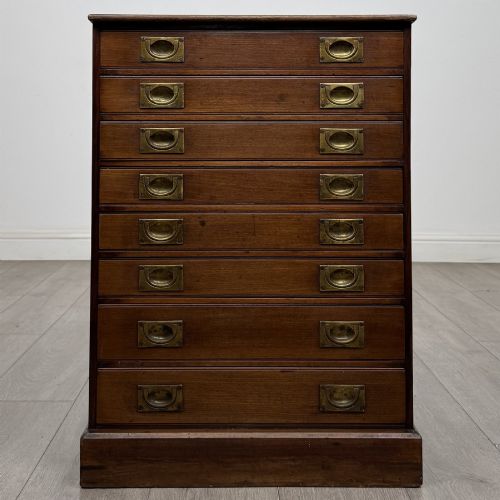
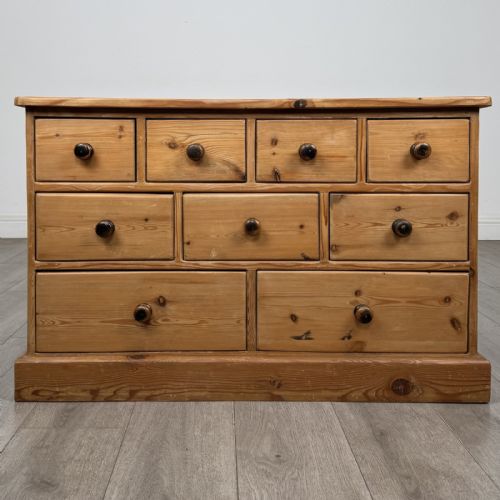
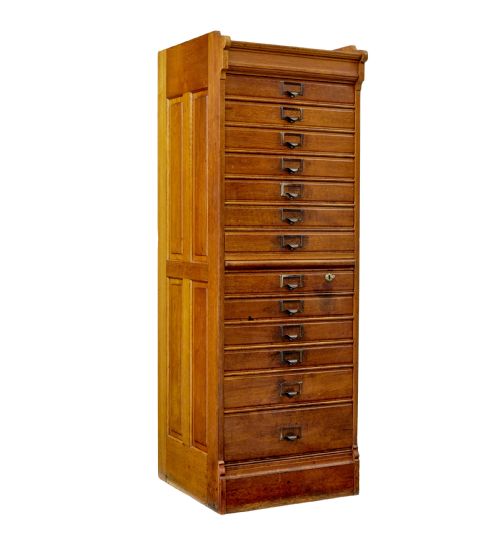
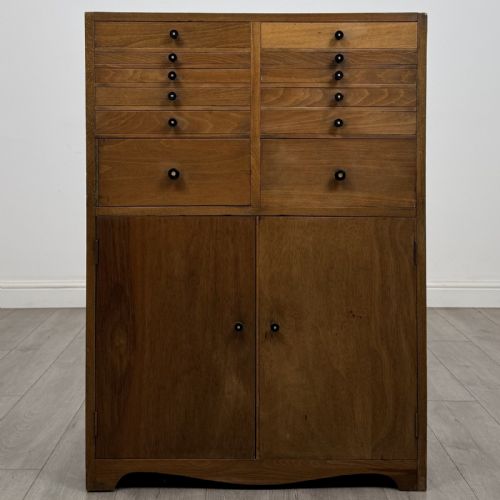
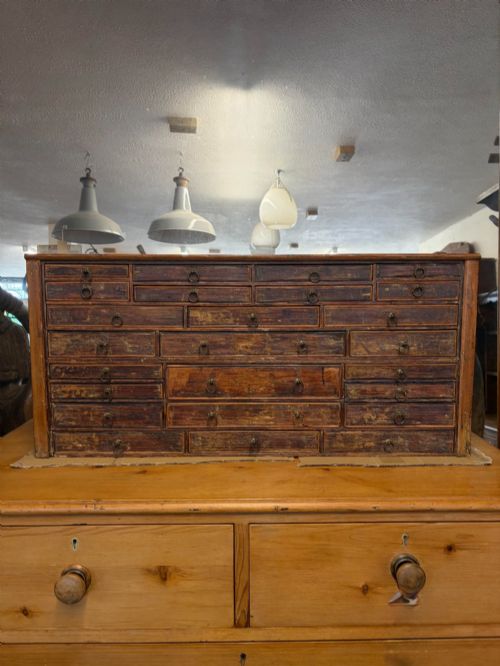
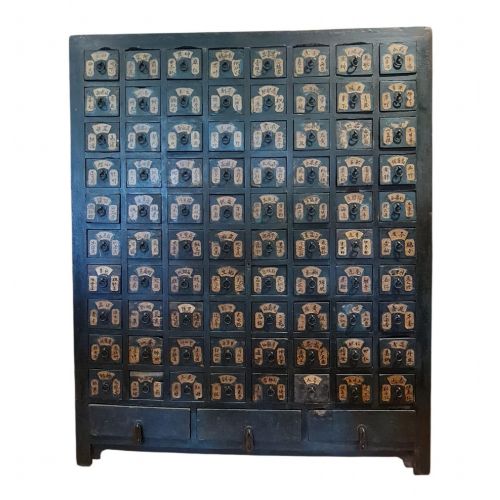
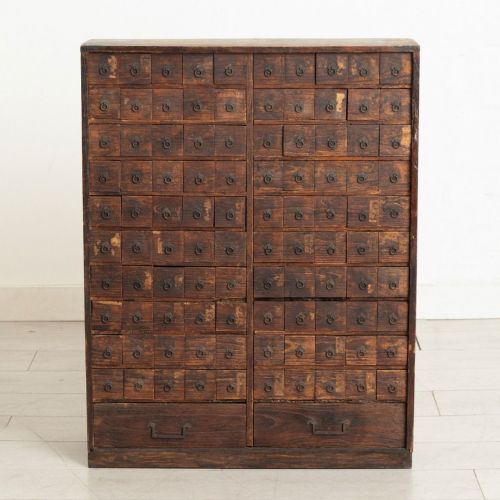
A vintage multi drawer cabinet spans heavy shop fittings, apothecary chests and office filing units from the nineteenth and early twentieth centuries. Buyers seeking a vintage multi drawer cabinet encounter robust banks of drawers originating from English, French, Hungarian and Chinese workshops.
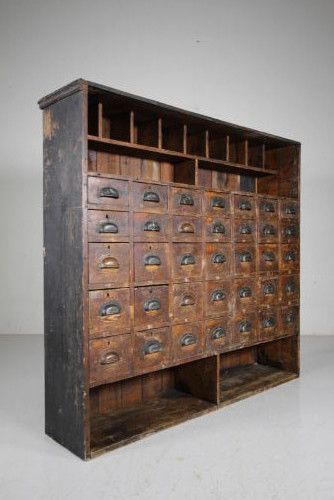
The configurations range widely in scale, from compact jewellers chests and letter files to vast shop counters holding dozens of small compartments. Most pieces emerge from commercial, industrial or retail environments where systematic sorting was essential.
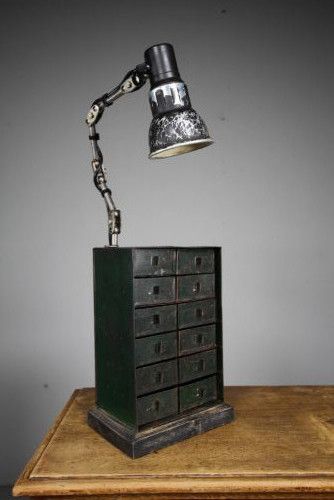
Materials span native timbers like oak, pine and mahogany alongside structural iron and steel, reflecting the heavy-duty service for which these cabinets were built. Form follows function strictly, resulting in modular facades dominated by rows of timber or metal pulls.
Materials and Construction
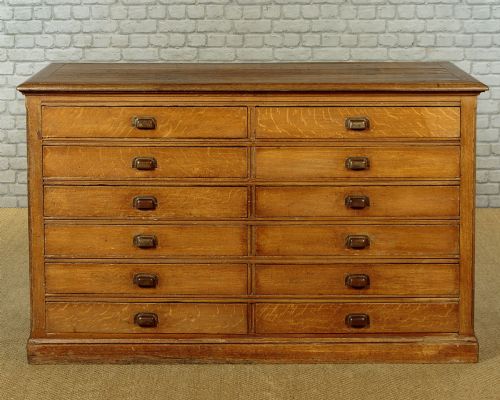
Construction relies heavily on solid hardwoods like oak, mahogany and elm, paired with sturdy pine carcases designed to withstand decades of commercial use. Dovetail joints typically secure the individual drawer boxes, ensuring the robust durability required for daily pulling and pushing.
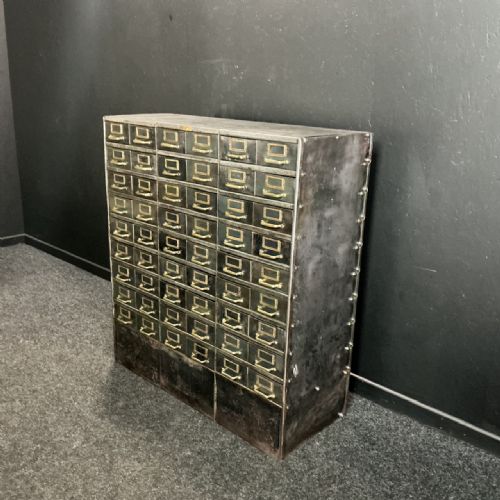
Metal hardware plays a central role, featuring brass cup handles, iron pulls and steel framing that reinforce the wooden structures. Many pieces retain original painted surfaces, from cream shop fittings to black and gold draper shop finishes, alongside patent letter file mechanisms.
Vintage Multi Drawer Cabinet Retail Price Guide 2026
Typical asking prices for vintage multi drawer cabinet among the pieces listed under this phrase on Sellingantiques today, from the lower quarter to the upper quarter. They describe what is for sale here now, not the wider market.
Recorded forms include apothecary chests, haberdashery units, shop counters and patent letter files.
Assessing Quality
Quality rests upon the scale and complexity of the compartmentalisation, where pieces boasting upwards of twenty or eighty drawers demonstrate superior commercial ambition. The integrity of the original cabinetry, including untouched timber patination and retained factory hardware, elevates certain examples above standard utility furniture.
Provenance and specialised manufacture distinguish the finest pieces, such as branded office filing systems by known makers or substantial shop counters sourced from provincial firms. The harmonious balance between utilitarian heaviness and refined joinery defines the upper tier of these storage chests.
Amberg·Shannon
The Vintage Multi Drawer Cabinet Glossary
- Haberdashery cabinet
- A glass-fronted or multi-drawer storage unit originally utilised in drapery shops to organise small sewing goods and ribbons. These pieces often feature numerous shallow drawers designed for clear display.
- Apothecary chest
- A traditional multi-drawer unit housing dried herbs, medicines and botanical ingredients in small separate compartments. They frequently appear with numerous small pulls and handwritten labels.
- Filing chest
- An office storage unit engineered with sliding drawers sized specifically for documents, letters or correspondence. Examples from this era often incorporate patent locking mechanisms or specialised index card dividers.
- Shop fitting
- Heavy commercial furniture built specifically for retail interiors, counters and merchant storage. These fixtures prioritise maximum capacity and robust display facades over domestic delicacy.
- Dovetail
- A traditional interlocking joint utilised at the corners of drawer boxes to provide exceptional tensile strength. This method keeps the timber secure under heavy loads and frequent handling.
Vintage Multi Drawer Cabinet: Frequently Asked Questions
What were multi drawer cabinets used for originally?
These cabinets served primarily in commercial, medical and administrative settings to sort small inventory, documents, and retail goods. Haberdashers, apothecaries and offices relied on them to keep extensive supplies orderly and accessible.
Over time, they transitioned from utilitarian workspace fixtures into popular decorative storage items for modern domestic interiors. Their numerous small compartments make them ideal for organising contemporary collections and stationery.
How do I date a vintage multi drawer cabinet?
Dating relies on examining construction methods, timber choices, and hardware styles across the piece. Victorian examples often display solid pine or mahogany with hand-cut dovetails and heavy brass or iron pulls.
Early twentieth century pieces introduce industrial steel components, patent filing mechanisms, and lighter oak or elm timbers. Maker marks and patent stamps stamped onto the woodwork or hardware provide definitive chronological markers.
How do I care for the original finish?
Maintaining the surface involves gentle cleaning with a soft, dry cloth to remove dust without disturbing the aged patination. Avoid harsh chemical cleaners that can strip original paint or vintage wax finishes.
Applying a traditional beeswax periodically helps nourish dry timber and protects the historic surface from environmental wear. Keeping the cabinets away from direct heat sources prevents the solid wood drawers from warping.