



Vintage Model Engine
These vintage model engines are mechanical feats in miniature, built to demonstrate power, traction, and scale engineering from past industrial eras.
Vintage Model Engine
A vintage model engine represents the ingenuity of historical mechanical design, spanning stationary power plants, locomotives, and demonstration apparatuses. These pieces capture the transition from nineteenth-century industrial engineering through interwar manufacturing.
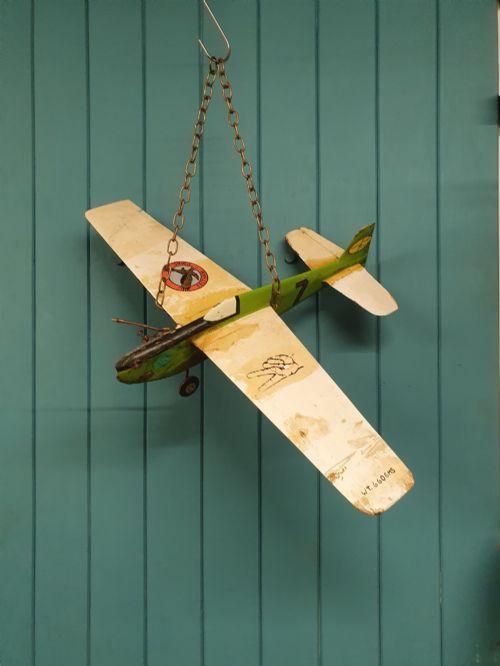
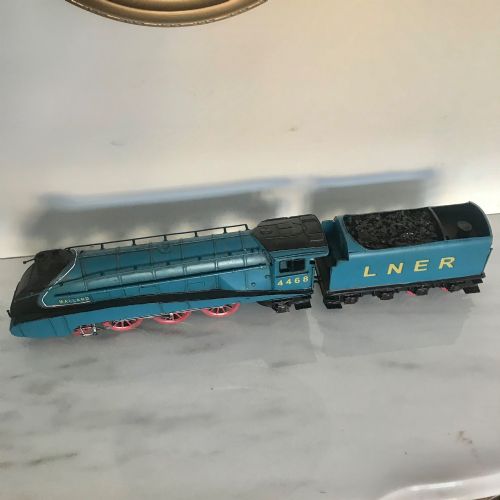
Most examples found here date from the late nineteenth century up to the 1930s, reflecting periods such as Victorian engineering, Art Deco, and Streamline Moderne. Forms range from vertical and horizontal stationary boilers to scratch-built locomotives and educational projection models.
Makers and manufacturers of the era utilised these models for both practical workplace demonstration and sophisticated desk display. Collectors encounter both factory-produced apparatuses and meticulous one-off scratch-built creations from dedicated hobbyists.
How they were made
Construction relies heavily on traditional metalworking techniques, utilising cast iron, brass, and steel for structural frames, boilers, and working cylinders. Artisans machined these durable metals by hand or lathe to ensure precise mechanical movement under steam or spirit power.
Surface finishes include painted metal, polished brass, and silver plating, often paired with wooden mounts or bases to anchor the heavier machinery. Educational and demonstration models frequently incorporated glass or specialised projection elements to show internal workings.
Vintage Model Engine Retail Price Guide 2026
Typical asking prices for vintage model engine among the pieces listed under this phrase on Sellingantiques today, from the lower quarter to the upper quarter. They describe what is for sale here now, not the wider market.
Some nineteenth-century makers built miniature engines specifically to project working shadows onto classroom walls.
What varies in quality
Quality rests in the precision of the engineering and the fidelity of the scale mechanical components. Superior pieces exhibit smooth linkages, tight joints, and functional integrity that demonstrate real thermodynamic principles rather than mere visual imitation.
The distinction between a factory-standard production piece and a bespoke scratch-built model defines the upper tier of the range. Original surface patination, maker signature plates, and complete operational mechanisms separate exceptional survivals from incomplete examples.
Max Kohl Germany·Merkelbach Co Amsterdam·Hoge New York
The Vintage Model Engine Glossary
- Stationary steam engine
- A self-contained power plant fixed in one location, designed to drive machinery or generate electricity via a piston and flywheel.
- Scratch built
- A model constructed entirely from raw materials and individual components by the maker, without the use of a commercial kit.
- Spirit fired
- A heating method utilising a small burner fueled by methylated spirits or alcohol to generate steam within a boiler.
- Beam engine
- An early configuration of steam engine where an overhead pivoting beam connects the piston rod to the crank.
- O gauge
- A standard scale for model railways, measuring thirty-two millimetres between the rails.
Vintage Model Engine: Frequently Asked Questions
Are these model engines still operational?
Many of these historical engines were built with working steam or spirit-fired systems designed to run under pressure. However, age and past use mean older boilers require professional inspection before any attempt at operation.
Buyers interested in running a model should verify the internal condition of the boiler and seals, as most pieces are collected today primarily for display and study.
How do I identify the date of an engine?
Dating relies on stylistic clues, engineering patents, maker marks, and the specific materials utilised in construction. Victorian pieces often feature heavy cast iron and brass, while 1930s examples incorporate Streamline Moderne or Art Deco influences.
Examining the manufacturing techniques, such as early machining marks or specific maker plaques, helps narrow down the decade of production.
What is the difference between stationary and locomotive engines?
Stationary engines are fixed power units designed to remain in one spot while driving external machinery via a belt or flywheel. Locomotives are mobile self-propelled units built to run on tracks.
Both types utilise steam power, but their mechanical layout and accompanying chassis reflect entirely different engineering applications.
How should I display a model engine?
These metal and brass models require a stable, dry environment away from high humidity to prevent oxidation of steel and tarnishing of brass components. Placing them on a sturdy wooden base or within a cabinet protects delicate linkages.
Regular light dusting with a soft brush keeps the finished surfaces clean without disturbing the historical patina.