

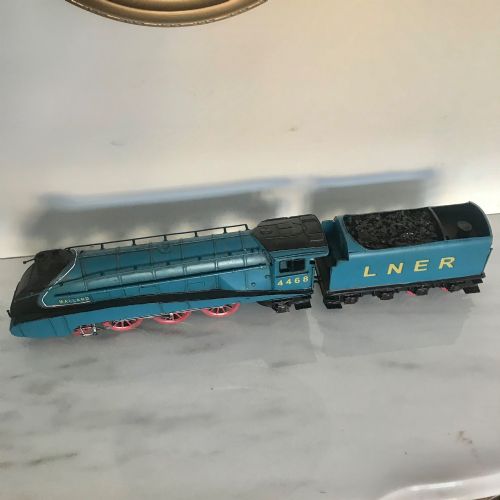


Model Steam Engine
A model steam engine is a working miniature of nineteenth and twentieth-century industrial power, prized for its mechanical ingenuity and historic engineering.
Model Steam Engine
A model steam engine represents a miniature version of historic power sources, spanning scale locomotives, traction engines, and stationary classroom apparatus. When searching for a model steam engine, a buyer encounters everything from scratch-built horizontal beam engines to education models and spirit-fired locomotives.
The pieces on offer draw on industrial styles ranging from Victorian engineering to interwar and Streamline Moderne designs. Traction engines and railway locomotives appear alongside vertical boilers and laboratory demonstration units built for optical projection.
Origins stretch from British makers to German scientific workshops, reflecting a diverse manufacturing landscape across the late nineteenth and early twentieth centuries. These working machines survive from periods including the eighteen-eighties, nineteen-hundreds, and nineteen-thirties.
How they were made
Construction relies heavily on metals such as brass, steel, cast iron, copper, and painted pressed steel, often mounted on wooden bases. Workshops combined turned brass components with heavy cast iron frames and steel boilers to withstand working steam pressure.
Demonstration models and educational apparatus incorporated delicate glass or projection elements alongside metalwork, whilst scratch-built locomotives and traction engines utilised hand-tooled components. Painted finishes and enamel colours frequently protected the metal and delineated structural parts.
Model Steam Engine Retail Price Guide 2026
Typical asking prices for model steam engine among the pieces listed under this phrase on Sellingantiques today, from the lower quarter to the upper quarter. They describe what is for sale here now, not the wider market.
Some nineteenth-century toy engines were nicknamed puddlers or dribblers because their spirited boiler runs often ended in puddles on the parlour floor.
What varies in quality
Quality rests upon the precision of the engineering, the fidelity of the scale proportions, and whether the construction is commercial or individual scratch-built work. Factory production by established scientific instrument makers shows disciplined standardisation, whereas bespoke pieces reveal the distinct hand of the machinist.
The integrity of surviving mechanical linkages, original paintwork, and maker markings separates standard production items from significant educational or exhibition pieces. Materials like heavy cast iron and finely turned brass maintain their mechanical action better over decades than lighter stamped components.
Max Kohl·Stuart Turner·Merkelbach & Co·Stevens Model Dockyard
The Model Steam Engine Glossary
- Stationary steam engine
- A fixed power source designed to drive machinery in a factory or workshop rather than propel a vehicle. These models feature vertical or horizontal cylinders and flywheels.
- Beam engine
- A stationary design where a pivoting overhead rocking beam connects the piston rod to the crankshaft. It is a hallmark of early industrial pumping and power generation.
- Traction engine
- A self-propelled steam vehicle designed to haul heavy loads on roads or work agricultural machinery. Miniature versions replicate the large rear drive wheels and canopy roofs of the full-sized originals.
- Demonstration model
- An apparatus built specifically for classroom teaching, lecture halls, or projection onto a screen. These pieces prioritise clear visibility of internal mechanical action over raw power.
- Scratch built
- An item constructed entirely by hand from raw materials rather than assembled from a commercial kit or factory parts. Such pieces often reflect the unique ingenuity of independent makers.
Model Steam Engine: Frequently Asked Questions
What is a live steam engine?
A live steam engine is a working model powered by actual steam generated from boiling water under pressure. These machines burn solid fuel, gas, or spirit to create the steam required to drive pistons and turn flywheels.
Collectors value these operational models for their ability to demonstrate the exact thermodynamic principles used in historical industrial machinery.
How do I identify a projection model?
Projection models were manufactured specifically to cast a shadow or image onto a screen during physics lectures and classroom demonstrations. They often feature compact arrangements of working parts designed to fit within the focal constraints of optical lanterns.
Maker signatures or institutional markings from scientific suppliers frequently appear on the brass bases or frames of these educational units.
What is the difference between a stationary engine and a locomotive?
Stationary engines are fixed units built to stay in one place while powering external machinery via belts or flywheels. Locomotives and traction engines are self-propelled vehicles designed to move under their own steam power along tracks or roads.
Both categories utilise similar boiler and cylinder mechanics, but their external chassis and drive train configurations differ entirely to suit their intended function.
Are these models safe to run?
Running historical steam models requires thorough technical inspection of boilers, safety valves, and seals to ensure they can safely contain pressure. Many collectors choose to display them as static mechanical sculptures rather than risking damage or operating vintage metalwork.
Consulting an experienced engineer is essential before attempting to fire any boiler dating from the Victorian or interwar periods.