



Vintage Miniature Chair
These vintage miniature chair examples range from silver novelty pin cushions to sturdy fruitwood child-size seating crafted across several centuries.
Vintage Miniature Chair
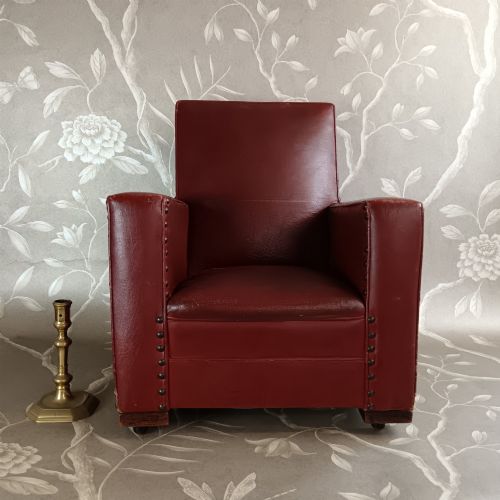
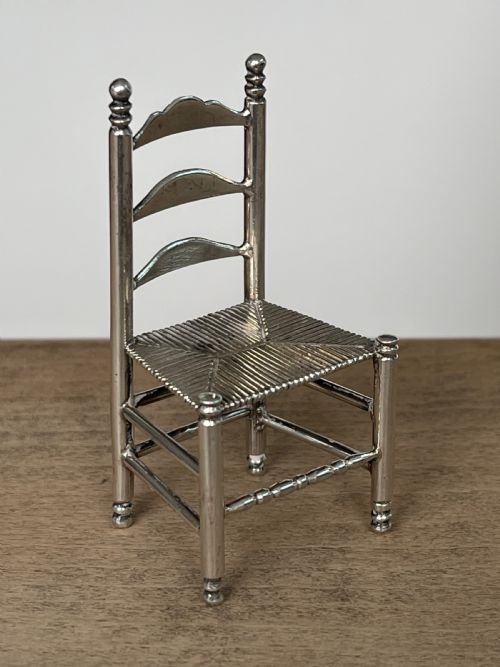
A vintage miniature chair encompasses small-scale seating objects, including child-size furniture and decorative silver novelties designed to sit on a desk or shelf. Pieces span from the 18th century through the early 20th century, drawing on Georgian, Victorian, Edwardian, and Art Deco design traditions.
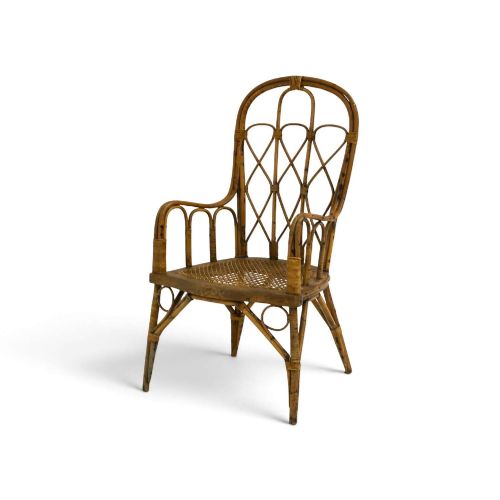
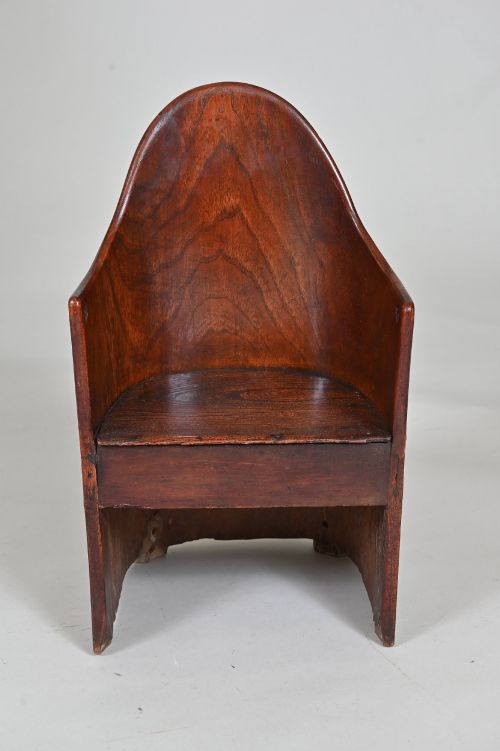
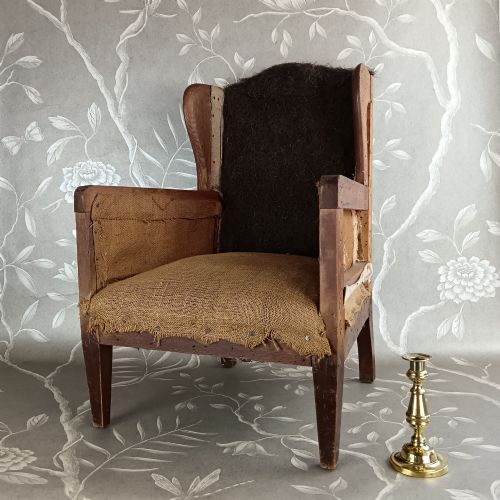
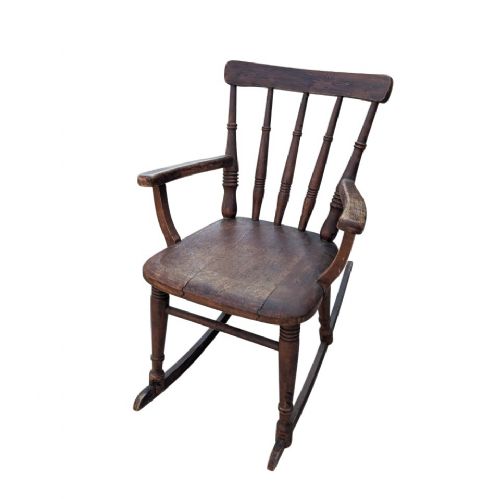
The selection frequently includes small Windsor chairs, rocking chairs, and armchairs rendered in wood, along with miniature silver or porcelain seating forms functioning as pin cushions or dolls house furnishings.
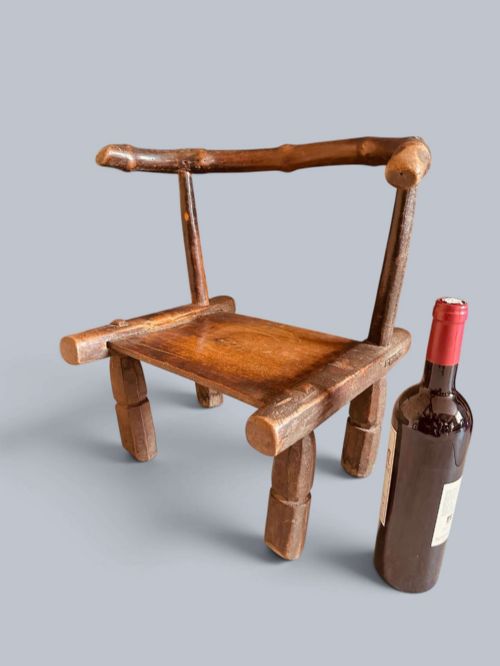
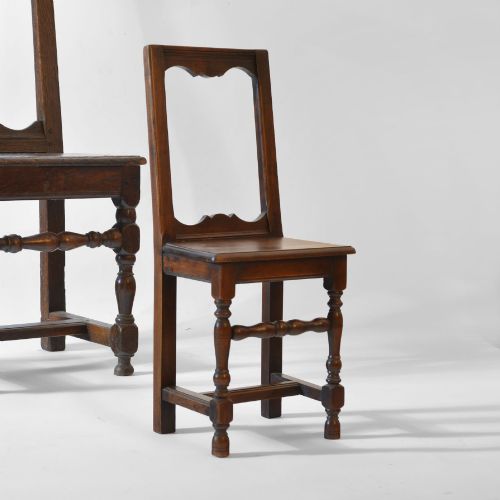
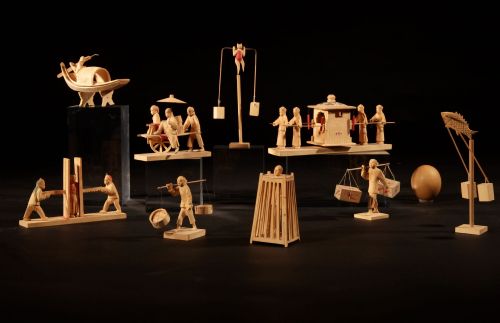
Makers drew on diverse regional styles, ranging from English country vernacular and French fruitwood furniture to Dutch silver work and Chinese wood carvings.
How they were made
Construction relies heavily on traditional cabinet timbers such as mahogany, walnut, oak, elm, fruitwood, and beech, often shaped into solid frames or bentwood forms.
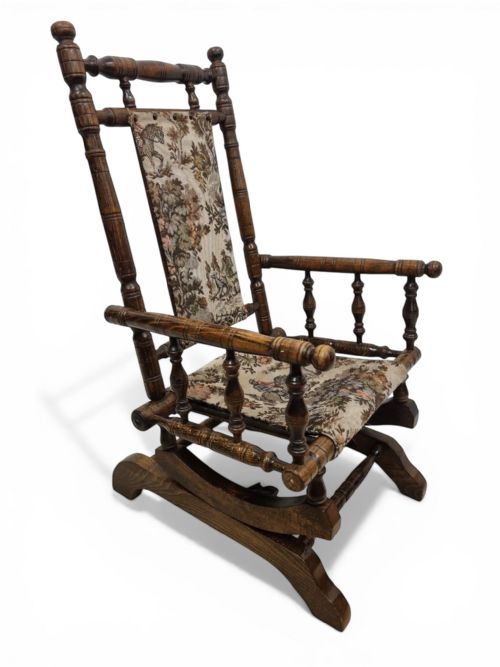
Upholstered versions incorporate fabric, tapestry, leather, or cane inserts for seats and backs, while metal examples utilise sterling silver shaped into intricate miniature furniture forms.
Vintage Miniature Chair Retail Price Guide 2026
Typical asking prices for vintage miniature chair among the pieces listed under this phrase on Sellingantiques today, from the lower quarter to the upper quarter. They describe what is for sale here now, not the wider market.
Materials represented include sterling silver, porcelain, walnut, mahogany, oak, elm, beech, fruitwood, leather, fabric, and cane.
What varies in quality
Quality rests on the fidelity of the miniature scaling, the crispness of carved details in wood or cast elements in silver, and the structural integrity of joints in small timber frames.
Materials also dictate distinction, separating standard vernacular wood pieces from finely inlaid mahogany revival chairs or hallmarked silver novelties.
The Vintage Miniature Chair Glossary
- Bergere chair
- An enclosed upholstered armchair with a wooden frame and cane panels on the back and sides. This form appears in nineteenth century child-size seating.
- Pin cushion
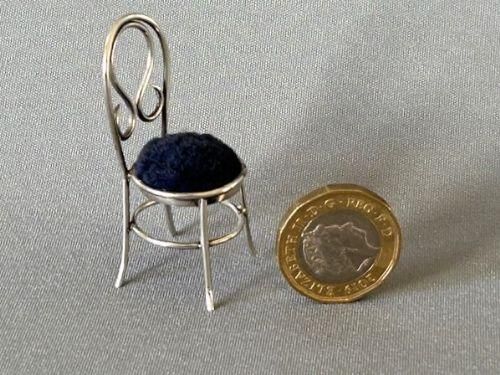
- A small pad used for holding pins, occasionally formed into the shape of a miniature salon chair using sterling silver.
- Windsor chair
- A wooden chair constructed with upright spindles inserted into a solid sculpted seat. These appear in miniature and child-size proportions.
- Fruitwood
- Timber sourced from fruit-bearing trees such as pear or apple, commonly utilised for country-made chairs and regional European furniture.
- Bentwood
- Wood heated and bent into curved structural shapes without joints. This technique produced lightweight chairs popular in the early twentieth century.
Vintage Miniature Chair: Frequently Asked Questions
Are these miniature chairs meant for dolls?
Many smaller items function as dollhouse furnishings or decorative novelties like silver pin cushions, while larger examples were built as actual child-size seating.
The scale determines the original purpose, distinguishing cabinet curiosities from functional children's furniture.
What woods are typical for these chairs?
Common timbers include mahogany, walnut, oak, elm, beech, and fruitwood. Makers selected these for durability and grain appearance in smaller scales.
Softer fruitwoods often indicate regional European workshop origins.
How do I identify the period?
Dating relies on stylistic revival cues, such as Georgian or Queen Anne revival lines, alongside construction methods and materials recorded across the nineteenth and early twentieth centuries.
Silver pieces frequently carry hallmarks to verify exact years.
Did children actually use these?
Child-size Windsor chairs, rocking chairs, and armchairs were built for everyday use by children in domestic settings during the nineteenth and early twentieth centuries.
Other items like silver sedan chairs and porcelain armchairs served purely decorative or novelty functions.