





Vintage Middle Eastern Brass
Vintage middle eastern brass pieces bring heavy metalwork, intricate piercing, and detailed engraving directly into your home.

Vintage Middle Eastern Brass
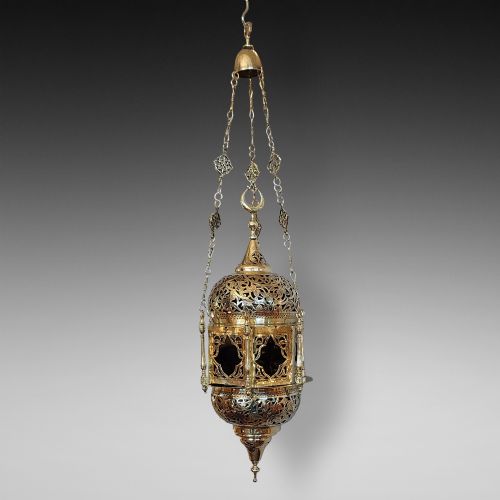
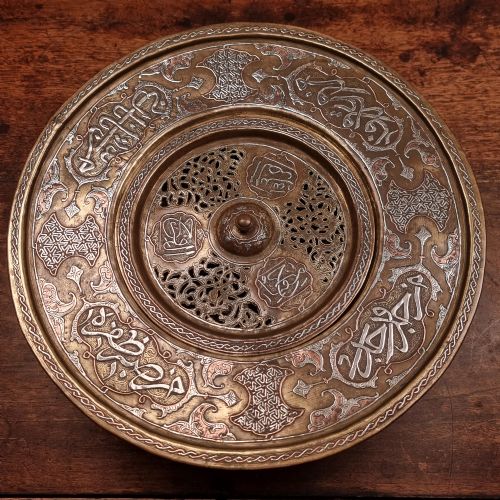
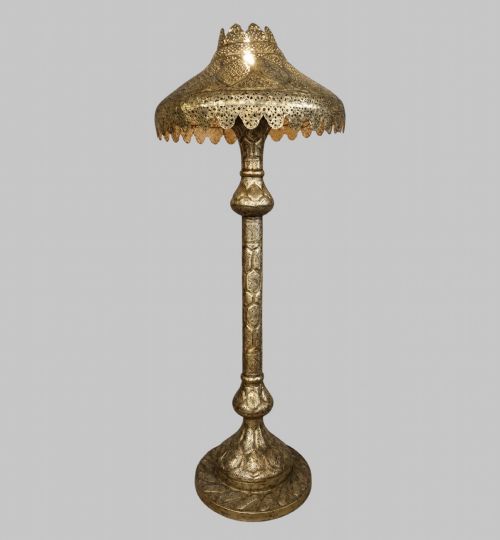
Vintage middle eastern brass objects encompass a diverse range of items, from large floor lamps and hanging lanterns to folding coffee tables and decorative bowls. You will frequently encounter items displaying Mamluk Revival, Moorish, and Persian influences among these listings.
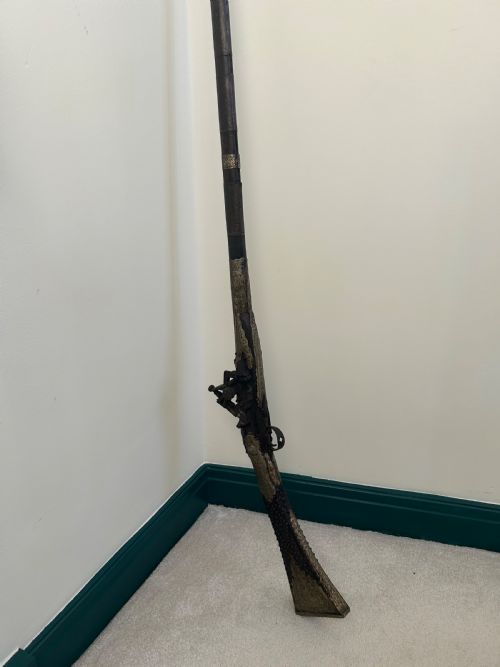
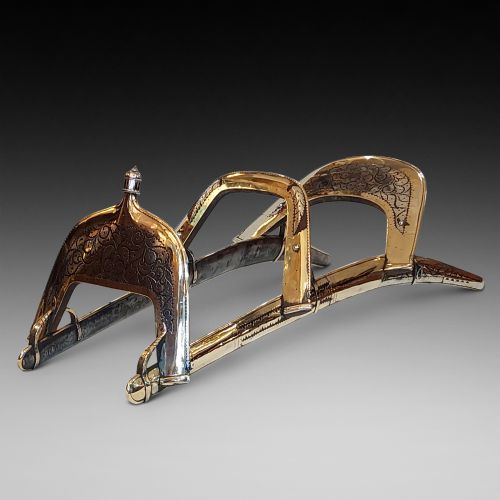
Functional items such as coffee pots, candlesticks, and basins sit alongside decorative plates, trays, and occasional tables. The selection also includes diverse artefacts like ceremonial camel saddles, tissue boxes, and antique firearms.
Pieces span various decades, originating predominantly from the nineteenth and early twentieth centuries. This variety provides a broad spectrum of forms that suit both practical use and decorative display.
How they were made
Construction relies heavily on brass and copper, frequently enhanced through hammering, embossing, and piercing techniques. Artisans also utilised silver inlay and mixed metal applications to create intricate patterns across the surfaces.
Certain items incorporate additional materials such as wood, hardwood, iron, and glass to complete their structures. Patinated copper finishes and hand-engraved details demonstrate traditional metalworking methods.
Vintage Middle Eastern Brass Retail Price Guide 2026
Typical asking prices for vintage middle eastern brass among the pieces listed under this phrase on Sellingantiques today, from the lower quarter to the upper quarter. They describe what is for sale here now, not the wider market.
Listings feature items spanning the nineteenth century through the 1930s, incorporating materials such as brass, copper, silver, and hardwood.
What varies in quality
Quality separates through the depth and precision of the hand-engraving, piercing, and silver inlay work. Superior examples exhibit sharp, consistent detailing and secure joints on folding furniture rather than shallow or rushed execution.
The choice of materials and the preservation of the original patination dictate the visual impact of each piece. Heavier gauge metal and well-integrated mixed metal elements denote superior craftsmanship across vessels and tables.
The Vintage Middle Eastern Brass Glossary
- Cairoware
- Metalware produced in Cairo, typically made of brass and inlaid with silver and copper. These pieces became popular during the nineteenth century for export to European markets.
- Khatamkari
- A Persian marquetry technique that involves intricate incrustation of wood, bone, and metal wire. This method decorates surfaces with delicate geometric mosaics.
- Patinated copper
- Copper that has developed a controlled surface tarnish over time through age or chemical treatment. This finish adds depth and highlights the underlying metal texture.
- Jezail
- A traditional type of matchlock or flintlock rifle used across the Middle East and Central Asia. They are distinguished by their heavily curved stocks and decorated barrels.
Vintage Middle Eastern Brass: Frequently Asked Questions
How do I clean vintage brass?
Dust regularly with a soft cloth to maintain the surface without disturbing the aged finish. Avoid abrasive polishes that strip away patination and intricate hand-engraved details.
Test any cleaning solution on a small, hidden area first. Preserve the dark recessed areas that highlight the engraved patterns.
Are these folding tables sturdy?
Most folding tables utilise traditional interlocking wooden bases that support heavy brass or copper trays. Ensure the wooden elements align correctly to maintain stability when in use.
Avoid placing excessive weight on the edges of folding tables. The hinges and folding mechanisms require gentle handling to prevent structural strain.
How do I date these items?
Dating relies on stylistic markers, construction methods, and materials recorded across the nineteenth and early twentieth centuries. Mamluk Revival and specific Islamic metalwork styles often point towards the nineteenth century.
Examine the fastenings, engraving tools used, and wear patterns for clues to the era of production. Combining these observations with known regional types helps narrow down the origin.